Wyoming ranches capture the essence of the American West: wide-open skies, rugged landscapes, and a way of life centered on land stewardship and livestock. Whether you’re exploring a working cattle ranch, scouting investment opportunities, or planning a guest-ranch getaway, understanding what makes Wyoming ranches unique helps you make better choices.
What to expect on a Wyoming ranch
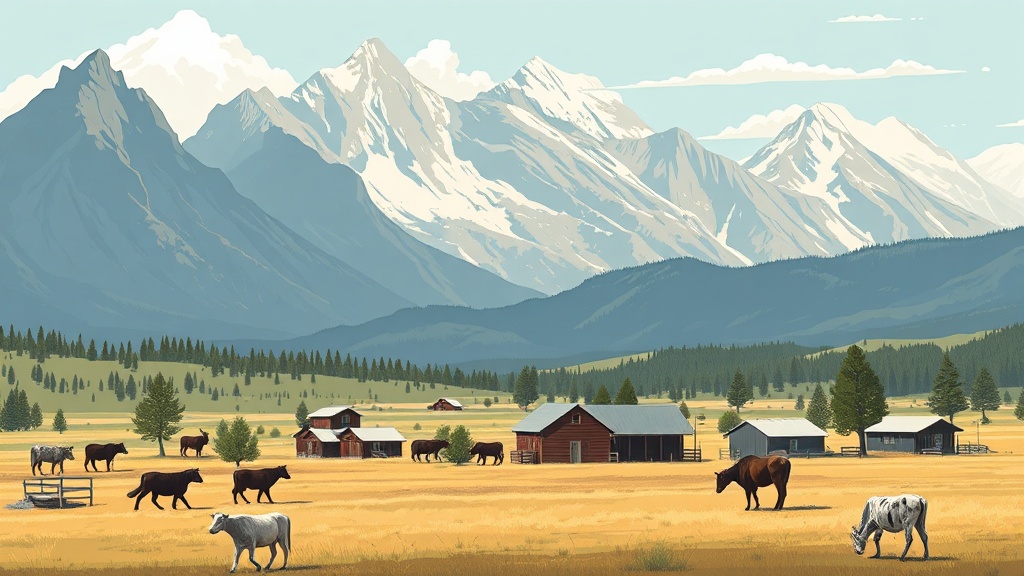
– Landscape variety: High plains, river valleys, mountain foothills, and sagebrush basins all appear across ranch properties. Elevation and terrain shape grazing options, water availability, and recreational access.
– Working operations: Many properties are active cattle or sheep operations with corrals, barns, hay fields, and handling facilities. Some combine recreation with ranching—offering fishing, hunting, horseback trails, and scenic retreats.
– Wildlife and natural values: Elk, mule deer, pronghorn, and abundant birdlife are common. Ranches often hold significant habitat value, which can create conservation and stewardship opportunities.
Key considerations for buyers
– Water rights and access: Water—from springs, creeks, irrigation ditches, or wells—is often the most critical asset. Confirm water allocations, historic use, and any adjudication or permit requirements tied to irrigation or livestock.
– Grazing and public land permits: Many ranches rely on nearby BLM or Forest Service allotments. Verify permit history, seasonal use, and range-condition assessments to understand yearly carrying capacity.
– Title, mineral rights, and easements: Clarify surface versus mineral ownership and look for conservation easements that limit development but may provide tax incentives. Access easements and road maintenance agreements are also essential in remote areas.
– Infrastructure and labor: Evaluate fences, water systems, hay storage, and handling facilities.
Consider the availability of seasonal help and the logistics of maintaining equipment in remote settings.
Sustainable ranching and conservation
Ranchers increasingly blend production with conservation practices—rotational grazing, riparian restoration, and habitat-enhancing fencing designs. Conservation easements and incentive programs can help protect open space while offsetting costs. Buyers interested in stewardship should consult local natural resource professionals and land trusts to align production goals with wildlife and watershed health.
Guest ranches and recreational stays
Guest or “dude” ranches offer immersive western experiences: guided trail rides, cattle sorting, fly fishing, and backcountry adventures.
These operations can provide supplemental income and maintain working-ranch authenticity. If considering a guest-ranch business, evaluate zoning, lodging capacity, marketing reach, and liability coverage.
Financing and management tips
Financing ranch acquisitions often involves lenders experienced with agricultural properties—terms can hinge on property cash flow, water rights, and grazing revenue. Estate planning is also a common consideration for multigenerational ranches; clear succession plans help preserve operations and family legacy. For absentee owners, reputable on-the-ground managers keep operations running smoothly.
Visiting and buying advice
Spend time on the ground: ride the pastures, meet neighbors, and observe seasonal patterns like spring runoff and winter snowpack. Local brokers, county extension agents, and conservation groups are valuable sources of regional intelligence.
Wyoming ranches offer a rare combination of productive land, unmatched scenery, and cultural heritage. Whether you’re drawn to a working cattle operation, a conservation-minded property, or a hospitality-focused guest ranch, careful due diligence and local expertise turn ambition into a sustainable ranching reality.
Consider partnering with local professionals to navigate water rights, grazing permits, and property management so your investment aligns with both your lifestyle and the land’s long-term health.