Utah’s Balance: Outdoor Adventure, Water Challenges, and a Thriving Tech Scene
Utah is a study in contrasts — dramatic red-rock canyons and alpine peaks, booming tech corridors and small-town hospitality. For anyone curious about travel, lifestyle, or investment opportunities, understanding the state’s interplay between recreation, environment, and growth is essential.
World-class outdoor experiences
Utah’s landscapes draw travelers from around the globe. The “Mighty Five” national parks showcase vastly different geology: soaring sandstone arches, deep river-carved canyons, hoodoo forests, and narrow slot canyons. Beyond the parks, destinations like Moab, Park City, and the Uintas offer mountain biking, world-class skiing, canyoneering, and river paddling.
Popular resorts consistently advertise some of the best snowfall and terrain variety, while desert riding and rock-climbing venues provide year-round options in many regions.
Visitors should plan ahead: many parks and popular trailheads use permit or reservation systems during peak periods, and trail conditions can change seasonally. Practicing Leave No Trace principles, carrying water and navigation tools, and checking local advisories for weather or fire closures improves safety and preserves the landscape.
Great Salt Lake: a conservation priority
The Great Salt Lake is both iconic and fragile. Its shrinking water levels have cascading effects on migratory bird habitats, the brine shrimp industry, and regional dust problems that affect air quality. This has elevated lake restoration and watershed management into top priorities for communities, conservation groups, and water managers. Strategies being emphasized include improving irrigation efficiency, restoring wetlands, and encouraging urban water conservation to protect the lake’s ecological and economic value.
Air quality and wildfire risks
Utah’s air quality can be affected by winter temperature inversions that trap pollutants in valleys, as well as summer wildfire smoke drifting from regional fires.
Residents and visitors should monitor local air quality indices, adjust outdoor activity during poor-air days, and support policies that reduce emissions and manage wildfire risk through fuels reduction and landscape resilience.
A growing economy and “Silicon Slopes”
A vibrant tech sector, often called “Silicon Slopes,” has expanded across the state, attracting startups and established companies alike. That growth brings job opportunities and innovation but also pressure on housing affordability, transportation, and infrastructure. Cities and counties are focusing on transit investments, infill development, and planning strategies that aim to balance growth with quality of life.
Smart travel and local culture
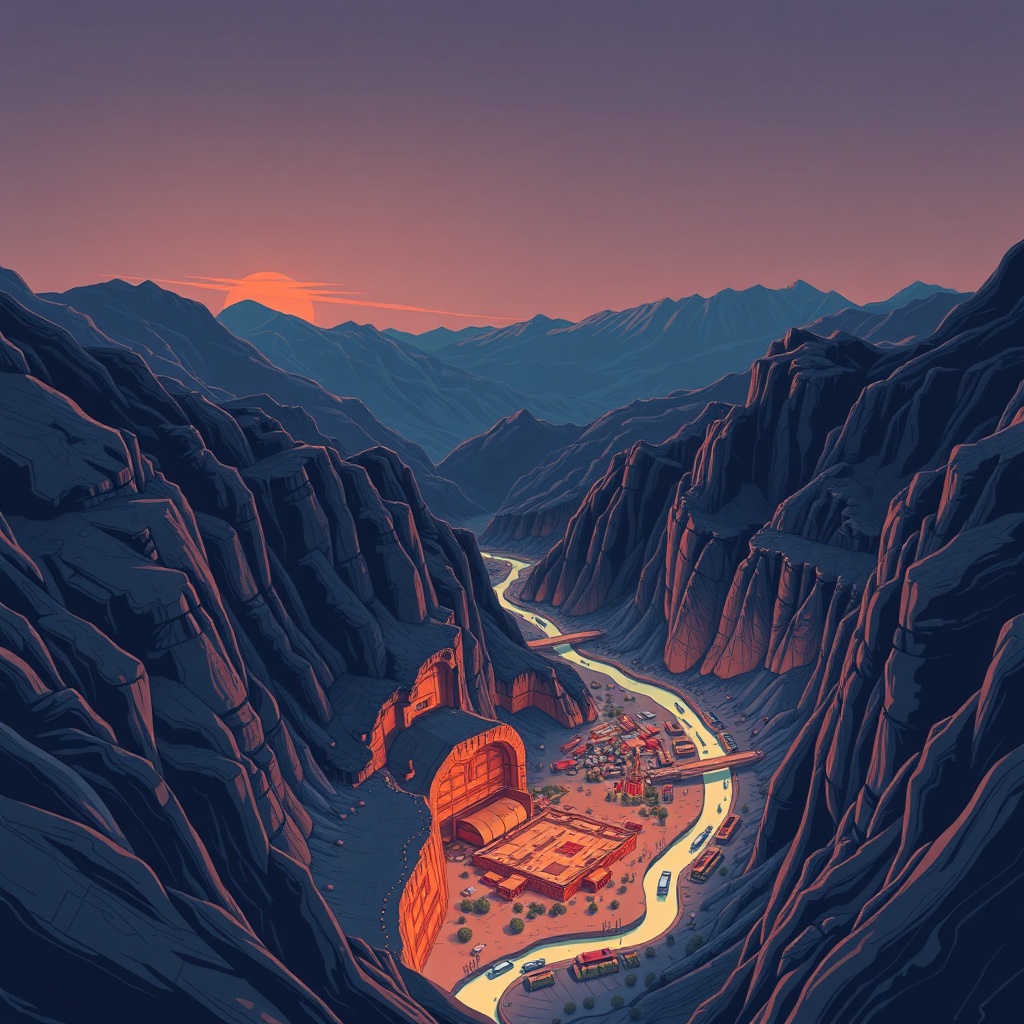
Salt Lake City is a cultural hub with diverse dining, arts institutions, and a compact downtown that serves as a gateway to nearby mountains.
Small towns across Utah retain a strong sense of community and offer gateway access to outdoor recreation with fewer crowds. Seasonal festivals, local farmers’ markets, and Indigenous cultural sites provide rich cultural context beyond natural attractions.
How to be a responsible visitor or resident
– Check official park and local government websites for permits, trail updates, and air quality alerts.
– Practice water-wise behavior: repair leaks, choose drought-tolerant landscaping, and follow outdoor water-use guidelines.
– Respect wildlife and habitats: stay on trails, dispose of waste properly, and limit disturbances to nesting or resting areas.
– Support local conservation groups and community planning efforts that promote sustainable growth.
Utah’s appeal comes from its ability to deliver big outdoor experiences and economic opportunity, but sustaining that balance requires informed visitors, engaged communities, and ongoing stewardship. Whether planning a weekend getaway or considering a longer move, keeping conservation and smart growth front of mind helps ensure Utah’s landscapes and communities thrive for years to come.