Mining Towns: Reinventing Legacy Communities for a Sustainable Future
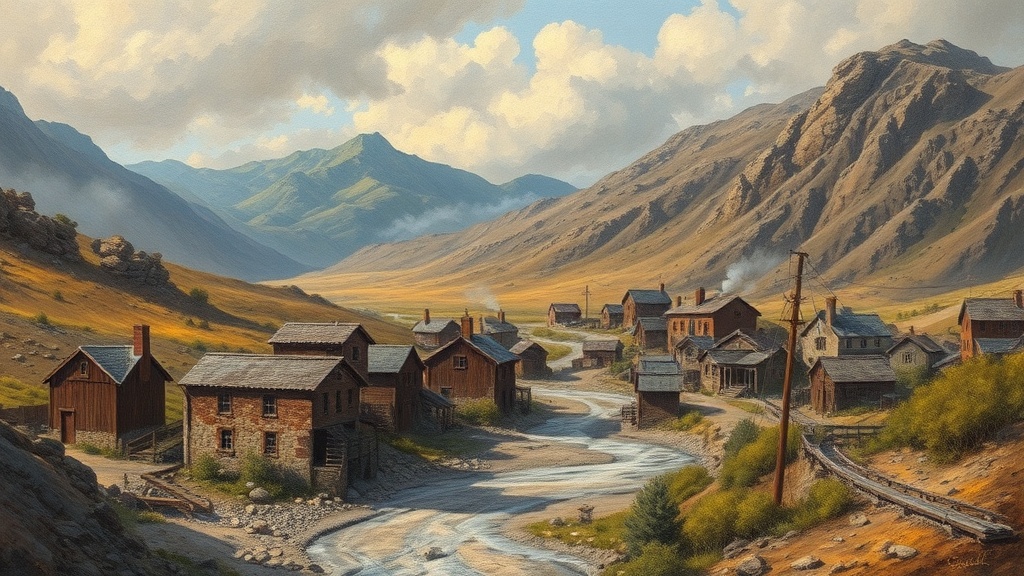
Mining towns carry a unique mix of grit, heritage, and untapped opportunity. Once-driven by extraction, many now face common challenges: population decline, environmental legacies, and the need to diversify local economies. At the same time, these places often boast dramatic landscapes, rich cultural stories, and infrastructure that can be repurposed. Thoughtful strategies can transform former extractive economies into vibrant, resilient communities.
Why mining towns matter
Mining towns shaped regional development, transportation networks, and cultural identity.
They are living archives of industrial innovation, immigrant labor histories, and community resilience. Preserving that legacy while addressing environmental and social impacts creates value for residents and visitors alike.
Key challenges
– Environmental contamination: Acid mine drainage, heavy metal runoff, and soil contamination can threaten water quality and public health.
– Structural hazards: Abandoned shafts, unstable tailings, and subsidence require ongoing monitoring and remediation.
– Economic transition: Local economies often depend on a single employer or commodity price cycles, making diversification critical.
– Cultural sensitivity: Many mining sites overlap with indigenous lands or contain contested histories that require inclusive stewardship.
Practical approaches to revitalization
– Heritage and experiential tourism: Restoring historic buildings, offering mine tours with safety controls, and creating museums or interpretive trails turns industrial history into an economic asset.
Authentic storytelling that includes worker experiences and indigenous perspectives deepens visitor engagement.
– Adaptive reuse: Former industrial facilities can become community centers, craft workshops, coworking spaces, or light manufacturing hubs. Reuse often costs less than demolition and preserves character.
– Outdoor recreation economies: Trails, climbing, mountain biking, and wildlife viewing are natural fits for mining-region topography.
Developing low-impact access and services—guiding, gear rental, lodging—generates new revenue while encouraging conservation.
– Green energy and remediation projects: Solar, wind, and pumped-storage projects can use former industrial footprints. Simultaneously, mine reclamation—capping tailings, phytoremediation, passive water treatment—reduces liabilities and creates jobs.
– Remote work and broadband: Robust internet enables remote workers to relocate, supporting local demand for housing, services, and cultural offerings. Incentives for telecommuters or creative professionals can kickstart population stabilization.
– Local entrepreneurship and skills transition: Training programs that translate mining skills to construction, environmental remediation, logistics, or renewable energy provide career pathways. Small-business support and microgrants nurture local services and artisans.
Environmental best practices
– Prioritize human and ecological health through rigorous site assessments and continuous monitoring.
– Employ a mix of engineered and natural solutions—water treatment wetlands, capping, revegetation—to stabilize sites.
– Engage universities, nonprofits, and agencies to access technical expertise and funding streams for remediation.
Community-first planning
Successful transitions are grounded in inclusive planning. That means early consultation with residents, indigenous communities, local businesses, and regulators.
Transparent timelines, realistic budgets, and clear safety measures build trust.
Creative placemaking—festivals, public art, and markets—helps rebrand places while honoring heritage.
What visitors and planners should look for
– Clear safety signage and closed-area enforcement around hazardous sites
– Interpretive centers or guided tours that contextualize mining history and its impacts
– Evidence of environmental work and habitat restoration
– Local businesses showcasing regional craft, food, and storytelling
Mining towns are at a crossroads: they can remain relics or become models for sustainable regeneration. With careful environmental stewardship, diversified economies, and community-led planning, these places can preserve their past while building healthier, more resilient futures.