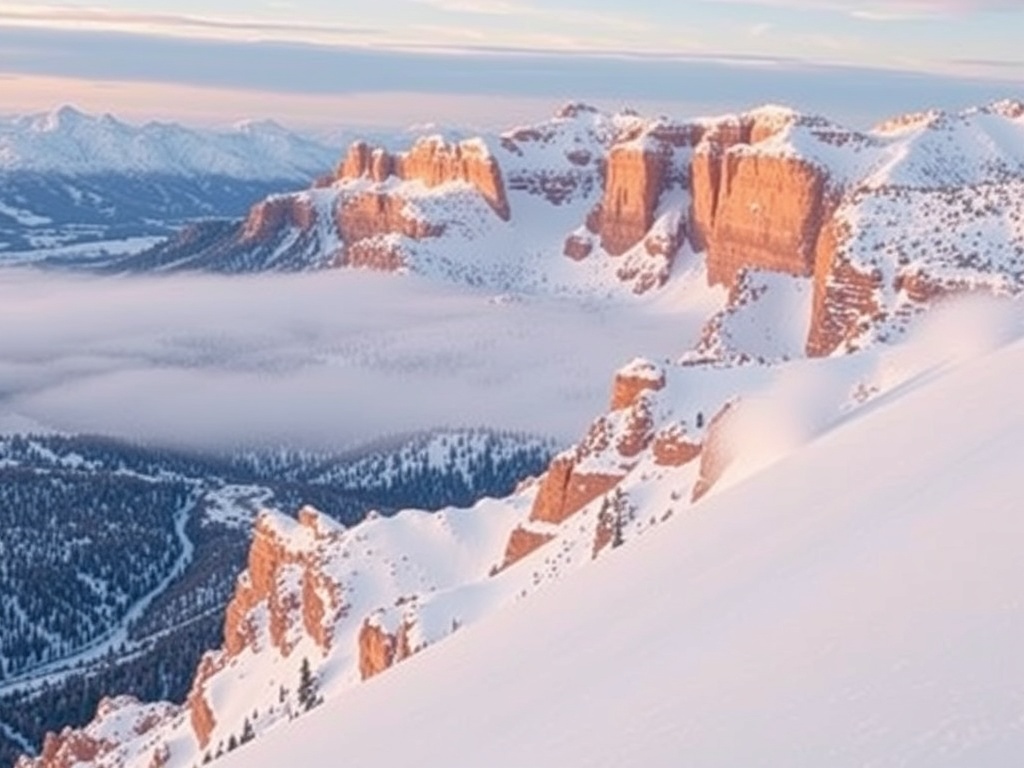
Utah skiing remains a top draw for riders and families seeking reliable snow, varied terrain, and convenient access from a major airport. The state’s high-elevation ranges produce the light, dry powder that skiers chase, and a mix of big-name resorts and quieter hills means there’s something for every ability and appetite.
What makes Utah special
– Powder quality: Frequent cold storms and a continental climate create that famously dry powder, ideal for soft landings and long turns. Many skiers refer to it as some of the best snow for a reason.
– Accessibility: Salt Lake City International Airport provides fast access to several resorts, making day trips and extended stays easier than in many mountain destinations.
– Terrain variety: From wide groomers and gentle learning areas to steep bowls, cliffs, and gladed trees, Utah resorts cater to beginners, park riders, and expert skiers alike.
Resorts to consider
– Park City: A large, varied resort with extensive terrain and a lively downtown packed with dining and nightlife. It’s a popular choice for mixed groups because of its breadth of runs and amenities.
– Deer Valley: Renowned for guest service, meticulously groomed runs, and a skier-only policy that appeals to those who prefer a quieter slope experience. Expect higher-end dining and refined lodging options.
– Alta and Snowbird: Located in the same canyon, these neighboring mountains are famous for deep snow and serious terrain.
Alta remains ski-only, while Snowbird is known for steep chutes, big snow totals, and a strong freeride culture.
– Brighton and Solitude: Smaller, less crowded resorts that offer great value and excellent terrain for intermediate and advanced skiers. Brighton is especially popular with locals.
– Smaller hills: Dozens of community-run and independent areas exist across the state, perfect for families, learners, and those seeking budget-friendly outings.
Planning tips for a better trip
– Buy lift tickets online and in advance: Most resorts offer discounted pre-purchase options. Midweek days tend to be quieter and cheaper than weekends and holidays.
– Consider multi-resort passes if you plan to ski several mountains: Many operators participate in broader pass programs that can save money while offering flexibility.
– Rent wisely: If you’re trying new terrain—powder, bumps, backcountry—rent sensible gear or upgrade from standard rentals. Demo centers allow you to test freeride skis and high-performance bindings before committing.
– Lessons and guides: Take a lesson to build confidence and learn local techniques like powder turns. For backcountry or steep terrain, hire a certified mountain guide and carry avalanche safety gear.
– Respect altitude and weather: Drink water, take it easy on the first day, and layer clothing for rapidly changing mountain conditions. High UV exposure makes sunscreen essential even on cloudy days.
Safety and stewardship
Avalanche risk is real in backcountry and boundary areas. Be educated on current avalanche forecasts, carry a beacon/shovel/probe if venturing off-piste, and consider formal avalanche training.
Stay on marked runs unless guided, and follow resort rules to protect both yourself and the mountain environment.
Après, lodging and logistics
From bustling Main Streets with restaurants and nightlife to quiet lodges with spas, Utah’s ski towns deliver a full mountain lifestyle. Booking lodging near lift access reduces transition time, while staying in a nearby city offers more nightlife and dining variety.
Whether chasing fresh powder or learning to carve your first turns, Utah’s ski scene blends world-class snow with approachable logistics and a range of experiences for every skier.
Check current conditions and reserve key services ahead to make the most of your mountain days.