Colorado’s brewery scene blends mountain spirit with serious brewing chops, making the state a top destination for craft-beer lovers.
From bustling urban taprooms to remote mountain brewpubs, Colorado offers a wide range of experiences: bold IPAs, delicate saisons, tart sours, and barrel-aged beauties all benefit from local ingredients, mountain water, and a community that treats beer like a craft and a lifestyle.
What makes Colorado beer unique
– Water and altitude: Mountain spring water and alpine runoff lend a clean base that highlights malt and hop character.
Brewing at altitude also changes the chemistry—boiling points are lower and carbonation behaves differently—so local brewers tweak recipes and fermentation to keep flavors balanced.
– Innovation and variety: Expect a full spectrum of styles. Hazy New England–style IPAs and bright West Coast hop bombs share taps with farmhouse ales, kettle sours, and complex barrel-aged stouts. Many breweries run experimental tanks or mixed-fermentation programs, so rare releases and one-offs are common.
– Sustainability and local sourcing: Many breweries partner with local farms, recover spent grain for livestock feed, use solar and water-reduction systems, and prioritize recyclable packaging. Look for taprooms that highlight seasonal, farm-to-glass ingredients.
Top neighborhoods and regions to explore
– Front Range hubs: Cities along the Front Range host dense clusters of breweries with lively taproom scenes, brewery tours, and walkable districts full of food options.
– Mountain towns: Ski and trail towns feature cozy brewpubs where you can warm up after a day outside or enjoy a beer with panoramic views.
– Western Slope: This area blends desert and river influences, producing fruit-forward beers and inventive collaborations with local vineyards and orchards.
How to make the most of a brewery visit
– Try a flight: Flights let you sample a range of styles without committing to a full pour—perfect for discovering new favorites.
– Ask the staff: Brewers and bartenders are great sources of info on production methods, rare cans, and upcoming releases.
– Respect the taproom: Many spots are dog- and family-friendly, but seating can be limited during peak hours. Food trucks are frequent partners; plan to arrive early for popular events.
– Use safe transport: Brewery hops are best enjoyed responsibly—rideshares, shuttle services, and designated-driver programs are widely available.
Trends worth noticing
– Canning and small-batch releases: Canning technology has lowered barriers for small breweries to package fresh beer, increasing availability of limited runs.
– Barrel-aging and mixed fermentation: Sour and barrel programs continue to grow, often using local fruit, oak, and house cultures to create unique profiles.
– Collaborations and community: Breweries often collaborate with each other and with local producers like coffee roasters, distilleries, and farms, resulting in creative beers you won’t find elsewhere.
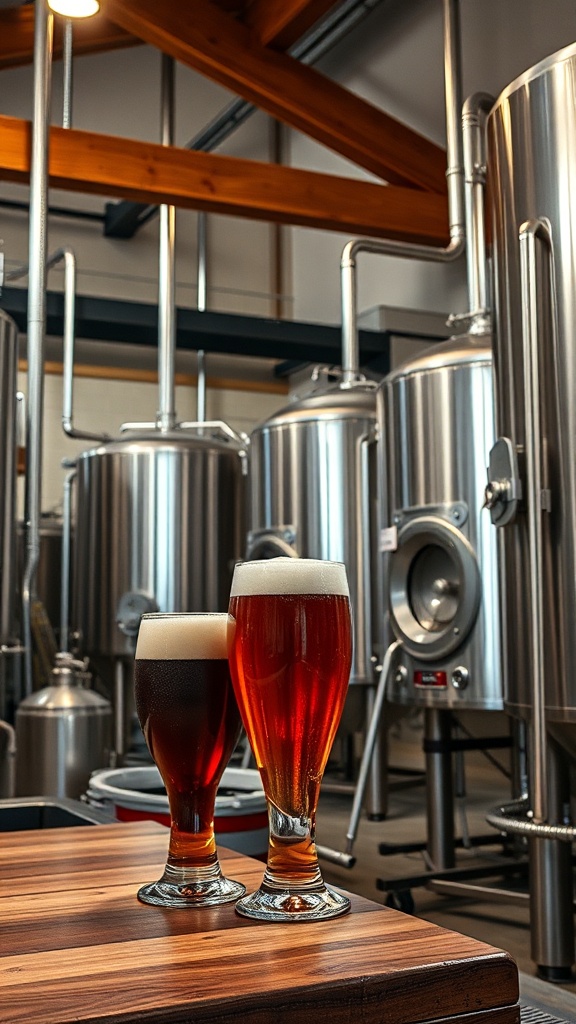
Whether you’re planning a brewery crawl through a lively city district or aiming to sample a dozen styles at a single taproom, Colorado’s brewing culture is built for exploration. Pack a sense of curiosity, bring ID, and be ready to taste why so many visitors and locals keep coming back for another round.