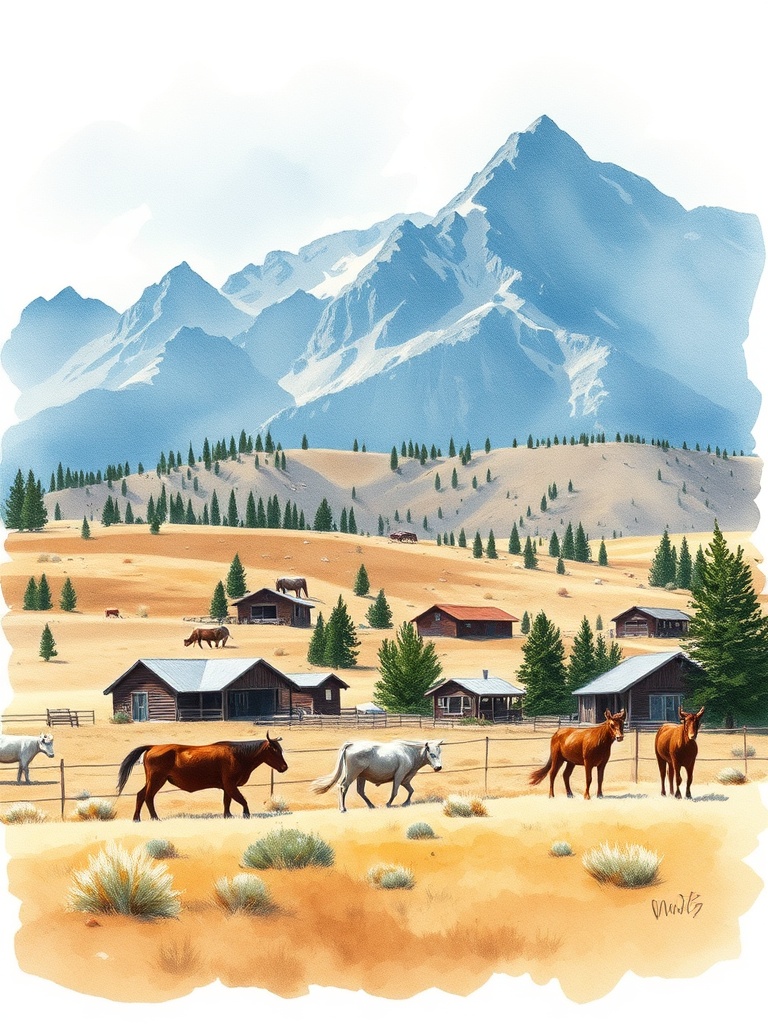
Wyoming ranches capture a unique blend of wide-open landscapes, working agriculture, and authentic Western experience. From mountain foothills to high desert basins, these properties appeal to buyers seeking productive livestock operations, recreational access, or a lifestyle change rooted in nature and self-reliance.
Why Wyoming ranches matter
Ranchland in Wyoming offers more than acreage: it provides access to open space, abundant wildlife, and the cultural heritage of ranching.
Many properties combine productive grazing, seasonal water sources, and proximity to public lands for additional forage and recreation.
That combination makes ranches attractive for legacy ranching, conservation-minded buyers, and hospitality operators looking to create guest-ranch experiences.
Key considerations for buyers and operators
– Water rights and irrigation: Secure and senior water rights are often the most important asset. Verify surface water, well permits, and ditch shares. Reliable water can determine carrying capacity and long-term value.
– Grazing capacity and forage: Look at historical stocking rates and summer/winter forage availability.
Many ranches supplement with hay during winter months, so infrastructure for storage and handling matters.
– Access and infrastructure: Road access, fencing, corrals, barns, and livestock handling facilities influence operating costs. Remote ranches may require investments in roads, utilities, and maintenance.
– Grazing permits: If the ranch borders public lands, confirm grazing permit status with federal or state agencies. Permits can expand usable forage but involve separate regulations and fees.
– Market channels: Cow-calf operations, yearlings, or backgrounding each have distinct market timing and infrastructure requirements. Understanding local livestock markets and transport logistics is essential.
Opportunities to diversify revenue
Many ranch owners blend traditional livestock with alternative income streams:
– Guest ranches and agritourism: Offering guided rides, fishing, hunting, and authentic ranch work experiences can offset seasonal income fluctuations while showcasing Western hospitality.
– Conservation easements and working lands programs: Permanent easements protect open space and can generate tax incentives while preserving a ranch’s agricultural character.
– Outfitting and guided recreation: Proximity to public land and big-game habitat allows supplemental revenue through guided hunts, wildlife viewing, and trail-based tourism.
– Renewable energy and leases: Some ranches lease portions of land for wind or solar projects, or host communication infrastructure, adding long-term passive income.
Conservation and stewardship
Healthy rangeland depends on adaptive grazing, noxious weed management, and water conservation. Collaborative approaches with neighboring landowners and conservation groups can enhance habitat connectivity and species protection.
Many buyers look to stewardship practices that balance livestock production with riparian restoration and native grassland recovery.
Lifestyle and challenges
Living on a Wyoming ranch demands resilience.
Winters can be severe, and seasonal isolation affects schooling, healthcare access, and supply logistics.
Emergency preparedness, reliable tractors and snow removal equipment, and solid winter feed plans are practical necessities. At the same time, ranch life offers deep rewards: close ties to the land, community connections, and a pace of life that many find restorative.
Making a prudent purchase
Work with local brokers who specialize in ranch properties, secure detailed due diligence on water and grazing, and consult appraisers experienced in rural and recreational land.
Consider long-term goals—productive agriculture, conservation legacy, or hospitality—and plan investments that align with those objectives.
Wyoming ranches remain a distinctive asset class that combines agricultural production, outdoor recreation, and conservation potential. With careful planning and stewardship, they can support a sustainable operation and an enduring connection to Western landscapes.