The Rocky Mountains are an iconic backbone of North America, offering dramatic peaks, sweeping alpine meadows, and a mosaic of ecosystems that draw outdoor lovers and nature photographers alike. Stretching from the northern ranges in Canada down through the American West, the Rockies combine rugged wilderness, accessible national parks, and countless recreational opportunities.
Why the Rockies remain compelling
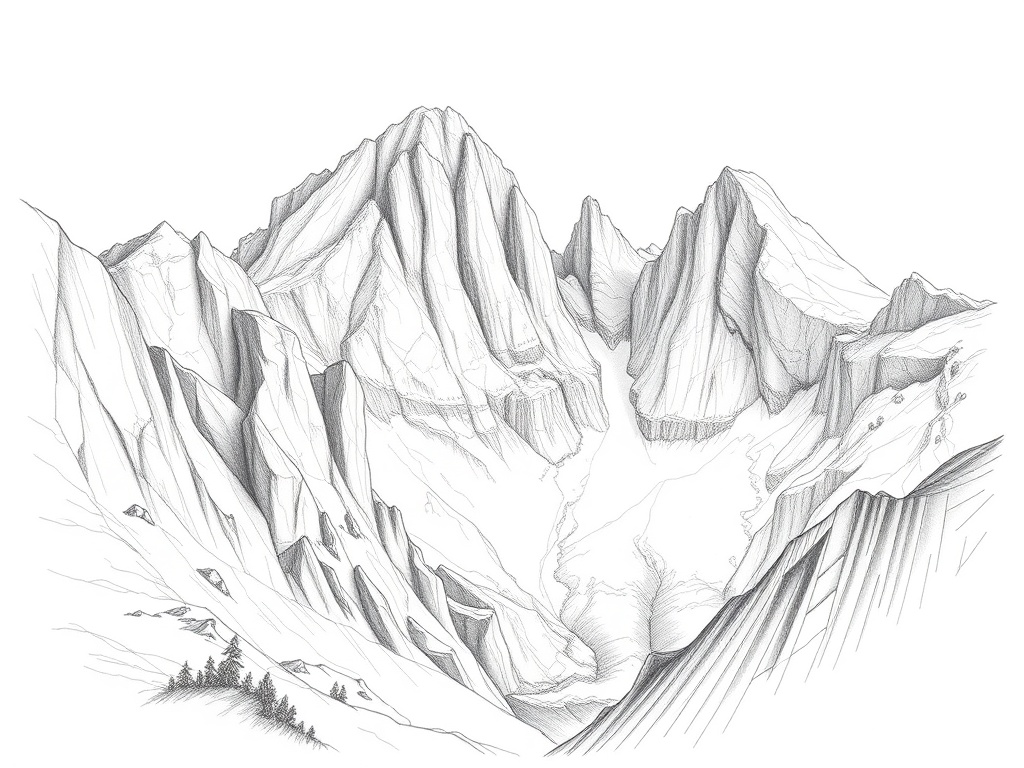
The range’s elevation gradient creates distinct habitats: montane forests give way to subalpine zones and austere alpine tundra near the summits.
Rivers born high in the mountains feed rich valleys below, supporting diverse flora and fauna.
This vertical variety makes the Rockies a natural laboratory for wildlife, scenic diversity, and climate impacts—offering everything from wildflower meadows and fall color to snowfields and cirques.
Outdoor activities for every skill level
– Hiking and backpacking: Trails range from short interpretive walks to multi-day backcountry routes. Popular high-elevation treks reward hikers with panoramic ridgelines and glacial cirques.
– Skiing and snow sports: Well-developed resorts and backcountry terrain both attract winter sports enthusiasts—avalanches and weather can be hazardous, so local forecasts and avalanche training are essential.
– Fishing and rafting: Mountain streams and alpine lakes are prime spots for trout fishing and whitewater recreation where permitted.
– Scenic drives and photography: Routes such as alpine parkways and mountain roads provide easy access to viewpoints, wildlife watching, and fall foliage.
Current environmental pressures
The Rockies are experiencing shifts that affect ecosystems and recreation alike. Snowpack patterns and glacier extent are changing, which influences water availability downstream and the timing of spring runoff. Warmer conditions have contributed to longer fire seasons and more frequent insect outbreaks that can alter forest composition. Habitat fragmentation from development and roads continues to challenge wide-ranging species, making migration corridors and protected areas critical for long-term biodiversity.
How visitors can help
Responsible recreation keeps the Rockies healthy and accessible for everyone. Key practices include:
– Pack layers for rapid weather changes and bring extra water and navigation tools.
– Respect altitude: pace yourself, stay hydrated, and know the signs of altitude-related illness.
– Follow Leave No Trace principles—pack out all trash, avoid trampling fragile alpine plants, and camp only in designated areas.
– Wildlife safety: view animals from a distance, secure food and scented items, and carry bear spray where recommended.
– Check permits and local regulations before backcountry travel; many popular areas require reservations or quotas to protect fragile environments.
Planning a trip
Timing matters: late spring through early fall is ideal for most high-elevation hiking, while shoulder seasons offer quieter trails and vivid seasonal color. For high-country adventures, plan for rapid weather shifts and colder nights even during warmer months.
Use official park and forest service resources to verify trail conditions, road access, and any alerts.
The Rocky Mountains remain a top destination for people seeking solitude, challenge, and spectacular views.
By preparing properly and choosing low-impact practices, visitors can enjoy these landscapes while helping preserve them for future generations. Whether you’re counting alpine wildflowers, photographing a sunrise from a ridgeline, or listening to a river carve a valley below, the Rockies reward curiosity and care.