Yellowstone remains one of the planet’s most iconic landscapes, a place where raw geothermal power meets wide-open wilderness and abundant wildlife. Whether you’re drawn by steaming geysers, kaleidoscopic hot springs, or the chance to see bison and elk grazing against dramatic mountain backdrops, knowing how to experience the park responsibly will make your visit safer and more memorable.
Geothermal wonders
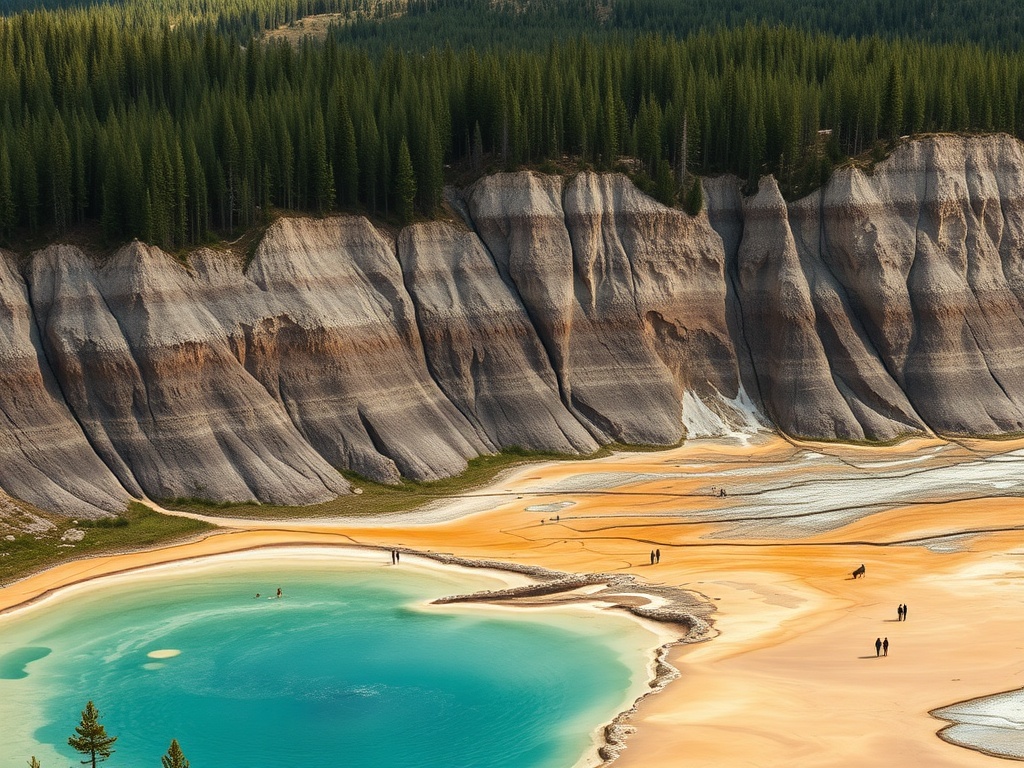
Yellowstone sits atop a vast volcanic hotspot, and that energy fuels an unparalleled collection of geothermal features. Geysers erupt on predictable schedules or surprise viewers with sudden displays; the most famous draws crowds but smaller, less-known geysers can be just as rewarding. Hot springs like the Grand Prismatic Pool glow with vivid blues and oranges caused by heat-loving microbes, offering a living palette shaped by chemistry and biology. Thermal areas are fragile and dangerously hot — staying on designated boardwalks and trails is essential to protect both visitors and delicate microbial mats.
Wildlife highlights
A wide range of mammals, birds, and fish inhabit Yellowstone’s ecosystems. Bison are the park’s signature species and often block roads while moving between grazing areas; keep a safe distance and never attempt to approach or feed them. Predators like wolves and bears shape the park’s ecology, and spotting them requires patience, binoculars, and respect for viewing protocols. Dawn and dusk are prime times for wildlife activity, but animals can appear at any hour, so stay alert and quiet when in meadows and forests.
Practical visitor tips
– Plan ahead: Services inside and near the park vary by season, so check road conditions and available facilities before you go.
– Arrive early or explore lesser-visited regions: Popular sites fill quickly; consider less-frequented basins, backcountry routes, or scenic drives to avoid crowds.
– Follow safety rules: Keep at least 25 yards from wildlife and 100 yards from bears and wolves. Use bear spray where recommended and know how to use it.
– Respect thermal areas: Stay on boardwalks, never touch or collect thermal water, and keep pets on a leash or leave them in permitted areas.
– Leave no trace: Pack out all trash, minimize noise, and avoid disturbing vegetation and historic structures.
Sustainable travel and conservation
Yellowstone’s ecosystems are interconnected and sensitive to human impact. Supporting conservation efforts can be as simple as following park guidelines, using established campsites, and choosing low-impact travel methods.
Consider contributing to visitor education programs or local conservation organizations that focus on habitat restoration and wildlife monitoring.
Photography and timing
Light and weather dramatically affect how landscapes and thermal features appear. Early morning fog can add atmosphere to geyser basins, while midday sun brings out vibrant colors in hot springs. Use a telephoto lens for wildlife to maintain safe distances, and consider neutral density filters for smooth water and steam effects.
Yellowstone offers a blend of spectacle and solitude, geology and ecology, that rewards curiosity and careful stewardship.
By planning responsibly and respecting the park’s natural rules, visitors can enjoy unforgettable experiences while helping preserve this special place for future generations.