Wyoming ranches combine wide-open landscapes, working livestock operations, and a cultural legacy that attracts buyers, visitors, and conservationists alike. Whether you’re scouting a dude ranch vacation, considering a working cattle property, or following land-conservation efforts, the state’s ranches offer a mix of Old West authenticity and modern rural enterprise.
Why Wyoming ranches matter
Ranching is a cornerstone of local economies and rural identity. Working ranches support beef production, maintain open space, and create wildlife habitat across large private tracts.
Many properties double as tourism businesses—offering horseback trail rides, fly-fishing access, and immersive ranch stays that connect guests to ranching life while generating diversified income for owners.
Trends shaping ranch life
Technology and conservation are changing how ranches operate. Ranchers are using precision tools—drones for fence inspections, GPS for cattle tracking, and remote water-monitoring systems—to reduce labor and improve animal welfare. Conservation easements and voluntary land stewardship agreements are popular ways to protect scenic, wildlife-rich landscapes while retaining private ownership.
At the same time, agritourism continues to grow, with more ranches hosting guests who want a hands-on experience or luxury lodge stay in a working setting.
Key considerations for buyers and visitors
– Water and water rights: Reliable water sources and legal access are critical. Verify wells, springs, irrigation infrastructure, and any attached water rights with local authorities and title professionals.
– Grazing permits and public lands: Many ranches depend on grazing allotments managed by public agencies. Confirm permit status, transferability, and usage histories.
– Infrastructure and improvements: Assess fences, barns, corrals, stock handling facilities, and road access. Improvements affect both operational capacity and valuation.
– Wildlife and predator management: Ranches coexist with elk, deer, pronghorn, bears, and predators.
Understand local migration patterns, depredation processes, and available mitigation strategies.
– Fire resilience and drought planning: Fire-adapted landscapes and periodic drought require defensible-space strategies, forage planning, and emergency response readiness.
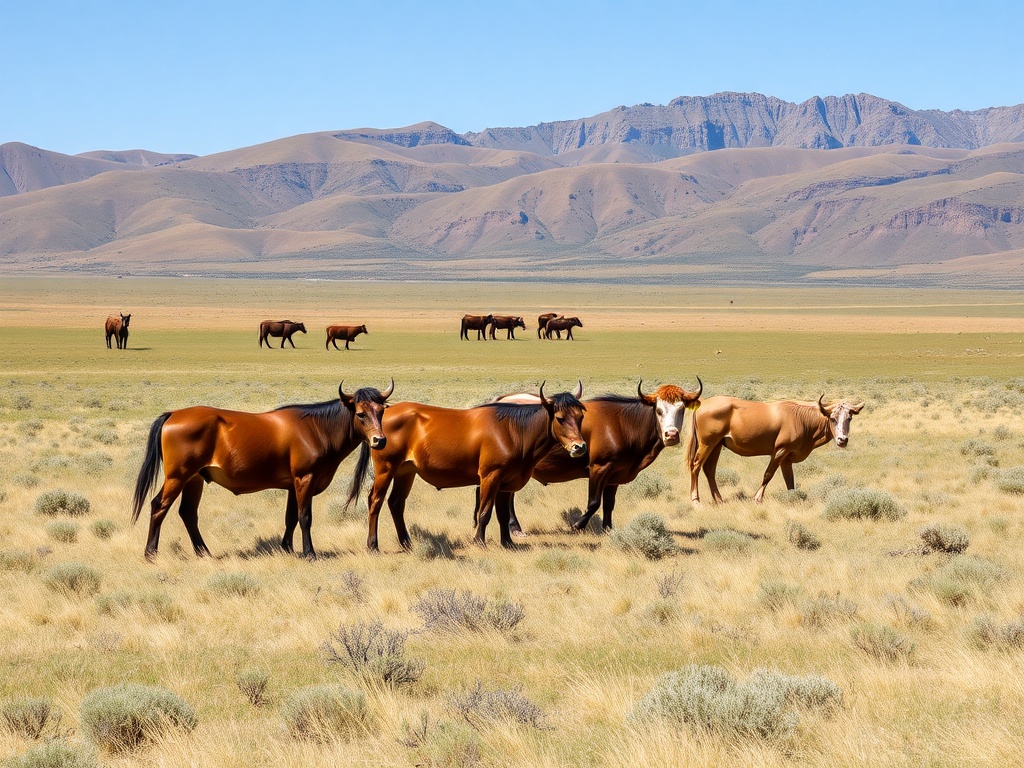
Visiting a ranch: practical tips
Expect remote settings and limited cell service on many ranches—come prepared with appropriate clothing, sunscreen, and sturdy footwear. When booking a dude-ranch stay, review activity options, level of lodging comfort, and whether meals and guides are included. For fly-fishing or hunting trips, secure the necessary licenses and inquire about private access permissions.
Conserving the landscape and legacy
Many ranch owners use conservation tools and partnerships with land trusts to balance private ownership with public benefits such as wildlife corridors and working landscapes. These arrangements can preserve ranching heritage, offer tax advantages, and ensure that scenic open space remains intact for future generations.
Whether you’re drawn by the idea of riding country trails, investing in rural real estate, or supporting land stewardship, Wyoming ranches offer an enduring mix of opportunity and responsibility. Working knowledge of water, wildlife, infrastructure, and local customs will guide better decisions for visitors and prospective owners alike.