Wyoming Ranches: What Buyers and Visitors Should Know Before They Commit
Wide-open landscapes, abundant wildlife and a legacy of working cattle country make Wyoming ranches a powerful draw for buyers and visitors seeking both lifestyle and investment. Whether you’re considering a guest ranch, a working cattle operation, or recreational acreage, understanding the essentials of land, water and regulatory realities will help you make a confident decision.
Location and access
Proximity to small towns, highways and regional airports affects both resale value and everyday convenience.
Remote tracts offer privacy and uninterrupted views but may require substantial investment in road maintenance, utilities and emergency access.
Look for reliable year-round access and confirm county road responsibilities.
Water rights and irrigation
Water is often the most critical asset on western ranchland. Confirm deeded water rights, ditch shares and well permits. Seasonal streams can be subject to diversion rights; an independent water-rights specialist or water attorney can clarify priorities and historical use.
For irrigated pasture or hay ground, verify irrigation infrastructure, pump capacity and water delivery efficiencies.
Grazing capacity and livestock infrastructure
Carrying capacity impacts profitability. Ask for AUM (animal unit month) estimates or historical stocking rates, and inspect pastures for soil health, species composition and noxious weeds. Evaluate fences, corrals, working pens and handling facilities—upgrades can be costly if they aren’t already suited to your intended livestock operation.
Leases, permits and public lands
Many Wyoming ranches border or depend on public grazing allotments. Understand the terms of federal or state grazing permits, permitted AUMs, and the process for transfer or renewal. If outfitting or guiding is part of the plan, research state licensing and permit requirements for hunting or fishing operations on adjacent public lands.
Conservation and tax considerations
Conservation easements can preserve open space while reducing tax burden, but they restrict subdividing and future development. Check available agricultural tax classifications and assess whether conservation programs or cost-share incentives apply—these can offset infrastructure and habitat restoration costs.
Wildfire, invasive species and resilience
Wildfire fuels management is essential. Assess defensible space around buildings and pasture fuel loads.
Invasive species like cheatgrass and leafy spurge can reduce forage quality; inquire about past control efforts and restoration plans. Drought-resilient grazing strategies and water-storage improvements increase long-term resilience.
Guest ranch and tourism potential
Guest ranches blend hospitality with ranching traditions. Successful operations highlight authentic experiences—cattle drives, horseback riding, wildlife viewing—paired with quality accommodations and strong marketing. Evaluate lodging capacity, sanitation systems, zoning for transient lodging and online presence when considering a conversion or purchase.
Due diligence checklist
– Verify deed, title and mineral rights
– Confirm water rights, well logs and irrigation records
– Review grazing permits and lease terms
– Get a soils and forage assessment to estimate carrying capacity
– Inspect fences, barns, wells, and housing condition
– Research county zoning and building permit rules
– Assess wildfire risk and mitigation measures
– Consult tax and conservation easement specialists
Finding local expertise
Work with a broker experienced in western ranches, a land surveyor, water-rights attorney and wildlife or range management consultant.
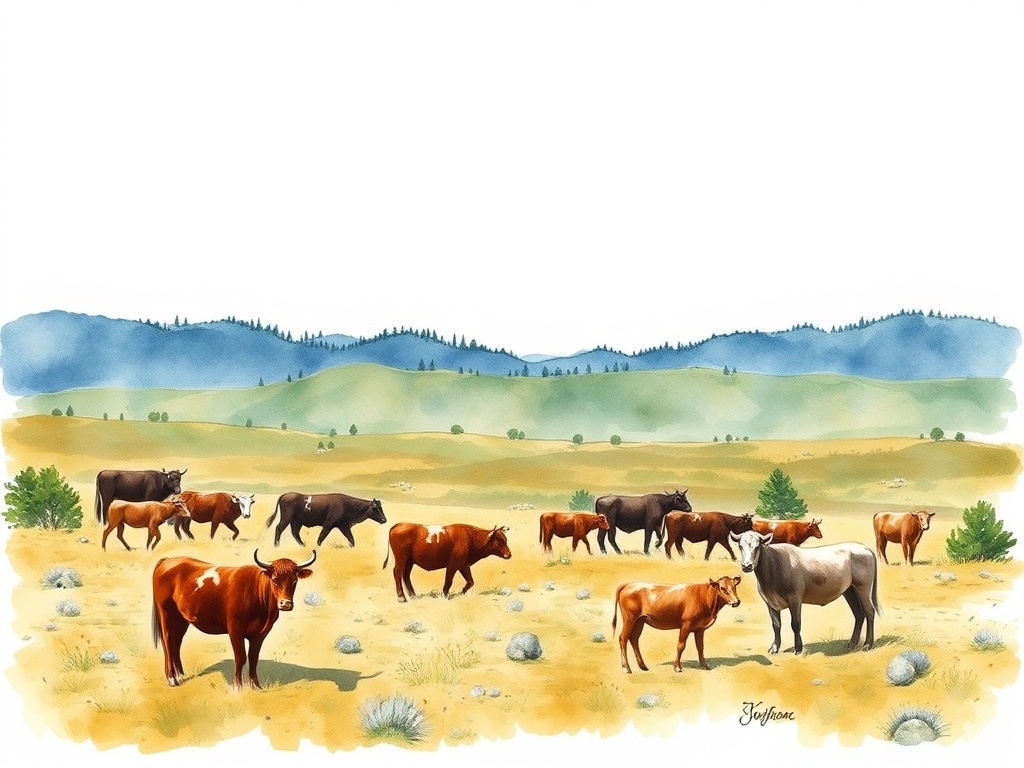
Local agricultural extension services and conservation districts offer practical guidance on forage management, grazing practices and noxious-weed control.
Wyoming ranch ownership combines lifestyle, stewardship and business. Being thorough about water, grazing, infrastructure and regulatory responsibilities ensures your investment supports both the land and the legacy you want to build. If you’re preparing to buy or develop a ranch, grounding decisions in practical due diligence will preserve value and make the most of the unique opportunities Wyoming landscapes provide.