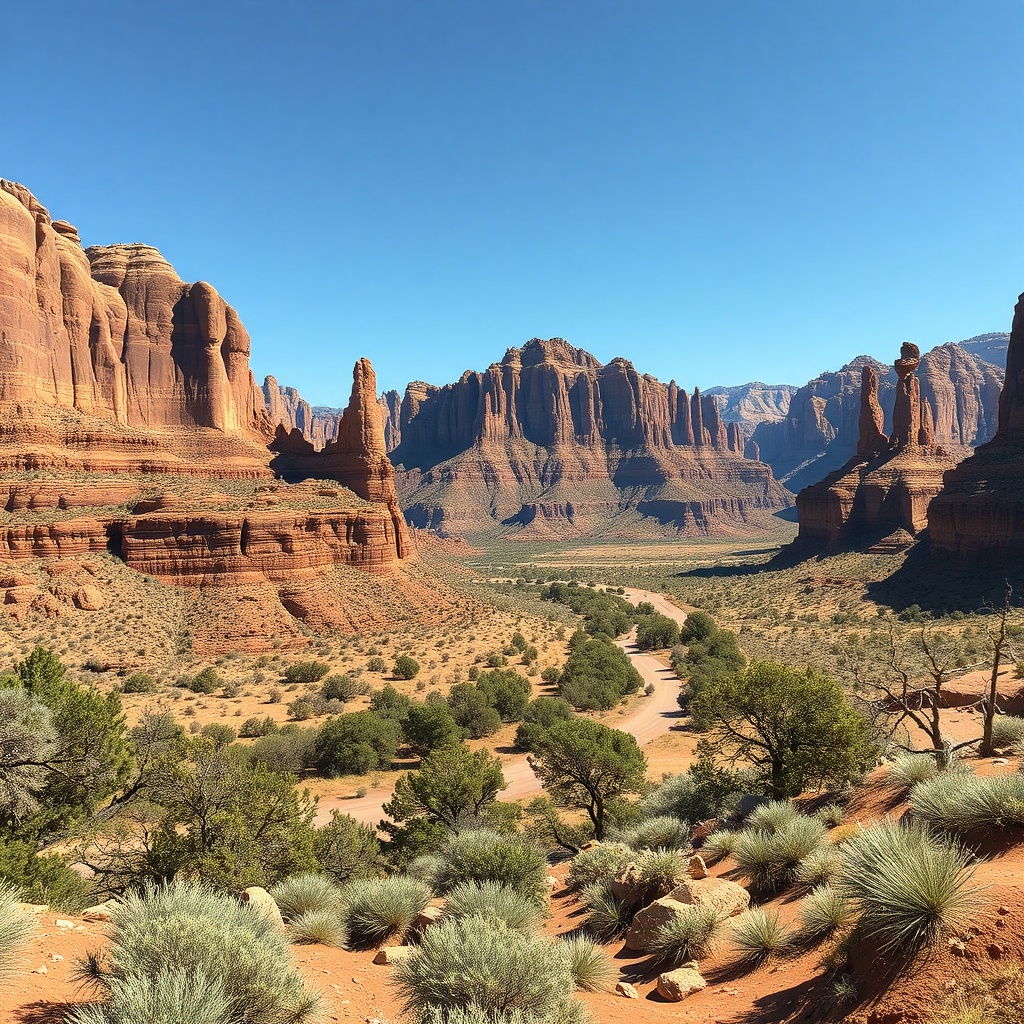
Moab’s redrock landscape is a magnet for outdoor lovers—hikers, climbers, mountain bikers and 4×4 enthusiasts flock to a compact region that packs world-class scenery into every direction.
Whether your aim is a sunrise photo of a glowing arch, a technical bike ride over slickrock, or a slow backcountry drive, a little planning makes the experience safer and more rewarding.
What to see and do
– Arches National Park: Famous for pinnacles and natural stone arches, accessible trails range from short viewpoints to longer routes like the Devils Garden area. Iconic formations offer great photo opportunities at dawn and dusk when the light softens and colors intensify.
– Canyonlands National Park (Island in the Sky and Needles districts): Known for vast overlooks, dramatic mesas, and remote hiking. Mesa Arch is a favorite sunrise spot because the arch frames deep canyons and soft morning light.
– Slickrock and Sand Flats: Near Moab, these sandstone expanses are synonymous with mountain biking. Technical singletrack and open slickrock circuits test skill while delivering unparalleled views.
– White Rim Road and backcountry drives: For multi-day adventure, the White Rim offers a combination of remote camping, river overlooks and rugged backcountry driving. It’s also popular with multi-day mountain-bike routes.
Practical tips for a smooth visit
– Timing: Desert heat can be intense; early mornings and late afternoons are cooler and less crowded.
Spring and fall conditions tend to be most comfortable, but always be prepared for temperature swings.
– Water and sun protection: Carry more water than you think you’ll need, use high-SPF sun protection, and wear a hat and breathable clothing. Desert dehydration can come on quickly, even among experienced visitors.
– Trail etiquette: Popular viewpoints can get crowded—yield to those enjoying the view, step aside to let others pass, and pack out trash. Stay on designated trails to protect fragile cryptobiotic soil and delicate vegetation.
– Permits and access: Some multi-day routes, commercial activities, and restricted areas require permits or reservations. Backcountry plans, motorized travel, and events often have specific rules—verify current requirements with the managing agency before you go.
– Safety and navigation: Cell service is unreliable in many areas.
Carry a paper map, download offline maps, and tell someone your route and expected return.
Weather can change quickly; thunderstorms can trigger dangerous flash floods in narrow canyons.
Photography and crowd management
Sunrise and sunset deliver the best light, but the most popular viewpoints get busy. For photos with fewer people, aim for the “shoulder” hours—just before sunrise or later in the evening.
For composition, include human-scale elements to show the enormity of the landscape, and use foreground rocks or vegetation to add depth.
Conservation and responsible travel
Leave No Trace principles are essential here. Moab’s fragile soils, plants and archeological sites recover slowly from disturbance. Pack out everything you bring in, avoid climbing on fragile formations unless specifically allowed, and respect seasonal wildlife closures.
Local economies benefit from sustainable visitation—book local guides, outfitters and services to support responsible stewardship.
Final thought
Moab blends sweeping desert vistas with intimate geological details in a way few places do. With thoughtful planning—respect for the land, careful attention to safety, and awareness of local rules—you can enjoy unforgettable landscapes while helping preserve them for others who will come after.