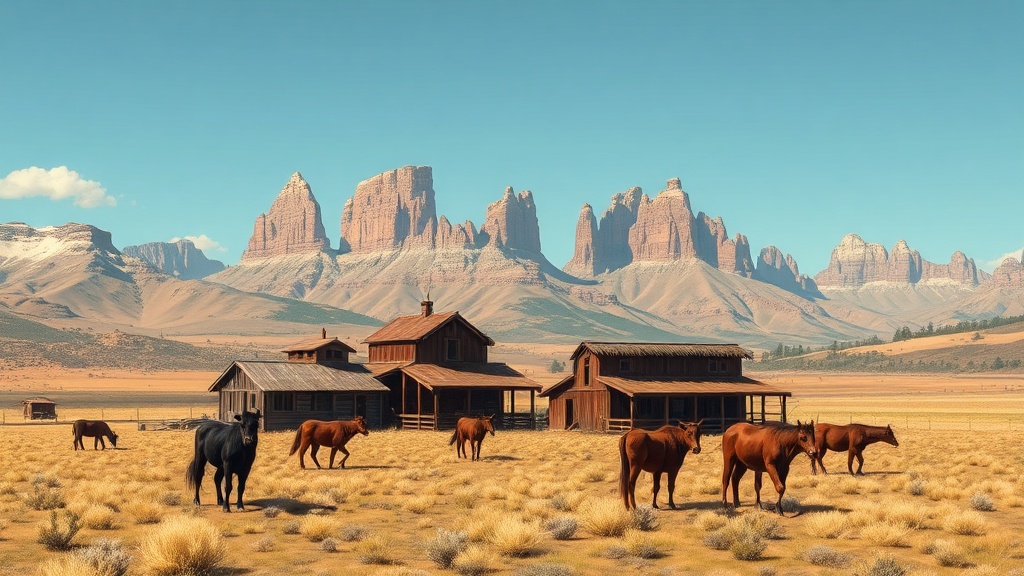
Wide-open skies, rolling sagebrush, and a way of life shaped by seasons and livestock—Wyoming ranches capture an enduring American myth while remaining practical, working landscapes.
Whether marketed as guest ranches for immersive vacations or preserving family heritages for multiple generations, these properties balance production, conservation, and recreational appeal.
What defines a Wyoming ranch
At the heart of Wyoming ranching are cattle operations spread across high plains, grassland valleys, and mountain foothills. Many properties mix grazing pastures with irrigated meadows, riparian corridors, and windbreaks of cottonwood and juniper.
Working infrastructure—corrals, hay barns, water systems, and miles of fencing—coexists with iconic ranch housing: homesteads, bunkhouses, and small ranch offices.
Some holdings operate purely for livestock production; others diversify with guest stays, hunting leases, and event rentals.
Visitor experiences and guest ranch culture
Guest ranches, often called dude ranches, offer a curated way to experience ranch life. Typical activities include guided horseback rides, fly-fishing on private streams, cattle sorting introductions, and evening campfire storytelling.
Many guest ranches focus on family-friendly itineraries with progressive riding programs, while others specialize in backcountry pack trips or hunting packages. Booking early for popular seasons, respecting livestock and pasture boundaries, and following ranch hand guidance ensures a safe, authentic visit.
Conservation and sustainable ranching
A growing emphasis on conservation practices shapes how many ranches operate. Conservation easements protect open space and wildlife corridors while allowing ranching to continue; these tools can provide tax advantages and secure legacy lands. Rotational grazing, native grass restoration, and careful water management improve pasture resilience and support species like mule deer, elk, and sage-grouse. Partnerships with land trusts and state wildlife agencies often help ranch owners balance production with biodiversity goals.
Land, water rights, and public-land access
Understanding water rights and grazing leases is essential when evaluating a ranch. Water allocations, irrigation infrastructure, and access to springs or creeks determine forage potential and land value. In many regions, proximity to federal public lands expands recreation and hunting opportunities but also introduces considerations about grazing permits and seasonal access. Working with local attorneys and brokers knowledgeable about western water law and public land policy reduces surprises.
Economic realities and succession planning
Running a ranch requires adaptability. Rising input costs, labor availability, and market volatility make diversification attractive—agritourism, carbon sequestration projects, and specialty livestock programs can supplement income. Succession planning remains a pressing topic for family ranches; clear estate planning, phased ownership transfer, and engaging the next generation in operations help sustain ranch legacies.
Buying or visiting a ranch: practical tips
– Research local brokers who specialize in ranch real estate and know grazing, water, and wildlife considerations.
– Inspect fencing, corrals, irrigation systems, and primary wells; these impact both operations and cost.
– Ask about conservation easements, hunting leases, and any grazing agreements with federal agencies.
– When visiting, follow ranch rules: close gates, keep distance from livestock, and heed biosecurity measures.
Wyoming ranches offer more than a scenic retreat—they are working ecosystems tied to cultural heritage, economic activity, and conservation priorities. Whether seeking a hands-on ranch vacation or exploring ranch ownership, a thoughtful approach to the land, its seasons, and its stakeholders yields the richest experience.