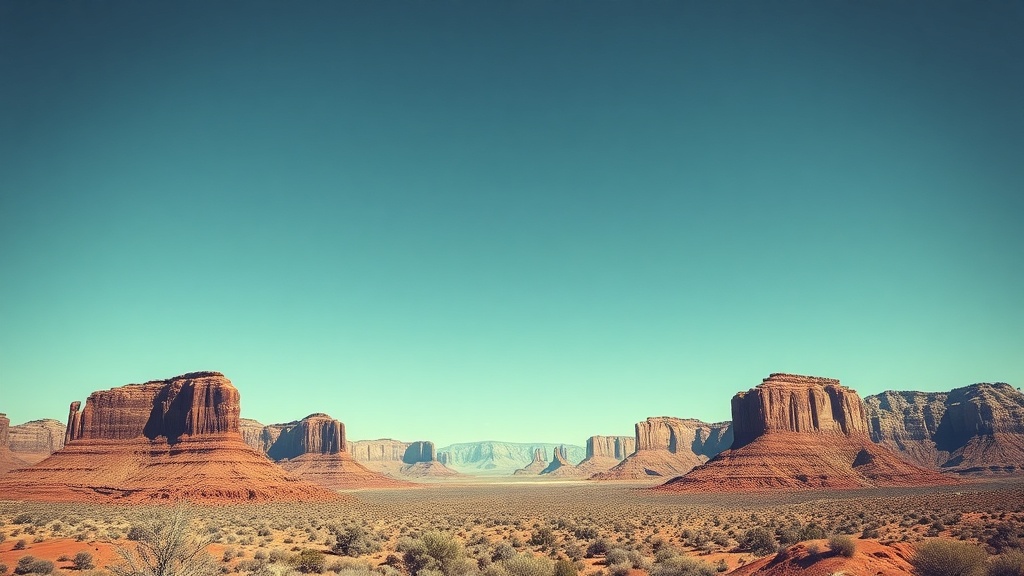
Moab sits at the intersection of red-rock adventure and wide-open sky, making it a must-visit destination for hikers, bikers, off-roaders, paddlers, and photographers. The town serves as the gateway to two iconic national parks—Arches and Canyonlands—plus a constellation of state parks, BLM lands, and scenic byways. Whether you’re chasing Delicate Arch at golden hour, lining up the perfect Mesa Arch shot, or carving slickrock on a mountain bike, a little planning makes the experience safer and more rewarding.
Plan for crowds and access
Visitation can be heavy at popular viewpoints and trailheads. Parks may use timed-entry systems, shuttle services, or parking limits during peak periods, so check official park resources before you go.
Arrive early for sunrise hikes or late-afternoon for softer light and fewer people.
A federal park pass (America the Beautiful) covers entrance fees for national park units and is often worth it if you’ll visit multiple parks.
Trail and safety essentials
Desert conditions can be harsh—heat, intense sun, sudden wind, and flash flooding in narrow canyons are all real hazards.
Carry ample water, sun protection, and electrolyte replacements; wear sturdy shoes with good traction, and use a map or GPS since cell coverage can be unreliable. Stick to marked trails and follow Leave No Trace principles: pack out trash, avoid stepping on cryptobiotic soil crusts, and keep a respectful distance from wildlife and archaeological sites.
Top activities around Moab
– Hiking: Trails range from short, iconic viewpoints like Delicate Arch to longer routes such as the Devil’s Garden area with its maze of fins and arches. Many viewpoints are accessible with relatively short walks, while backcountry routes require navigation skills.
– Mountain biking: The Slickrock trail and the Sand Flats Recreation Area are legendary. Trails vary in technicality; know your skill level and inspect your bike before heading out.
– Off-roading and Jeep trails: Routes like Hell’s Revenge and Fins and Things are classic 4×4 experiences. Use low-range gears where required, keep to designated routes, and respect private land boundaries.
– River trips: The Colorado and Green Rivers offer everything from half-day scenic floats to multi-day expeditions.
Book with licensed outfitters unless you’re experienced and self-supported.
– Stargazing and photography: Minimal light pollution creates spectacular night skies. Popular photo setups—Delicate Arch at sunset, Mesa Arch in Canyonlands at sunrise—get busy, so expect company and bring a headlamp for the return walk.
Permits and regulations
Backcountry camping and river permits may be required for certain areas. Commercial photography often requires a permit. Pets have restrictions inside national parks, and drones are typically prohibited.
Check National Park Service and Bureau of Land Management pages for current permit information and recreation rules.
Responsible recreation
Moab’s landscapes are fragile. Staying on durable surfaces, camping in established sites, and minimizing noise helps preserve the character that draws visitors.
For motorized recreation, follow vehicle-use maps and avoid creating new tracks.
Final planning tips
Book lodging and guided activities early if your travel dates are flexible. Download offline maps, keep emergency contact info handy, and let someone know your itinerary for longer trips. With thoughtful preparation, Moab’s red-rock playground offers unforgettable adventure across hiking, biking, driving, and paddling pursuits.
Check official park sources before you go and enjoy the landscape with respect and curiosity.