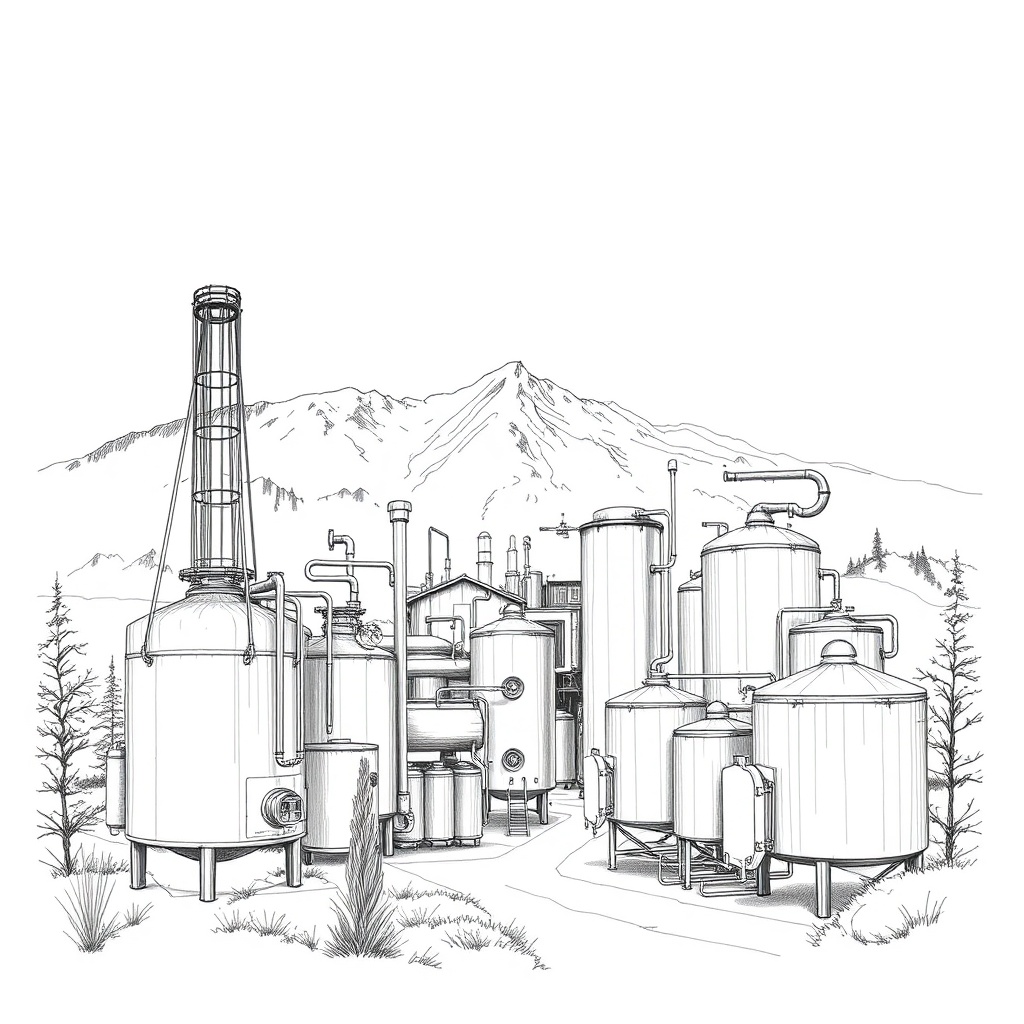
Why Colorado breweries are a must-visit for beer lovers
Colorado breweries have long been a destination for beer enthusiasts, combining mountain-sourced ingredients, boundary-pushing recipes, and lively taproom culture. Whether you prefer crisp lagers, hop-forward IPAs, tart mixed-fermentation sours, or oak-aged barrel releases, Colorado’s craft scene offers a deep roster of styles and experiences.
What sets Colorado breweries apart
– High-elevation brewing: Brewing at altitude affects boil temperature and hop perception, encouraging brewers to experiment with recipe adjustments and unique techniques. Many Colorado brewers embrace that challenge to produce beers with distinct clarity and balance.
– Water and grain quality: Snowmelt from the Rockies provides soft, clean water that highlights malt character and hop nuance. Local grain relationships also let brewers emphasize terroir in saisons, farmhouse ales, and barrel-aged beers.
– Style diversity: Expect everything from crushable lagers and West Coast IPAs to juicy hazy styles, barrel-aged stouts, and wild-fermented sours. Experimental small-batch series and collaborative releases keep tap lists fresh.
Taproom culture and experiences
Taprooms are the heart of the scene—welcoming spaces where families, dog-owners, and beer nerds mingle.
Many breweries focus on hospitality with board games, food-truck lineups, live music, and outdoor beer gardens that make the most of Colorado’s sunshine and mountain views.
Brewery tours remain an engaging way to see the process up close; look for producers that offer guided tastings or behind-the-scenes access to canning lines and barrel rooms.
Sustainability and community
Sustainability is a growing priority. Brewers are adopting water-reduction strategies, spent-grain partnerships with local farms and bakeries, onsite solar, and packaging choices designed to reduce waste.
Community involvement is common—many breweries host charity nights, collaborate with local artisans, and support land-conservation efforts. Choosing a brewery that prioritizes local sourcing and responsible practices helps sustain the broader ecosystem.
Planning a brewery trip
– Map a neighborhood or regional trail: Cities like Denver, Fort Collins, Boulder, and mountain towns each offer concentrated clusters of breweries. Planning a route saves time and makes logistics easier.
– Check taplists and release calendars: Seasonal beers and limited can runs can sell out quickly.
Follow breweries on social media or sign up for mailing lists to get release notifications.
– Try a flight: Flights let you sample a range without committing to a pint. Ask bartenders for recommendations—many will point you to standout experimental cans or cellar-aged offerings.
– Respect local regulations: Some taprooms require reservations for weekend slots or group tables. Bring ID, and plan safe transportation if you’ll be sampling multiple stops.
Finding hidden gems
Smaller mountain and frontier towns often host breweries with an emphasis on community and place-based beers. These destinations can offer quieter tasting rooms and inventive small-batch releases, plus scenic hikes and outdoor activities nearby—perfect for pairing a brewery visit with a day outside.
Why visit now
Colorado’s breweries continue to push creative boundaries while deepening ties to local landscapes and communities. Whether you’re a casual drinker seeking a relaxed patio, a design-minded traveler interested in taproom architecture, or a hop aficionado chasing the next bold IPA, there’s always a new beer or brewery to discover.
Plan a route, pace your tastings, and support local brewers—your next memorable pint is waiting at a Colorado taproom.