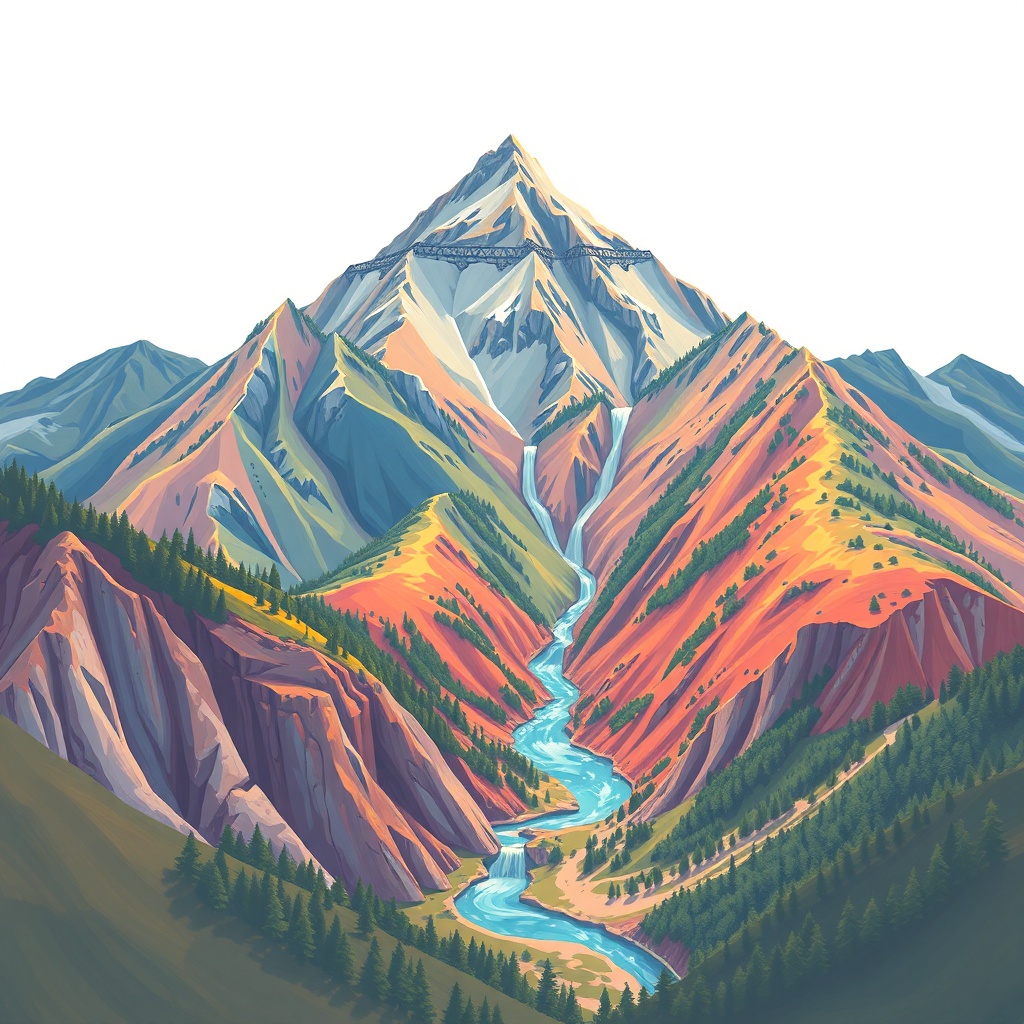
Colorado’s appeal is rooted in dramatic contrasts: soaring alpine peaks, broad high plains, sandstone canyons and vibrant urban centers. Whether you’re chasing sunrise from a fourteener, carving fresh corduroy at a ski area, or sampling craft breweries in Denver, the state offers year-round outdoor access—and with that access comes responsibility. Here’s a practical guide to enjoying Colorado safely and sustainably.
Why Colorado stands out
The Rocky Mountains create a wide range of microclimates and ecosystems within short distances. You can go from sun-baked deserts to snowbound summits in a single day, which makes packing, planning and situational awareness essential.
The state also has a strong culture of outdoor recreation, with extensive trail networks, alpine lakes, and winter terrain that attract adventurers from across the region.
Plan ahead and get the right permits
Many popular trailheads, parks and ski areas require reservations, parking permits or entrance passes—especially during busy weekends and holiday periods. Check the relevant land manager (city, county, state parks, BLM, or national forest) for current access rules and permit requirements before you go. If you’re heading into protected areas or wilderness zones, make reservations early and follow any group-size limits.
Pack smart for variable conditions
Colorado weather can change fast. Follow the “layers and essentials” approach:
– Base layer, insulating mid-layer and a waterproof outer shell
– Sun protection: sunglasses, SPF lip balm and sunscreen (UV intensifies at altitude)
– Hydration: bring more water than you think you’ll need, and use electrolyte options for long efforts
– Navigation: map, compass or a reliable offline GPS app
– Emergency kit: headlamp, multi-tool, first-aid supplies, firestarter, and an emergency blanket
Respect seasonal hazards
Wildfire risk, avalanche danger and flash flooding are recurring concerns. Stay informed about local conditions and red-flag warnings. In snow country, consider avalanche training and always carry a beacon, shovel and probe if venturing into backcountry terrain. During hotter months, follow campfire restrictions and practice defensible-space principles when staying near communities.
Practice Leave No Trace
Preserving Colorado’s landscapes depends on visitors leaving minimal impact. Key practices include:
– Pack out all trash and food scraps
– Stay on designated trails to protect fragile alpine vegetation
– Use established campsites and bear-proof storage where required
– Dispose of human waste properly, following local rules for catholes or toilets
Altitude and fitness considerations
Altitude can affect anyone. Allow time to acclimatize, especially if traveling from sea level. Signs of altitude sickness include headache, nausea and shortness of breath—descend and hydrate if symptoms worsen. Moderate your exertion on hikes and climbs; high-effort activities are more taxing at elevation.
Support local economies and conservation
Patronize local outfitters, guides and small businesses—many communities depend on outdoor tourism. Consider volunteering or donating to land stewardship programs that fund trail maintenance, invasive species control and wildfire mitigation.
Enjoy responsibly
Colorado rewards planning and respect.
With the right preparation—permits, layers, hazard awareness and Leave No Trace practices—you’ll help ensure the places you love stay healthy and accessible for everyone. Check local land manager updates before you go, and treat every outing as a chance to leave the landscape better than you found it.