The Rocky Mountains offer an iconic blend of jagged peaks, alpine meadows, and deep forested valleys that draw hikers, climbers, and nature lovers year-round. Whether planning a day hike, a backpacking trip, or a photography outing, focusing on safety, stewardship, and smart planning will make time in the Rockies more enjoyable and sustainable.
Plan with purpose
Start by choosing routes that match fitness and experience. High-elevation trails demand more effort and can change quickly from easy to strenuous.
Look for trail descriptions that note distance, elevation gain, and technical difficulty.
Permit requirements and trail conditions vary across wilderness areas and national parks, so check official land-management sites for the latest alerts before heading out.
Essential gear checklist
Packing the right gear reduces risk and increases comfort:
– Layered clothing for rapidly changing mountain weather
– Waterproof outer layer and insulating mid-layers
– Sturdy hiking boots or trail runners with good traction
– Navigation tools: map, compass, and a backup GPS device or app
– Headlamp, extra batteries, and an emergency shelter or bivy
– Sufficient water and a water-treatment method
– High-energy food and electrolytes
– Lightweight first-aid kit and blister care
– Sun protection: wide-brim hat, sunglasses, and SPF
Manage altitude wisely
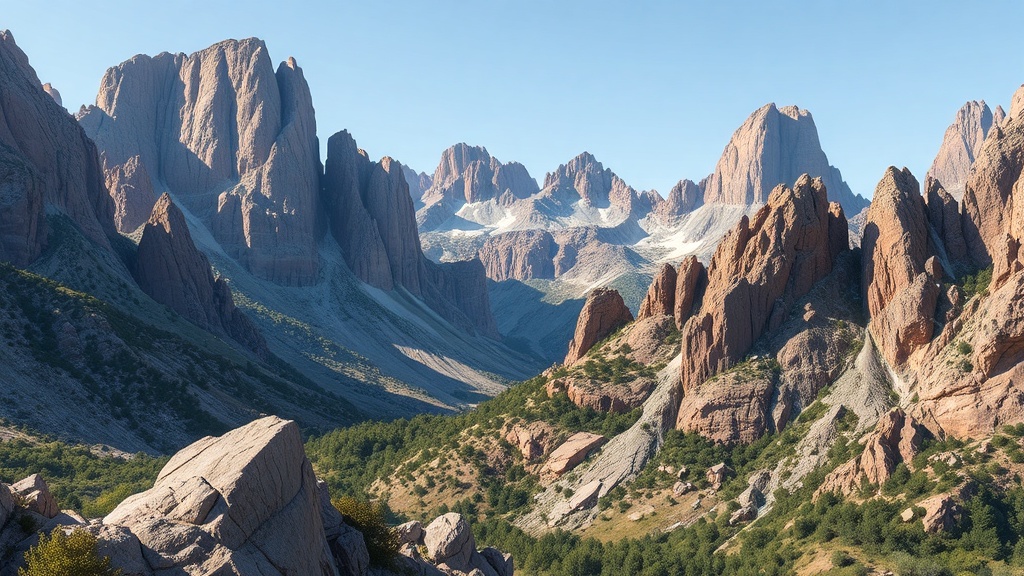
Altitude affects everyone differently. Symptoms like headache, nausea, dizziness, or shortness of breath indicate the body needs time to acclimatize. Ascend gradually when possible, take frequent breaks, and prioritize hydration and sleep. If symptoms worsen, descend to lower elevation immediately.
Respect wildlife and practice safe encounters
Wildlife in the Rockies includes elk, deer, moose, bighorn sheep, bears, and mountain lions. Keep a safe distance and never approach or feed animals. Use binoculars or telephoto lenses for photos. In bear country, store food properly in bear-resistant lockers or use approved canisters and follow local regulations. Carry bear spray where recommended and know how to use it.
Watch the weather and seasonal hazards
Mountain weather can shift from sun to storm within an hour. Thunderstorms pose significant risk above treeline—descend early when storms threaten.
Snowfields and late-season snow can hide hazards; use traction devices or an ice axe if needed and have avalanche awareness for winter and spring travel. Wildfire smoke can impact air quality and visibility; monitor local fire advisories and plan accordingly.
Leave no trace and support conservation
Follow Leave No Trace principles: pack out trash, minimize campfire impacts, camp on durable surfaces, and respect wildlife and cultural sites. Trails and alpine ecosystems are fragile; stay on designated paths to protect native plants and prevent erosion. Support local conservation efforts and trail maintenance groups with volunteer time or donations to help preserve these landscapes for future visitors.
Choose experiences that match your impact tolerance
Popular areas can become crowded during peak times. Consider visiting lesser-known trailheads, traveling during shoulder seasons, or choosing early starts to avoid crowds.
Backcountry permits and quota systems help manage visitor impact—plan ahead to secure access.
The Rockies reward preparation and respect. Thoughtful planning, proper gear, wildlife awareness, and a commitment to conservation create safer, more meaningful experiences in these dramatic mountain landscapes. Pack wisely, tread lightly, and leave the mountains better than you found them.