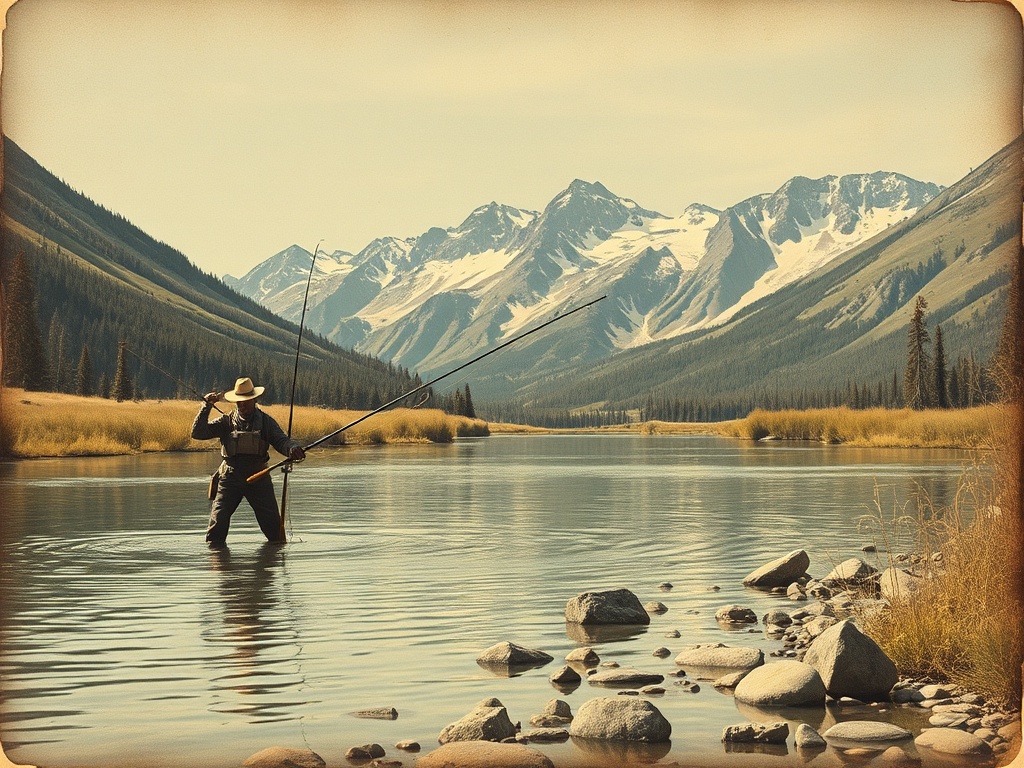
Montana fishing: where big water, wild trout, and quiet streams meet angler expectations. From tailwater trout to high alpine lakes, Montana offers some of the best freshwater angling anywhere.
Whether chasing rainbows, browns, or native cutthroats, success depends on matching technique, timing, and respect for the resource.
Where to go
– Rivers: The Missouri, Madison, Gallatin, Yellowstone, and Bighorn are headline waters famed for consistent hatches and trophy fish. Tailwaters below dams often fish well year-round because flows and temps are predictable.
– Streams and freestone rivers: Smaller freestones hold wild fish and provide a classic wade-and-walk experience. These fisheries can be rewarding for anglers who enjoy stealth and sight-fishing.
– Lakes and reservoirs: Flathead Lake, Hebgen, and other high-country reservoirs offer opportunities for trolling, casting, and bank fishing for trout and landlocked salmon.
Techniques that work
– Nymphing: It’s the backbone of productive days. Indicator nymphing, two-nymph rigs, and Euro-style nymphing each have advantages depending on current and depth.
Focus on getting flies in the strike zone with natural drift.
– Dry-fly: When naturals are hatching, nothing beats the excitement of surface takes. Match the hatch by observing the bugs on the water and present with a drag-free drift.
– Streamers: Big browns and opportunistic rainbows love streamers. Long strips and erratic retrieves trigger aggressive strikes—especially during low-light periods or when fish are in transition.
– Trolling and casting for lakes: Use downriggers or weighted lines for deep trout; shallow trolling with spoons or flies can excel during insect hatches or thermocline breaks.
Gear basics
– Rods: A 9-foot 5-weight is a versatile trout rod; consider 6-7 weights for heavy streamer work or windy conditions.
– Lines and leaders: Floating lines with a tapered leader suit dry-fly and indicator tactics; use heavier leaders for streamers and bitey fish.
– Flies: Carry a selection—nymphs (pheasant tail, copper john, stonefly nymphs), dries (elk hair caddis, PMD, Adams), and streamers (marabou or zonker patterns).
Size and color should mimic local insects.
Conservation and etiquette
– Follow catch-and-release best practices: barbless hooks, minimal handling, wet hands, and quick photo-and-release reduce stress. Revive fish in current water until they swim strongly.
– Respect access points and private property.
Use designated fishing access sites and pack out all trash.
– Check current regulations before fishing; seasons, limits, and gear restrictions can vary by water and change regularly. Use state fish and wildlife resources for the latest rules.
Safety and planning
– Spring runoff can dramatically change river conditions—monitor flows and avoid dangerous currents. Water clarity and temperature affect fish behavior and where to fish.
– Backcountry anglers should prepare for variable weather and wildlife encounters. Carry bear spray, know how to use it, and practice Leave No Trace.
– Hiring a local guide is an efficient way to learn water-specific tactics, find productive water, and get comfortable with local etiquette.
Montana fishing rewards patience, observation, and respect for wild places. Focus on reading water, matching the hatch, and leaving waters healthier than they were found to keep fishable rivers and lakes thriving for the next angling day.