The Rocky Mountains remain one of the most magnetic landscapes for outdoor lovers, offering dramatic peaks, sweeping valleys, and rich ecosystems that reward exploration and careful stewardship. Whether you’re planning a weekend hike, a backcountry camping trip, or simply want to understand what shapes this region, a mix of practical guidance and ecological context will help you get the most from your visit.
Geology and landscape
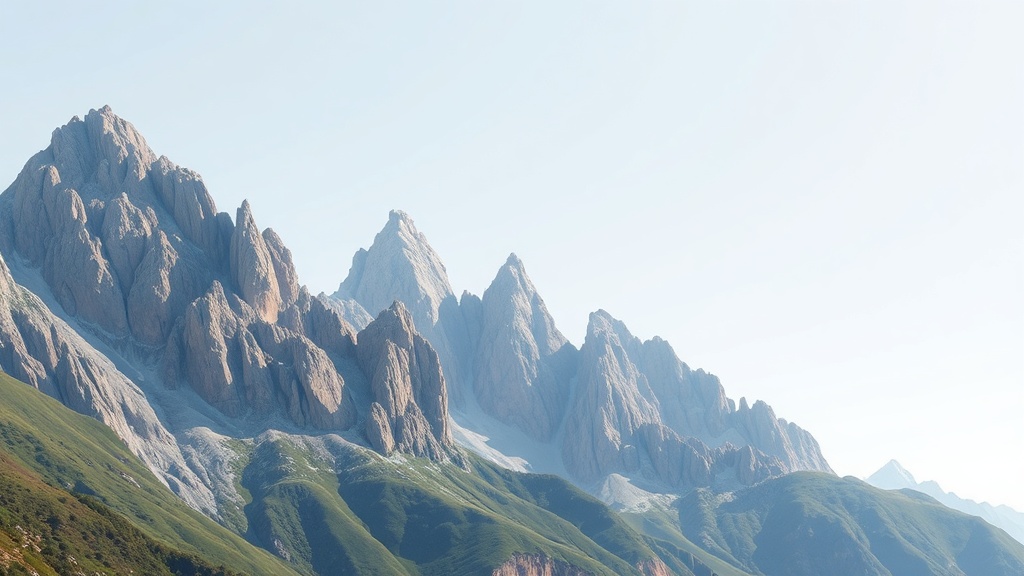
The Rockies are a rugged backbone of metamorphic and igneous rock uplifted by deep tectonic forces, producing sharp peaks, alpine plateaus, and glaciated valleys. You’ll find granite and gneiss in higher ranges, sedimentary layers exposed on flanks, and cirques and moraines where glaciers once carved the land. These dramatic landforms create microclimates and diverse habitats from montane forests to alpine tundra.
Biodiversity and wildlife
Vegetation zones shift rapidly with elevation: dense conifer forests at lower slopes give way to subalpine meadows and sparse alpine vegetation near the summits. Wildflowers can carpet meadows for brief but spectacular seasons, while willow and sedge communities thrive in wet meadows and riparian corridors.
Wildlife is abundant and varied—elk, mule deer, bighorn sheep, mountain goats, and predators such as mountain lions and coyotes all inhabit the region. Black bears and grizzly bears are present in different parts of the range; learning their behavior and practicing food storage is essential.
Birdlife includes raptors like golden eagles as well as migratory songbirds that depend on intact habitats.
Practical tips for visitors
– Plan seasonally: summer offers the most trail access and wildflower displays, while shoulder seasons can be quieter but bring more unpredictable weather. Winter sports open up in many areas, but routes and avalanche risk require specific preparation.
– Acclimatize to altitude: elevation can cause headache, nausea, or fatigue. Move slowly on arrival, hydrate, avoid heavy exertion the first day, and recognize signs of more serious altitude illness.
– Pack essentials: layered clothing, waterproof shell, sturdy boots, map and compass or GPS, headlamp, first-aid kit, and extra food and water. A water filter or purification tablets are useful where potable water sources are scarce.
– Permits and regulations: many popular trails and backcountry zones require day-use permits or overnight reservations. Check ranger stations or official park websites before you go.
Safety and etiquette
– Bear safety: carry bear spray where bears live, store food and scented items in approved containers or lockers, cook and eat away from sleeping sites, and never approach or feed wildlife.
– Trail safety: stick to marked trails to avoid fragile alpine vegetation and minimize erosion.
Be cautious around steep slopes, loose rock, and swift streams—snowmelt increases water flow and can raise crossing hazards.
– Leave No Trace: pack out trash, bury human waste appropriately and away from water sources, minimize campfire impacts by using established rings or a camp stove, and respect wildlife by observing from a distance.
Conservation and responsible recreation
The Rockies face pressures from development, invasive species, and changing climate patterns that affect snowpack, streamflow, and species ranges. Supporting local conservation groups, volunteering for trail maintenance, and choosing lower-impact recreation choices can help protect these landscapes for future visitors.
Exploring the Rocky Mountains rewards preparation and respect.
With thoughtful planning, an awareness of conditions and wildlife, and a commitment to conservation-minded behavior, your time in the high country will be safer, more enjoyable, and more meaningful.
Plan wisely and enjoy the mountains responsibly.