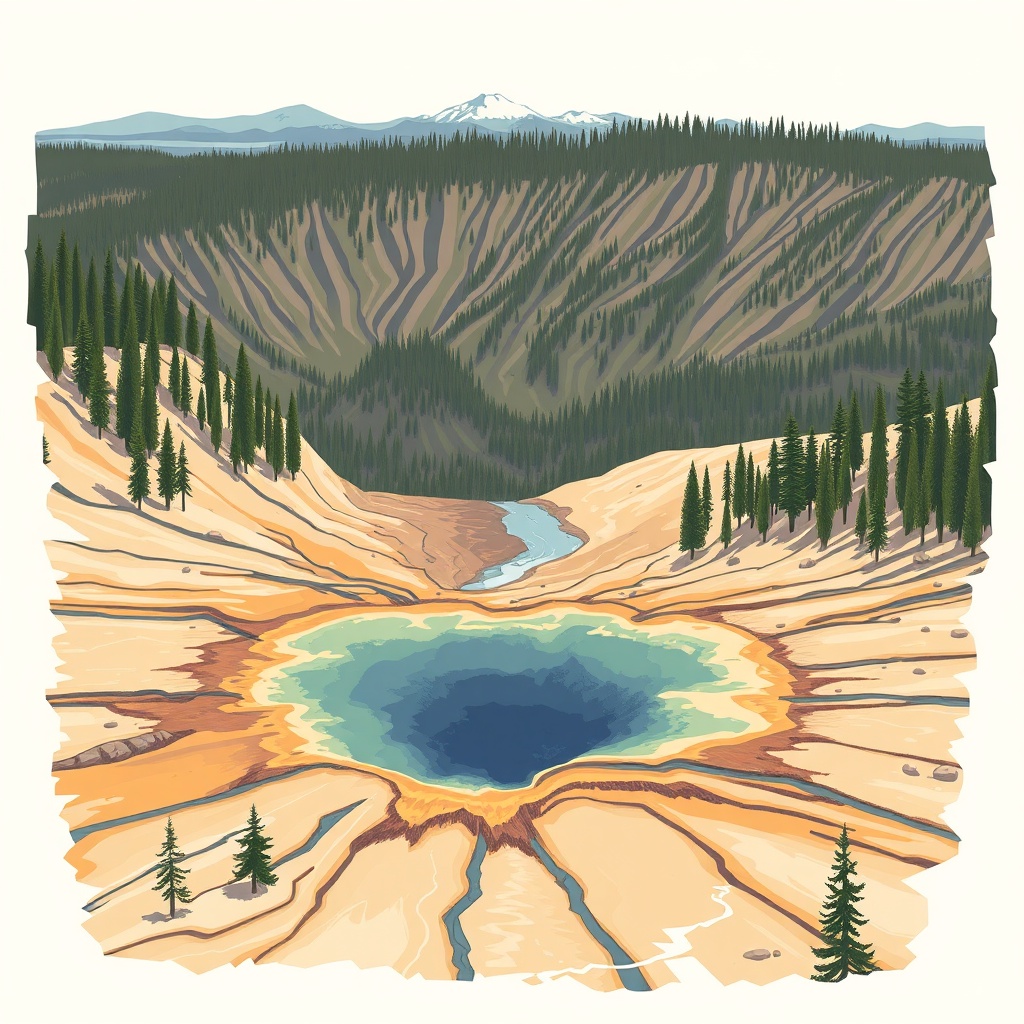
Yellowstone offers a compact, otherworldly landscape where geysers, hot springs, canyons and abundant wildlife intersect—making it one of the most captivating natural destinations to explore. Whether you’re drawn to geothermal spectacle, dramatic river-carved scenery, or wildlife viewing, a little planning and respect for the park’s rules will make your visit safer and more rewarding.
What to see and do
– Old Faithful and the Upper Geyser Basin: Famous geysers erupt in a geothermal theater of steam and mineral terraces. Boardwalks let you get close while protecting fragile ground.
– Grand Canyon of the Yellowstone: Towering walls and powerful waterfalls create sweeping viewpoints; short hikes deliver dramatic photo opportunities.
– Hayden and Lamar Valleys: These broad grasslands are prime wildlife habitat. Expect to see bison, elk and a variety of birds; wolves and bears are sometimes observed from a distance.
– Mammoth Hot Springs: Terraced travertine formations create a unique, almost sculpted landscape that changes subtly with the seasons.
– Yellowstone Lake and the geyser basins near its shore: Scenic drives and lakeside views contrast with the active hydrothermal features nearby.
Safety and etiquette
– Thermal hazards: Always stay on boardwalks and established trails around thermal areas.
Thin crust and boiling water make off-trail travel extremely dangerous.
– Wildlife distance: Keep at least 25 yards (23 meters) from most wildlife and 100 yards (91 meters) from bears and wolves. Use binoculars and telephoto lenses for close-up views.
– Never feed wildlife: Feeding animals changes their behavior and can make them dangerous to people.
Pack out trash to avoid attracting wildlife to developed areas.
– Traffic and parking: Roads can get congested at popular viewpoints. Park only in designated spaces—stopping in travel lanes is unsafe and illegal.
– Pets and rules: Park regulations restrict pets in many backcountry and trail areas. Check guidelines before bringing animals.
Planning tips
– Time your visits for dawn and dusk to increase chances of seeing wildlife; mid-day brings more visitors but still delivers breathtaking landscapes and accessible trails.
– Reservations and permits: Many lodges and campsites require reservations, and some activities need permits. Confirm options ahead of time and have a flexible plan for road or facility closures.
– Visitor centers and rangers: Stop by visitor centers for the latest trail conditions, safety briefings and wildlife activity updates.
Park rangers can provide the most current, location-specific guidance.
– Leave No Trace: Pack out what you pack in, respect cultural and natural features, and stick to marked routes to preserve the park for future visitors.
Geology and conservation
Yellowstone sits above one of the planet’s most extensive geothermal systems.
The park’s hydrothermal features are constantly changing—new vents and altered pools appear as mineral deposits shift. Scientists closely monitor seismic and thermal activity, and most visitor concerns are about local geothermal and wildlife hazards rather than large-scale volcanic events. Ongoing conservation efforts focus on habitat protection, invasive species management and balancing visitor access with ecosystem health.
Yellowstone is a place of contrasts—boiling springs and quiet valleys, close-up wildlife encounters and distant panoramic views.
With respectful behavior, careful planning and attention to safety, visitors can experience the park’s powerful beauty while helping protect it for others to enjoy.