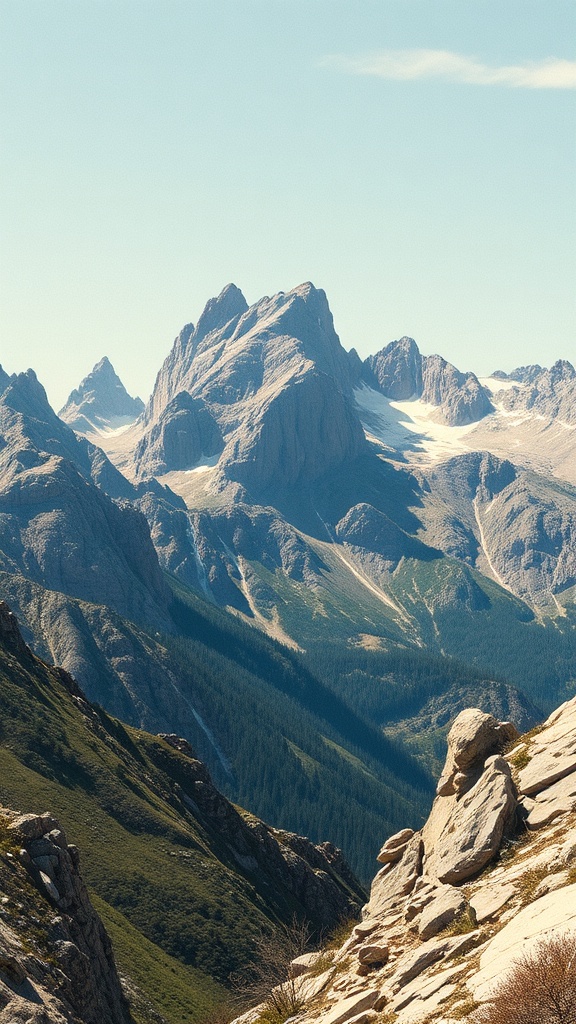
The Rocky Mountains offer some of the most dramatic landscapes in North America — jagged peaks, alpine meadows, and wide river valleys that draw outdoor enthusiasts, photographers, and conservationists. Stretching from northern British Columbia and Alberta through the Rocky Mountain states of the United States, the range is a vital natural corridor for wildlife and a hub for year-round recreation.
What makes the Rockies special
The Rockies combine high-elevation ecosystems, diverse forest types, and distinct alpine environments. Montane forests give way to subalpine and alpine zones as elevation rises, creating habitat variety that supports elk, mule deer, bighorn sheep, mountain goats, black bears, and remnant grizzly populations in certain regions. Many watersheds originate in these mountains, feeding major rivers that supply water for agriculture, cities, and wildlife across large parts of the continent.
Outdoor experiences
Hiking and backpacking: Thousands of miles of trails range from easy day hikes to remote multi-day routes. Popular corridors include national parks and wilderness areas where scenic ridgelines, glacial cirques, and wildflower meadows dominate. Trail conditions can change quickly; be prepared for sudden weather shifts, rocky terrain, and high-altitude exertion.
Climbing and scrambling: The Rockies host a wide array of climbing routes — from technical alpine ascents to moderate scrambles and sport crags lower down. Route planning, proper gear, and knowledge of objective hazards (rockfall, snow cornices) are essential.
Winter sports: Ski areas and backcountry zones offer powder, but avalanche awareness and proper safety equipment (beacon, probe, shovel) are critical for backcountry travel. Many resorts also emphasize guided terrain and avalanche education for guests.
Wildlife and ecosystems
The mountains support rich biodiversity, but species face pressure from habitat fragmentation, human-wildlife conflict, and shifting climate conditions. Alpine plants are adapted to short growing seasons and thin soils, making them especially vulnerable to disturbance.
Corridors that connect lower-elevation valleys with high-elevation habitats are crucial for seasonal migrations and genetic exchange.
Conservation challenges
Climate-driven changes in snowpack and warming temperatures are altering hydrology and the timing of meltwater flows that sustain ecosystems and downstream agriculture.
Glacial retreat and reduced summer streamflows in some basins affect aquatic habitats. Longer, drier fire seasons increase wildfire frequency and severity, reshaping forests and influencing post-fire recovery dynamics.
Invasive species and development pressure in valley bottoms further fragment habitat and challenge wildlife connectivity.
Responsible travel: practical tips
– Check local trail and weather reports before you go; conditions can change rapidly at elevation.
– Practice Leave No Trace principles: pack out all waste, camp at durable sites, and avoid disturbing vegetation.
– Carry bear-aware gear where relevant and know how to store food properly to avoid wildlife attractants.
– Prepare for altitude: ascend gradually, stay hydrated, and know signs of altitude illness.
– Use durable map and navigation tools; cell service is unreliable in many high-country areas.
– Respect seasonal closures and permit requirements to protect sensitive habitats and species.
Get involved
Supporting local conservation groups, trail crews, and public land agencies helps maintain access and protect critical corridors. Volunteer trail days, contributions to restoration projects, or participation in citizen science programs all make a tangible difference.
The Rocky Mountains remain a powerful draw for adventure and reflection. Whether you’re planning a weekend hike, a multi-day backcountry trek, or simply looking to learn more about mountain ecosystems, responsible planning and stewardship ensure these landscapes endure for generations of visitors and native species alike.