Moab’s red-rock country is packed with dramatic scenery, endless outdoor recreation, and clear-night skies that draw photographers, climbers, bikers, and hikers from around the world. Whether you’re aiming for the iconic arches, a technical mountain-bike ride, or a quiet camp under the stars, a little planning makes the experience safer and more rewarding.
Where to go
– Arches National Park: Home to countless sandstone arches and balanced rocks.
Popular trails range from short viewpoints to longer backcountry routes. The Delicate Arch hike is a must-see for first-time visitors; other highlights include the Windows Section and Devil’s Garden.
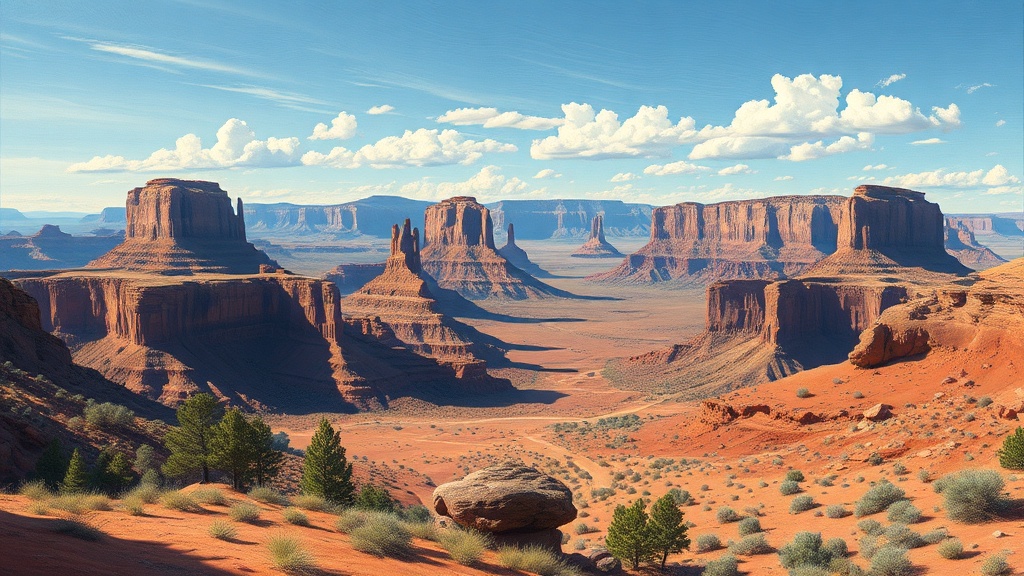
– Canyonlands National Park (Island in the Sky and Needles districts): Offers sweeping overlooks, mesa-edge hikes, and truly remote canyons.
Mesa Arch is a favorite sunrise spot; the Needles offers more technical day hikes and backpacking routes.
– Dead Horse Point State Park and Sand Flats Recreation Area: Dead Horse Point delivers panoramic overlooks and superb stargazing; Sand Flats includes the famous Slickrock area for mountain biking and many off-road routes.
Timing and crowds
Visit early in the morning or late afternoon to avoid midday crowds and harsh light. Sunrise and sunset not only reduce heat exposure but also provide the best photographic conditions. Popular viewpoints fill fast on busy days, and some parks may use timed-entry systems or require reservations when visitation is high—check park alerts before you go.
Essentials to pack
Carry plenty of water (multiple liters per person), sun protection (hat, sunscreen, sunglasses), sturdy shoes, a map or offline GPS, and layered clothing for temperature swings. A basic first-aid kit, headlamp, and emergency whistle are smart additions if you head off-trail or plan an extended outing.
Safety and responsible recreation
– Heat and dehydration are the most common hazards. Plan low-effort activities during the hottest parts of the day and turn back if conditions feel extreme.
– Flash floods can occur rapidly in slot canyons and washes. Never enter narrow canyons if storms are in the area.
– Stay on designated trails and respect fragile cryptobiotic soil and desert vegetation—walking off-trail damages habitat that can take decades to recover.
– Some formations and areas may be closed to climbing or access for resource protection or safety—obey signs and closures.
– Pets are often restricted on trails in national parks; check rules before bringing animals.
Activities and permits
Mountain biking, off-roading, canyoneering, rock climbing, and backcountry camping are major draws. Many special-use activities require permits or day-use fees administered by federal, state, or local agencies. Confirm permit needs, road conditions, and seasonal restrictions with park or land managers before heading out.
Photography and stargazing
The landscape’s red tones and dramatic silhouettes make for exceptional photography during golden and blue hours. For night-sky enthusiasts, some parks and state areas have dark-sky protection and offer phenomenal stargazing; find quiet, safe viewpoints away from road shoulders and bring warm layers.
Leave no trace
Pack out trash, avoid marking or graffiti, and minimize campsite impacts. Popular areas can show rapid wear; small, thoughtful actions help preserve these landscapes for everyone.
Quick plan for a day
Start with an early hike to a signature viewpoint (Arches or Mesa Arch), have a relaxed midday break in Moab, opt for a late-afternoon rim drive or short trail, then head to a designated dark-sky spot for stargazing.
Before you go, check the official park and state park websites for current conditions, alerts, and permit information. With solid planning and respect for the land, Moab’s parks reward visitors with unforgettable scenery and outdoor adventure.