How mining towns reinvent themselves: resilience, reclamation, and new economies
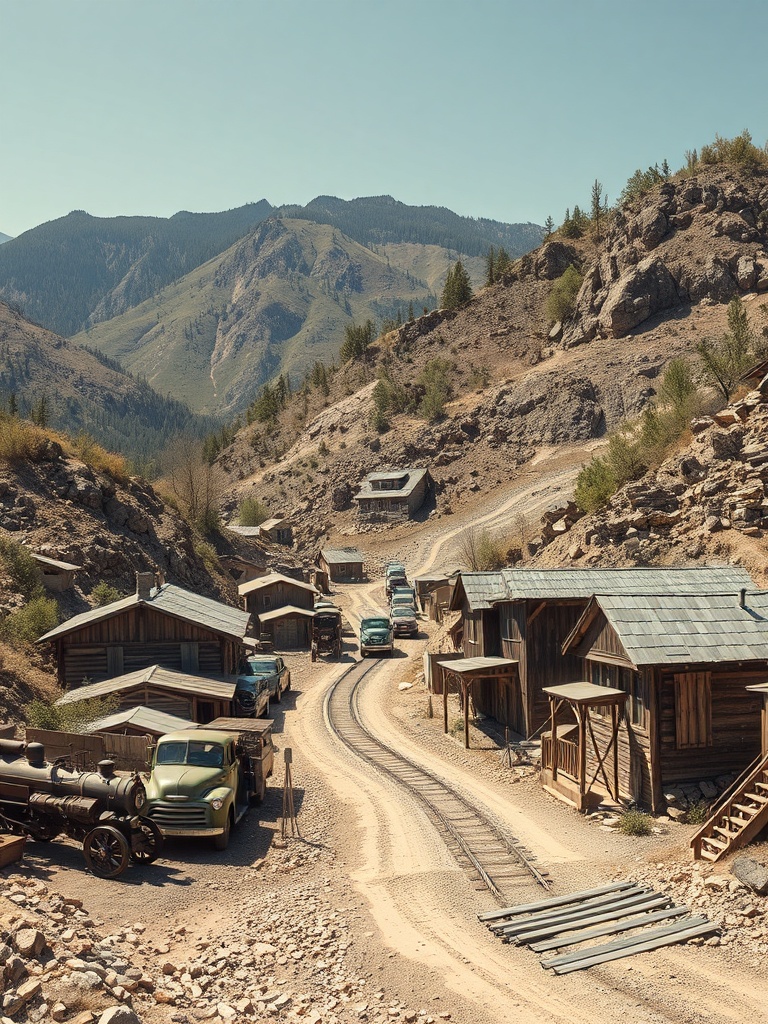
Mining towns are unique places where rugged landscapes, distinct local culture, and industrial legacy intersect. Whether born from a mineral rush or decades of steady extraction, these communities face similar cycles: rapid growth, an era of extraction-based prosperity, and the challenge of transition when mines scale back or close.
Today, many mining towns are redefining what comes next by blending heritage, environmental restoration, and diversified economies.
The character and challenge of mining towns
Tight-knit communities, worker traditions, and built environments tailored to industry give mining towns a strong identity.
At the same time, dependence on a single resource can leave local economies vulnerable to commodity swings, regulatory shifts, or technological change. Physical challenges often include contaminated soils, altered hydrology, and legacy infrastructure that requires careful planning to repurpose.
Paths to reinvention
Successful reinvention tends to follow a few repeated patterns:
– Heritage and tourism: Preserving historic shafts, equipment, and company towns creates draw for visitors. Interpreting mining history through museums, guided tours, and festivals provides income while honoring local stories.
– Environmental reclamation: Reclaiming disturbed land through soil remediation, re-vegetation, and water treatment restores ecosystems and opens sites for recreation or redevelopment. These projects frequently attract public funding and partnerships with environmental groups.
– Economic diversification: New sectors can include renewable energy installations on reclaimed land, light manufacturing, agritourism, outdoor recreation, and technology-enabled remote work. Small-business incubation and targeted training programs help former mine workers transition into new roles.
– Adaptive reuse: Former industrial buildings often become cultural centers, maker spaces, craft breweries, or affordable housing.
Creative design preserves character while meeting contemporary needs.
– Community-led planning: Local leadership, inclusive planning processes, and collaboration with regional governments and Indigenous communities produce more resilient outcomes and reduce conflict over land use and heritage.
Sustainable mining and active towns
For towns that remain active mining centers, adopting more sustainable practices is critical. Modern approaches—such as reduced water use, lower emissions, land restoration commitments, and digital monitoring—help extend the social license to operate. When companies invest in workforce development and community infrastructure, they create shared incentives for long-term prosperity.
Funding and partnerships
Transition projects often rely on blended finance: grants, government programs, private investment, and philanthropic support.
Public–private partnerships can accelerate remediation and redevelopment. Importantly, centering local priorities in funding decisions leads to projects that actually meet community needs.
Opportunities for visitors and entrepreneurs
Mining towns offer opportunities for entrepreneurs seeking lower-cost real estate, distinctive branding tied to heritage, and access to outdoor recreation assets. For visitors, responsible tourism supports local businesses and conservation efforts—especially when operators partner with community organizations to ensure benefits are distributed locally.
A resilient future
The most enduring transitions are built on a vision that blends respect for history with realistic economic planning and environmental stewardship. By focusing on diversified economies, smart reuse of assets, and inclusive planning, mining towns can transform legacy challenges into long-term strengths, maintaining vibrant communities long after minerals have left the ground.