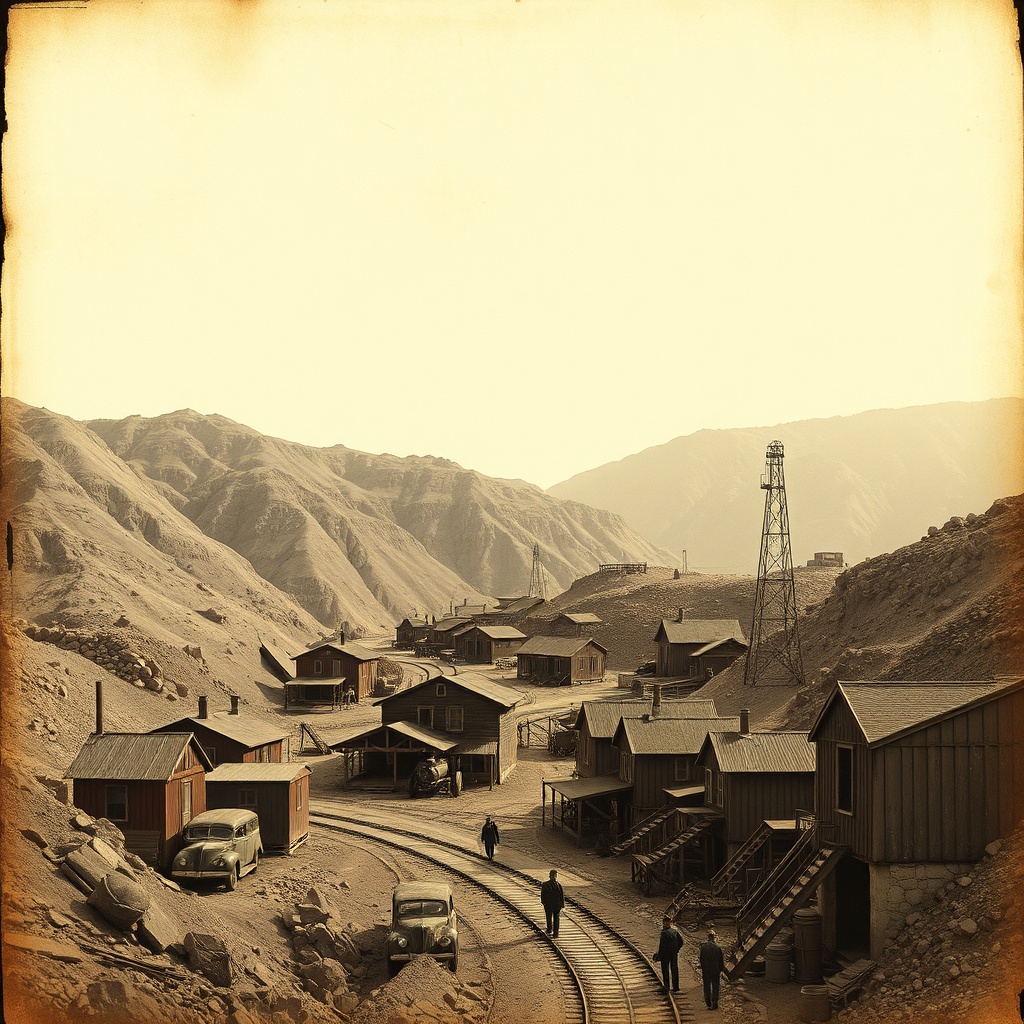
Mining towns carry a distinct character: rugged landscapes, layered histories, and economies tied to the rhythm of extraction. Many of these communities face familiar challenges and exciting opportunities as natural-resource cycles evolve and new technologies reshape how people live and work.
The boom-and-bust pattern is a defining feature. When mineral demand surges, towns expand quickly—housing, businesses, and infrastructure multiply to meet an influx of workers.
When prices fall or deposits deplete, populations shrink, leaving vacant buildings and strained municipal budgets. That cycle has cultural consequences: heritage buildings, local museums, and oral histories become anchors for identity even as economic bases shift.
Heritage tourism is one of the most reliable ways former extraction towns reinvent themselves. Ghost-town tours, restored mine sites, and interpretive trails turn industrial pasts into visitor experiences that generate revenue while preserving stories. Successful programs balance preservation with safety and environmental stewardship, partnering with historians, Indigenous communities, and conservation groups to ensure authenticity and respect.
Environmental remediation and reclamation are central concerns. Abandoned mines can pose water-quality, soil contamination, and public-safety risks.
Modern remediation practices emphasize returning land to productive uses—wetlands, recreation areas, or renewable-energy sites—while monitoring long-term ecosystem health. Funding for cleanup often blends public grants, industry bonds, and nonprofit support; communities that secure diverse funding streams can transform liabilities into assets.
Adaptive reuse of industrial infrastructure is another avenue for revitalization. Old warehouses become breweries, art studios, or co-working spaces; rail lines convert to trails that connect to regional recreation networks; processing buildings become educational centers. Adaptive projects that retain industrial character while updating utility and safety attract entrepreneurs and remote workers who value authenticity and lower cost of living relative to urban centers.
Economic diversification is essential. Relying on a single commodity leaves towns vulnerable to market swings. Practical strategies include:
– Investing in broadband and transport to attract remote professionals and small businesses.
– Promoting outdoor recreation—hiking, hunting, mountain biking, fishing—that leverages natural assets.
– Supporting small-scale manufacturing, craft industries, and value-added agricultural enterprises.
– Creating training and certification programs that transition mining skill sets into renewable energy, reclamation, and construction sectors.
Social cohesion and housing policy matter.
Rapid population changes can strain schools, health services, and housing stock.
Proactive planning—zoning that encourages mixed-income housing, incentives for affordable rentals, and partnerships with regional service providers—helps stabilize communities. Engaging residents in planning builds trust and aligns projects with local priorities.
Partnerships with Indigenous nations are increasingly recognized as essential. Collaborative economic development, shared stewardship of lands, and culturally informed tourism create more equitable outcomes. These partnerships often enrich visitor experiences by foregrounding Indigenous histories and contemporary perspectives that were historically overlooked.
Finally, storytelling is a powerful tool. Well-crafted narratives that highlight resilience, innovation, and place-based culture attract visitors, residents, and investors.
Digital platforms, local media, and regional tourism campaigns amplify those stories at low cost.
Mining towns are not bound to a single fate.
With intentional planning, investment in people and infrastructure, and respect for environmental and cultural legacies, these communities can pivot from extraction-only pasts toward diversified, resilient futures that honor their roots while embracing new opportunities.