Navajo art is a living, evolving tradition that blends deep cultural meaning with exceptional craftsmanship. Often identified by bold geometry, rich textures, and striking silverwork, Navajo — or Diné — art stretches from classic handwoven rugs and blankets to intricate jewelry, sandpainting, painting, and contemporary mixed media. Each piece carries layers of history, identity, and skill passed down through families and communities.
The central pillar of Navajo visual culture is weaving.
Handspun wool, once dyed with locally sourced vegetal dyes and later with commercial dyes, is woven on upright looms to create strong, tactile textiles. Classic styles range from simple utilitarian blankets to highly collectible rugs featuring complex patterns such as the “eye-dazzler” and chief-style designs. Weaving techniques and motifs often signal a weaver’s clan background or regional style, and finely woven pieces can take weeks to months to complete.
Silver and turquoise jewelry is another cornerstone.
Navajo silversmithing introduced bold, stamped silverwork and inlay techniques, with turquoise remains a signature gemstone. Contemporary metalsmiths continue to experiment with sterling, mixed metals, and unconventional stones while honoring traditional stamp work, channel inlay, and overlay styles.
Because jewelry motifs can carry cultural meaning, look for artists who explain their symbolism and practice cultural protocols responsibly.
Sandpainting and ceremonial art are profoundly sacred within Navajo culture.
Sandpaintings are traditionally created as temporary ritual elements and are not intended for commercial sale or reproduction without community consent.
It’s important to respect these boundaries and avoid purchasing objects that appropriate ceremonial imagery. Many artists intentionally adapt motifs for public art while maintaining their sacred context.
Authenticity matters for cultural preservation and buyer confidence.
Federal law protects Native-made arts, and reputable sellers will be transparent about artist identity, materials, and provenance. Look for artist signatures, hallmarks, documentation, and items sold through Native-owned galleries, tribal craft cooperatives, or trusted dealers who work directly with Diné artists. Supporting direct sales helps ensure fair compensation to artists and strengthens community economies.
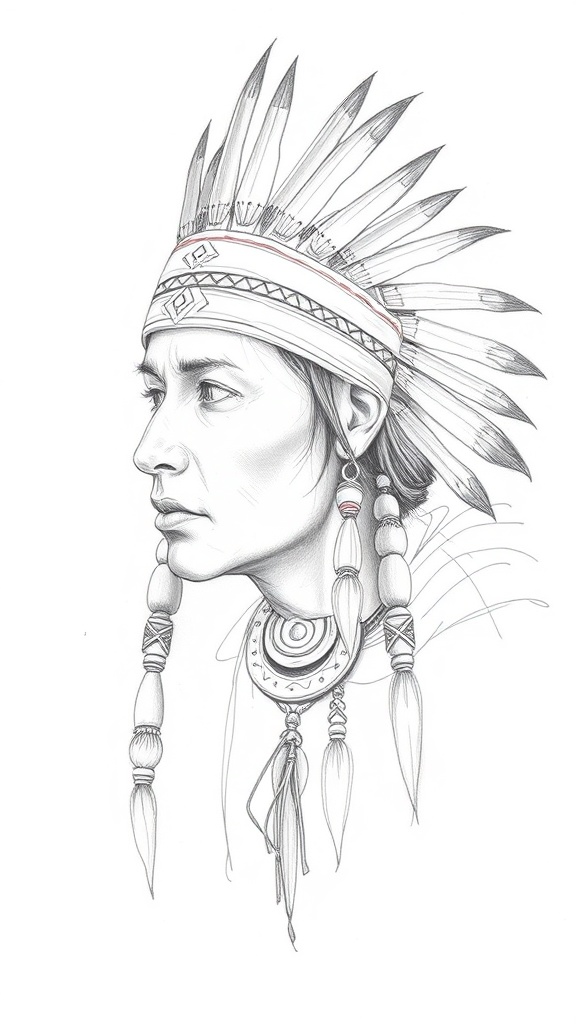
The contemporary Navajo art scene blends tradition with innovation.
Artists are incorporating sustainable practices, experimenting with new materials and scales, and translating traditional motifs into painting, printmaking, and installation work. Online platforms and social media have expanded visibility, making it easier to discover artist-run shops and virtual exhibitions while still emphasizing ethical purchasing and cultural respect.
If you’re collecting or caring for Navajo textiles and jewelry, follow a few practical tips: avoid prolonged exposure to direct sunlight and humidity, store textiles flat or rolled with acid-free paper, keep silver jewelry in anti-tarnish pouches, and seek conservators for valuable or fragile pieces.
For cleaning, use gentle, dry methods whenever possible and consult professionals for significant stains or structural issues.
Supporting Navajo art means more than acquiring beautiful objects — it’s about recognizing living culture, honoring artistic protocols, and investing in artists and communities. Seek out artist statements, attend exhibitions at museums and cultural centers that collaborate with Diné artists, and buy directly when possible. These actions help sustain traditions while encouraging the creativity that keeps Navajo art vibrant and relevant for generations to come.