Yellowstone remains one of the planet’s most intriguing landscapes, where bubbling thermal features, wide-open valleys and iconic wildlife create an experience unlike any other. Whether planning a first visit or returning for a deeper look, understanding what makes Yellowstone special—and how to enjoy it responsibly—will make the trip safer and more memorable.
Why Yellowstone matters
The park sits atop a massive volcanic system that fuels hundreds of geysers, hot springs and fumaroles.
These geothermal features form vibrant palettes and steam-scored terraces that are fragile and easily damaged.
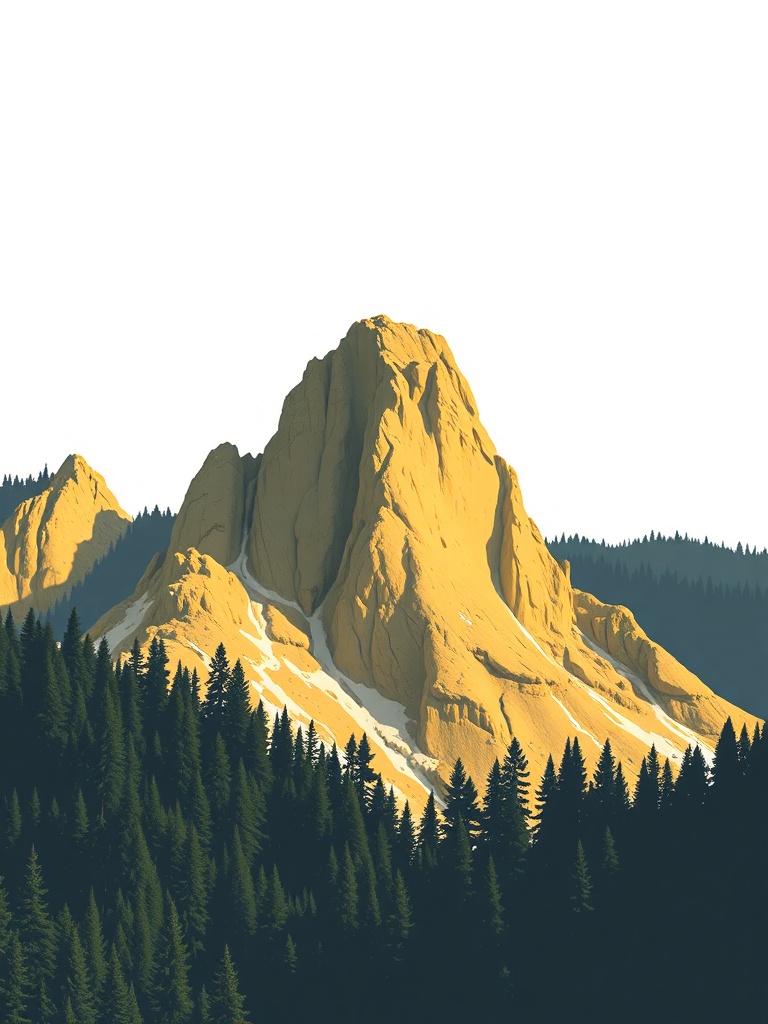
Beyond the springs, Yellowstone’s mosaic of rivers, lakes and forests supports elk, bison, wolves, grizzly bears and countless bird species, making it a top destination for wildlife viewing and nature photography.
Must-see geothermal highlights
– Old Faithful: Famous for regular eruptions, this geyser anchors the Upper Geyser Basin where boardwalks lead past numerous active features.
– Grand Prismatic Spring: Renowned for its striking colors and scale; viewpoints make the contrast between azure center and rainbow edges dramatic.
– Mammoth Hot Springs: Terraced limestone formations create a surreal, ever-changing landscape.
– Norris and Lower Basins: Each basin offers different thermal activity and landscapes worth exploring.
Safety and etiquette
– Stay on designated trails and boardwalks: Thermal areas are deceptively thin-crusted and dangerously hot beneath the surface. Most serious injuries happen when visitors step off trails.
– Respect wildlife: Observe from a distance and never approach or feed animals. Use a telephoto lens or binoculars for close views. Wild animals can be unpredictable; give them space and time to move.
– Carry bear spray and know how to use it: Hikers should travel in groups, make noise in dense vegetation, and store food in approved containers at night.
– Follow park regulations for pets and drones: Pets are limited to developed areas and must be leashed; drones are generally prohibited to protect wildlife and visitor experience.
– Plan for limited services: Cell coverage is sparse; carry maps, water and supplies, and check official park alerts before setting out.
Best practices for photographers
– Shoot early or late for softer light and fewer crowds.
– Use a long lens for wildlife and a wide lens for sweeping geothermal vistas.
– Protect gear from steam and mineral spray—wipe lenses frequently and avoid setting equipment directly on wet ground.
– Respect other visitors and park rules when composing shots; never step off a boardwalk for a better angle.
Conservation and monitoring
Yellowstone’s remarkable features are actively monitored by park scientists and earth-system experts. Research focuses on seismic activity, geothermal changes, wildlife populations and fire ecology. Visitors play a critical role in conservation: staying on trails, packing out trash and following wildlife guidelines preserves the park for future generations.
Planning tips
Reserve lodging and popular parking early, arrive at major attractions outside peak hours when possible, and build flexibility into itineraries—road or weather conditions can change plans. Check official park resources for current alerts, trail closures and safety updates before heading out.
Yellowstone rewards patience and respect. With careful preparation and a low-impact mindset, visitors can experience geysers that steam like living sculptures, watch herds roam broad meadows, and leave knowing they helped protect one of Earth’s most extraordinary places.