Montana fishing is a promise of wild water, big skies, and trout-rich rivers that reward patience and presentation. Anglers come for cutthroat, rainbow, brown, and brook trout — and leave with memories of rising fish, delicate dry-fly takes, and long drifts through meadow-lined runs.
Whether you chase technical hatches on famous tailwaters or troll deep reservoirs for aggressive trout, Montana delivers varied water and seasons that suit every style.
Where to go and what to expect
Headwater freestones like the Madison and Gallatin offer classic fast water and technical nymphing opportunities. Tailwaters below dams, such as the famous large-river fisheries, produce predictable hatches and large trout that respond well to both dry-fly and nymph tactics. Lakes and reservoirs present a different challenge: look for structure, deep drops, and thermoclines when targeting larger trout with sinking lines or trolling setups. Stillwater fly fishing for rising trout around emergent weed beds is a relaxed, rewarding option when hatches are active.
Tactics that work
– Dry flies: During steady hatches, perfect your drift. Match size and silhouette, keep drag-free presentation, and mend early to stay in touch with the current.
– Nymphs: Most trout feed subsurface more often than not. Indicator rigs, Euro-nymphing, and weighted patterns can produce consistent results in faster current and deeper runs.
– Streamers: When fish are aggressive or chasing baitfish, long, erratic strips will trigger strikes from larger browns and rainbows.
– Stillwater tactics: Cast to visible risers or use sinking-tip lines to reach suspended trout. Vary retrieve speed and pause cadence until you find what triggers strikes.
Gear and handling
A 4- to 6-weight rod suits most river situations; heavier rods help when casting larger streamers or fighting big fish in current. Use barbless hooks for quicker, safer release.
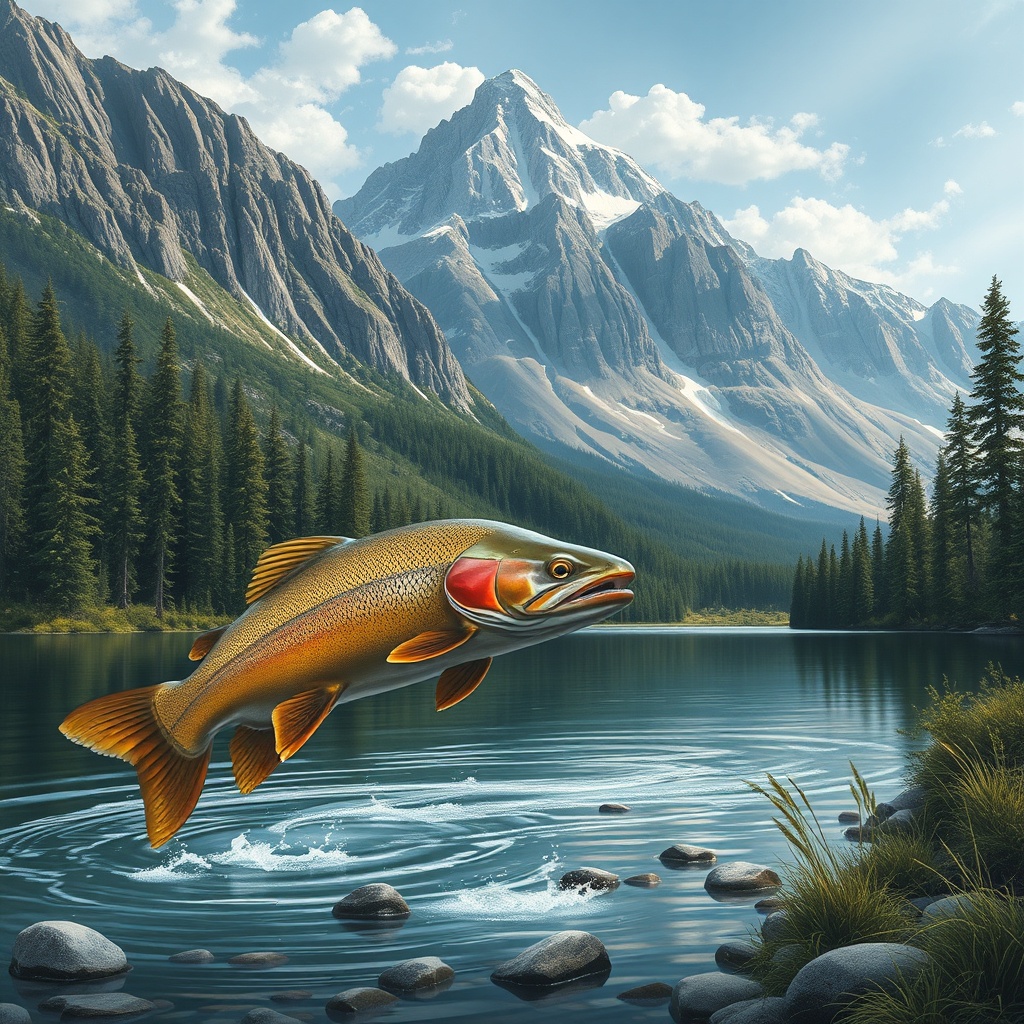
Handle trout with wet hands, minimize air exposure, and support the fish horizontally when releasing. If water is warm or fish are heavily exhausted, spend extra time reviving them facing into the current until they swim away strongly.
Conservation and regulations
Montana fishing thrives when anglers respect habitat and rules. Check local regulations before you fish — boundaries, special restrictions for native cutthroat protections, and seasonal closures can change based on river conditions and conservation needs. Practice catch-and-release for trophy waters and be mindful of protected fish populations. Clean and dry gear between water bodies to prevent the spread of invasive species and pathogens.
Timing and safety
River levels fluctuate with runoff and precipitation; flows affect wading safety and where fish feed. Fish colder water temperatures early and late in the day during warm periods, and seek deeper seams when surface activity is low. Always wear a personal flotation device when wading or boating, and tell someone your route if you’re exploring remote waters.
Local knowledge matters
Stop by a local fly shop or hire a guide for the best chance at unfamiliar waters. Shops provide current hatch information, access updates, and often offer flies and flies patterns tailored to what trout are eating right now.
Montana fishing rewards curiosity and respect: read the water, match the hatch, handle fish gently, and you’ll find that the state’s rivers and lakes consistently deliver unforgettable angling experiences.