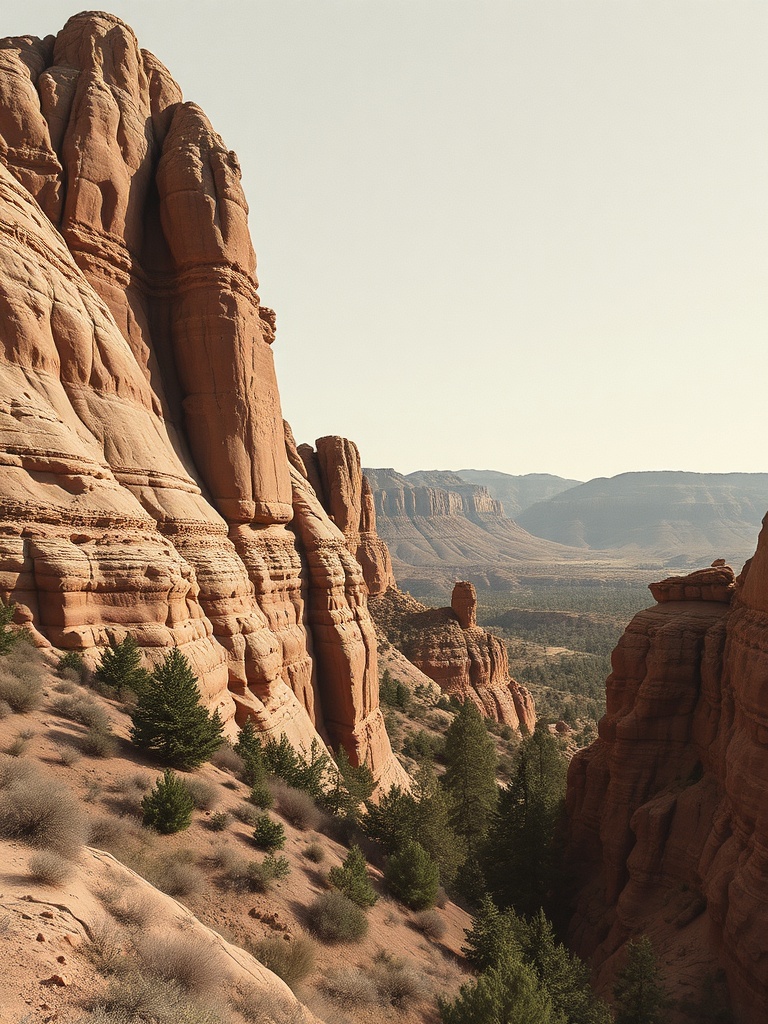
Utah’s national parks and public lands draw millions of visitors for good reason: dramatic red-rock canyons, towering sandstone formations, and a wide variety of trails for every ability. With growing interest in outdoor travel, it’s more important than ever to plan smart and visit responsibly so these landscapes remain vibrant for everyone.
Why responsible travel matters
Heavy foot traffic, social-media-driven hotspots, and off-trail wandering can damage fragile desert soils and cryptobiotic crusts that take decades to recover. Water is scarce across much of the state, weather can shift quickly, and cell service is often limited. Planning ahead reduces stress, improves safety, and minimizes impact on fragile ecosystems.
Practical tips for visiting Utah’s parks
– Plan ahead: Check official park websites or visitor centers for alerts, trail closures, timed-entry systems, and permit requirements. Popular trails can reach capacity, so reservations or permits may be necessary for certain hikes or scenic areas.
– Time your visit: Beat crowds by arriving at dawn or exploring later in the afternoon. Midweek visitation is usually gentler than weekends. Consider visiting lesser-known areas and nearby state parks to spread the load.
– Respect trail etiquette: Stay on designated trails, avoid short-cuts, and follow signage. Fragile soils and cryptobiotic crusts help retain moisture and support native plants; disturbing them accelerates erosion and habitat loss.
– Pack water and layers: High desert environments demand sun protection and hydration.
Carry more water than you think you’ll need, wear layered clothing for temperature swings, and pack a basic first-aid kit and navigation tools.
– Prepare for weather hazards: Flash floods can occur in slot canyons and narrow washes. Check weather forecasts and avoid narrow canyons if storms are possible. Snow and ice can linger at higher elevations; traction devices may be required.
– Know your limits: Choose hikes that match your fitness and technical ability. Turn back when conditions change or you feel unsafe.
Let someone know your plans, especially for remote or multi-day outings.
– Leave No Trace: Pack out all trash, minimize campfire impacts where fires are allowed, and avoid feeding wildlife. Use established campsites and follow guidelines for human waste disposal in backcountry areas.
– Respect rules on drones and pets: Drones are generally restricted in national parks and can disturb wildlife and other visitors. Pets are often limited to developed areas and short trails—check park-specific policies before bringing animals.
– Support local communities: Stay in nearby towns, shop local guides and outfitters, and dine at regional restaurants. Spreading visitor spending helps sustain communities that steward public lands.
Safety and logistics
Navigation apps can be helpful, but don’t rely solely on cell service. Carry paper maps or offline GPS, and be comfortable with basic orienteering.
For multi-day trips or technical routes, consider hiring a certified guide or joining a guided trip to reduce risk.
Enjoying quieter alternatives
Utah has an extensive network of state parks, BLM lands, and wilderness areas that offer solitude without the crowds of the most famous spots. Exploring these lesser-known places reduces pressure on the major parks while still delivering spectacular scenery.
Visiting Utah’s remarkable landscapes comes with responsibility. With thoughtful planning, respect for fragile environments, and a focus on safety, you can enjoy unforgettable experiences while helping protect these places for future visitors.