Yellowstone: geothermal wonders, wildlife etiquette, and how to make the most of a visit
Yellowstone National Park is a showcase of raw geologic power and thriving wildlife that draws curious travelers and nature lovers. From brilliantly colored hot springs to steam-spewing geysers and vast herds of bison, the park offers dramatic sights and timeless lessons about ecology and conservation. Knowing what to look for and how to behave helps protect both visitors and the fragile features that make Yellowstone unique.
Geothermal marvels and how they work
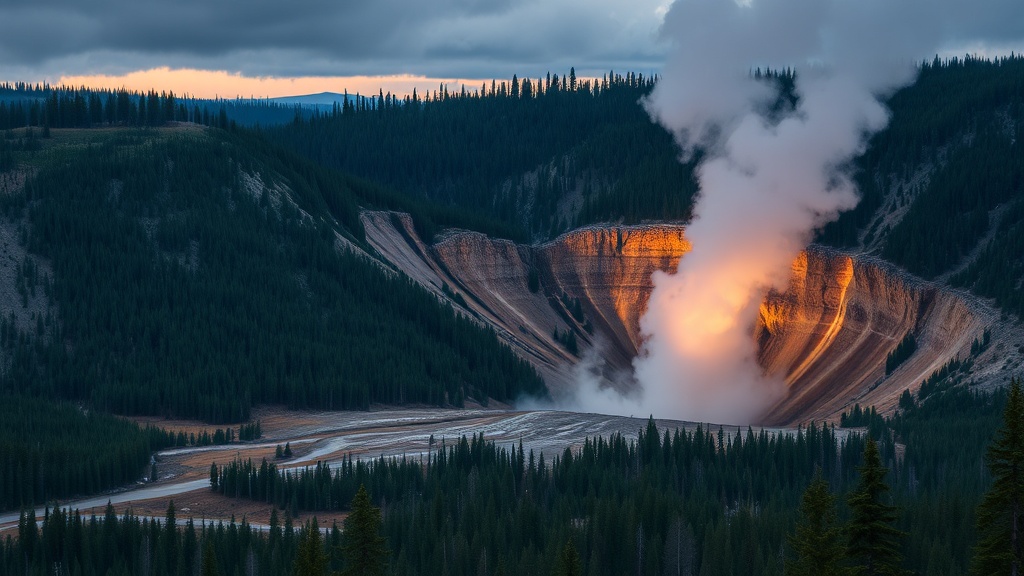
The park sits atop a powerful hydrothermal system. Groundwater heated by underground magma produces the familiar steam vents, bubbling mud pots, hot springs, and geysers. Colors in springs like the Grand Prismatic arise from heat-loving microbes whose pigments change with temperature, creating vivid rings.
Geysers depend on underground plumbing—changes in water pressure, mineral deposition, or seismic activity can alter their behavior, which is why scientists continuously monitor earthquakes, ground deformation, and gas emissions to understand the system’s dynamics.
Wildlife viewing: respect and distance
Yellowstone’s mammals are often the highlight for visitors, but close encounters can be dangerous. Maintain safe distances: stay at least 100 yards from bears and wolves, and at least 25 yards from other wildlife. Use binoculars or a telephoto lens to observe animals without disturbing them.
Never approach calves, sick or injured animals, or animals that are clearly alert to your presence. Bison, in particular, can run faster than humans and may behave unpredictably if people get too close.
Boardwalks and thermal area safety
The fragile crust over thermal features can be thin and dangerously hot. Always stay on designated boardwalks and trails in thermal basins—venturing off-trail risks severe burns and damages delicate microbial communities.
Signs and railings are there for your safety and the preservation of these geyser basins.
Practical tips for a better visit
– Timing: Early morning and late afternoon often provide softer light for photography and quieter wildlife viewing.
– Layers: Weather can change rapidly; dress in layers and be prepared for sun, wind, and sudden chills.
– Bear spray: Carry bear spray where recommended, know how to use it, and keep it accessible—don’t store it in a backpack that’s hard to reach.
– Leave No Trace: Pack out trash, avoid feeding wildlife, and follow all posted regulations to minimize human impact.
– Driving: Expect slow-moving traffic near popular viewing areas; pull safely to designated turnout areas for viewing or photography.
– Stay informed: Check park alerts before and during a visit for trail closures, thermal area advisories, and wildlife activity.
Photography pointers
For dramatic geothermal shots, use a polarizing filter to reduce glare on water surfaces and enhance color saturation. Wide-angle lenses capture sweeping thermal basins, while a telephoto lens isolates wildlife at a safe distance.
Be mindful of volatile steam and wind direction—standing downwind can reduce exposure to noxious gases.
Why Yellowstone matters
Beyond the spectacle, Yellowstone functions as a living laboratory for geology and ecology. Its geothermal systems teach about Earth’s internal processes; its wildlife dynamics show how species and habitats are interconnected.
Visiting responsibly helps preserve the park’s values for future visitors and supports ongoing conservation and scientific efforts.
Experience Yellowstone with curiosity and caution, and you’ll leave with unforgettable memories—and the knowledge that you helped protect one of the planet’s most singular landscapes.