Yellowstone’s living landscape draws visitors for a reason: steaming geysers, neon bacterial mats, roaming bison and an unrivaled sense of wilderness. Whether you’re planning a first visit or returning for more exploration, understanding how to experience the park safely and responsibly makes your trip richer and protects fragile ecosystems.
Why Yellowstone is special
Yellowstone sits on a vast volcanic system, which fuels its geothermal features. Hot springs, geysers and fumaroles are surface expressions of deep geological heat. Many thermal features look inviting but are dangerous—thin crust and scalding water can cause severe injury or worse.
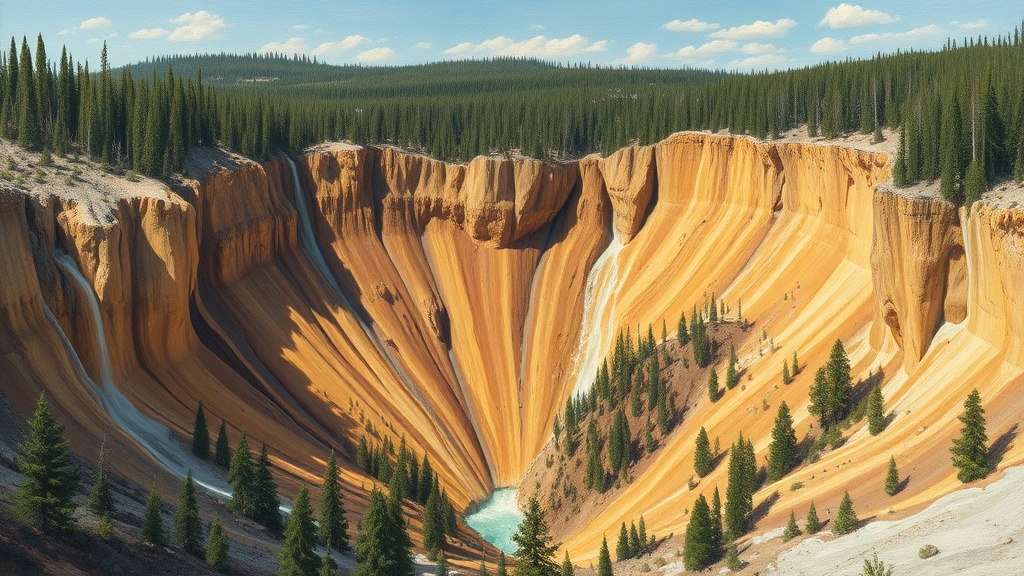
The park’s wildlife, from bison to grizzly bears, are wild animals with unpredictable behavior; observing from a distance protects both people and animals.
Essential safety and etiquette
– Stay on designated boardwalks and trails around thermal areas. They protect fragile ground and keep visitors safe from boiling water and fragile crust.
– Keep at least 25 yards (23 meters) from bison and elk; allow 100 yards (91 meters) between you and bears or wolves. Use binoculars or a telephoto lens for close-up views.
– Never feed wildlife. Human food alters animal behavior and can create dangerous situations that may result in wildlife being relocated or euthanized.
– Pack out trash and follow Leave No Trace principles. Even small actions like picking a wildflower can damage the ecosystem.
– Avoid approaching newborn animals. Mothers are highly protective and encounters can escalate quickly.
Top experiences and how to approach them
– Geyser basins: Visit early morning or later in the afternoon to avoid crowds and capture better light for photos. Follow posted information about predicted eruptions and remember that predictions are estimates, not guarantees.
– Old Faithful and iconic geysers: These are bucket-list sights, but don’t stop at the famous features—explore nearby lesser-known basins for quieter, equally fascinating thermal displays.
– Wildlife viewing: Dawn and dusk are prime times.
Park at pullouts or designated viewing areas rather than stopping in travel lanes. Use a spotting scope or binoculars for safe observation.
– Backcountry and hiking: Obtain necessary permits before overnight trips and carry a map, compass or GPS. Be bear-aware: carry bear spray and know how to use it; store food in approved containers at campsites.
Photography and timing tips
– Golden hour adds depth to thermal colors and landscape features—aim for early morning or late afternoon for dramatic images.
– Use a polarizing filter to reduce glare on hot springs and enhance the contrast of bacterial mats without altering colors.
– Respect signs and other visitors when positioning for shots; long lenses help get detailed images without encroaching on fragile areas or wildlife.
Practical planning tips
– Expect variable weather and dress in layers; conditions can change rapidly in high-elevation landscapes.
– Fuel and supplies are limited near the park—top up before entering and carry spare water and snacks.
– Be prepared for limited cell service; download maps and resources in advance and leave an itinerary with someone who’s not traveling with you.
Yellowstone rewards patience and respect.
By prioritizing safety, minimizing impact, and learning a little about the park’s geology and wildlife behavior before you go, you’ll create memorable experiences that help preserve this living landscape for the next visitor.