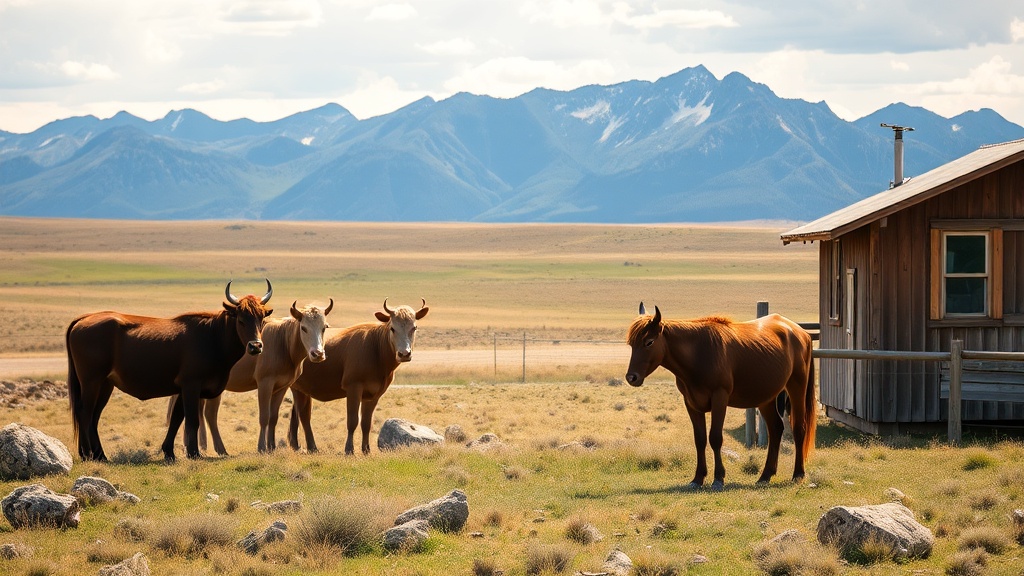
Wyoming ranches capture a unique blend of wide-open landscapes, working agriculture, and outdoor adventure. Whether pursued as a full-time cattle operation, a seasonal guest ranch, or a conservation-focused property, ranch ownership in Wyoming offers a mix of tradition and modern opportunity.
Why Wyoming ranches stand out
– Vast public lands and scenic diversity: Many properties border or have access to Bureau of Land Management and Forest Service allotments, expanding grazing options and recreational value. High plateaus, river valleys, and mountain basins create varied forage and habitat for livestock and wildlife.
– Strong western heritage: Ranching practices, from low-stress cattle handling to saddle-work and seasonal grazing rotations, remain central to daily life. This cultural authenticity appeals to buyers, tourists, and conservation partners.
– Recreational draw: Rivers for fly-fishing, elk and mule deer country for hunters, and miles of trails for horseback riding or ATV use make ranches attractive for guest operations and family retreats.
Modern ranching realities
Ranch management now blends time-honored skills with practical technologies.
Remote monitoring tools, low-stress livestock handling equipment, and precision feeding systems help improve animal health and labor efficiency. Renewable energy—solar arrays and microgrid systems—reduces operating costs in remote locations and supports off-grid amenities for guests.
Conservation and financial strategies
Conservation easements are commonly used to preserve open space, protect working lands from development, and secure tax advantages while keeping ranching activity viable. Partnering with local land trusts or conservation organizations can open funding pathways for habitat restoration, riparian fencing, and native grass reseeding. Diversification is also essential: many ranches add revenue through hunting leases, short-term rentals, guest ranch stays, wedding/event hosting, and film-location work.
Navigating grazing and water issues
Water rights and grazing permits are core considerations. Confirm surface and groundwater rights, irrigation infrastructure, and historical diversion use when evaluating a property. For allotments on public lands, understand permitted animal units, seasonal dates, and permit transferability. Healthy riparian zones and reliable water sources directly affect forage quality and long-term carrying capacity.
Buying or investing in a ranch: practical tips
– Work with a broker who specializes in western ranch properties and understands local land-use rules.
– Conduct soil, forage, and water availability assessments to estimate carrying capacity and infrastructure needs.
– Inspect fencing, handling facilities, barns, and access roads for repair costs.
– Review government grazing permits, conservation easements, and mineral rights to understand restrictions and revenue potential.
– Consider accessibility for guests and proximity to local markets or processing facilities if running a commercial cattle operation.
Experiencing a ranch without buying
Guest ranches and dude ranches offer authentic stays that combine ranch chores, riding, fishing, and relaxation. Volunteering or seasonal work-trade programs provide hands-on experience for those considering a future transition to ranch life. Agritourism also allows visitors to support local economies while learning about sustainable land stewardship.
Wyoming ranches remain a compelling mix of livelihood, lifestyle, and landscape stewardship. Whether managing cattle across remote pastures, hosting guests by a mountain river, or investing in conservation-minded ranchland, success depends on blending practical ranch management with strategic planning and respect for the land.