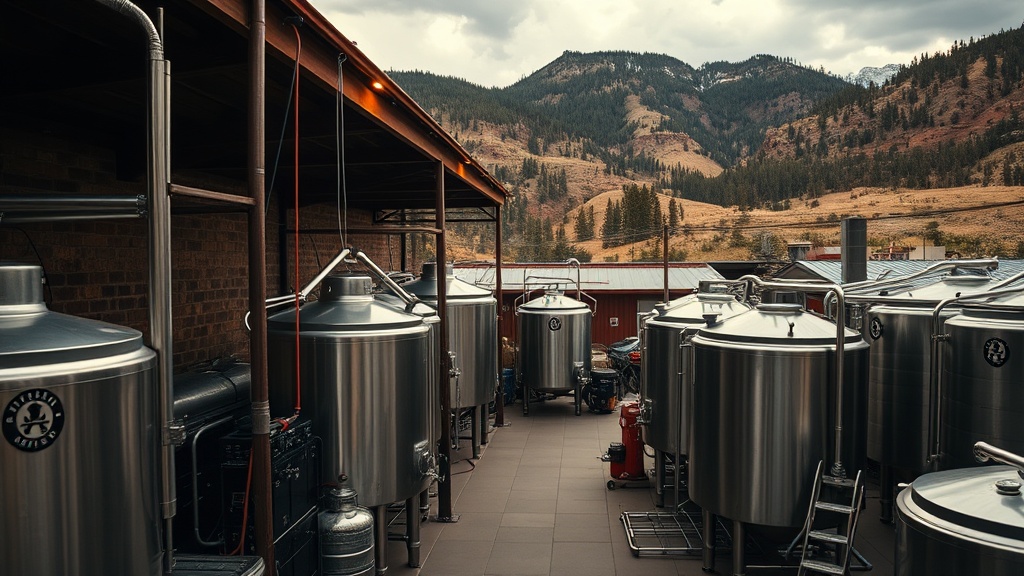
Colorado breweries offer one of the most dynamic craft-beer scenes anywhere, blending mountain-inspired creativity with serious brewing know-how. From lively taprooms along the Front Range to small-batch breweries on the Western Slope and alpine brewpubs that pair perfectly with outdoor recreation, the state’s beer culture is diverse, community-driven, and constantly evolving.
What makes Colorado beer unique
– High-altitude brewing: Many Colorado brewers tweak recipes and processes to account for altitude—adjusting mash temperatures and carbonation levels to get consistent results. Expect crisp lagers and full-flavored ales that reflect careful technical craft.
– Rocky Mountain ingredients: Local barley, orchard fruit from the Western Slope, and regionally grown hops often show up in seasonal releases. Water profiles vary by location, and brewers manipulate mineral content to match the style they’re targeting.
– Style variety: You’ll find everything from hazy New England–style IPAs and bright kettle sours to barrel-aged stouts and farmhouse ales. Barrel programs and collaboration beers are popular ways breweries experiment with flavor and aging.
Where to go and what to do
– Taproom hopping: Many breweries focus on taproom experience—offerings include curated flights, rotating taps, and food partnerships with local kitchens or visiting food trucks. Taproom-only releases and crowlers/cans to-go are common.
– Brewery trails: Regional brewery trails make it easy to plan a day of sampling. Front Range cities offer dense clusters of brewpubs and tasting rooms, while smaller towns often feature standout single-location breweries worth the drive.
– Tours and events: Look for scheduled brewery tours, tap takeovers, trivia nights, and live music. Seasonal festivals and collaboration showcases provide a way to sample limited-release beers and meet local brewers.
Sustainability and community focus
Many Colorado breweries prioritize sustainability—water conservation, solar panels, waste-minimizing packaging, and partnerships with local farms. Community support is a central value: breweries often host fundraisers, sponsor outdoor cleanups, and work with nonprofit partners.
Practical tips for visiting breweries
– Try a flight: Sampling several small pours is the best way to find what you like without committing to a full pint.
– Check release and reservation policies: Popular taprooms may limit capacity or require reservations for groups and tours. Online menus and social channels usually list daily tap offerings.
– Bring layers and plan transportation: Outdoor patios are a big draw. Weather can shift quickly in mountain regions; ride-share or a designated driver keeps things safe.
– Ask about food pairings: Many breweries either have a kitchen, rotating food trucks, or strong local restaurant partnerships.
Pairing lighter lagers with salads and hoppier ales with richer dishes enhances the experience.
– Support small-batch and taproom-only beers: These often showcase a brewer’s creativity and don’t make it into broad distribution.
Why it’s worth exploring
Colorado breweries offer a combination of technical brewing mastery and local personality. Whether you’re chasing a specific style, following a seasonal sour program, or looking for a cozy mountain taproom after a hike, the state delivers beer experiences that reward curiosity. For locals and visitors alike, spending an afternoon on a brewery tour is as much about community and place as it is about the beer.