Montana fishing lives up to its reputation for big water, wild trout, and unforgettable scenery.
Whether you’re planning a first-time trip or refining your seasonal strategy, knowing where to go, what to target, and how to conserve these fisheries will make the difference between a good day and a great one.
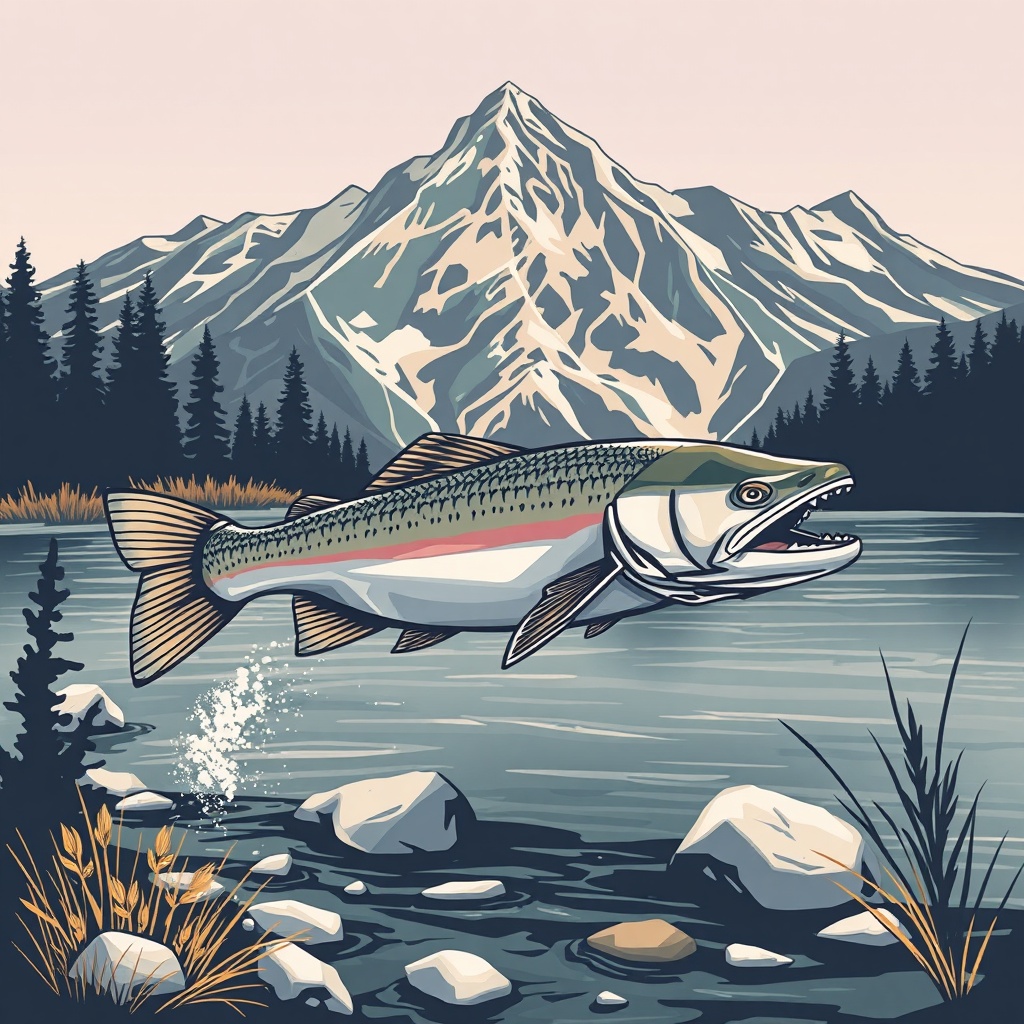
Where to fish
– Rivers: The Madison, Yellowstone, Missouri, Gallatin and Bighorn rivers are perennial draws for trout anglers. Each river offers different experiences—technical dry-fly water, nymph-rich runs, and long drift-fishing float stretches. Smaller freestone streams and high-country creeks are ideal when you want solitude and wild trout.
– Lakes and reservoirs: Flathead Lake and other large waters hold lake trout, kokanee and mountain whitefish.
Many reservoirs are great for walleye, northern pike and bass, especially when shoreline structure and drop-offs concentrate fish.
– Backcountry: Alpine lakes and remote streams reward hikers with native cutthroat and brook trout.
These areas often require primitive camping and careful leave-no-trace practices.
Species to target
Trout dominate the scene, including rainbow, brown, brook and cutthroat.
Bull trout are a native species present in some waters and often protected by special regulations—respect closures and handling rules.
For anglers who prefer warmwater species, walleye, northern pike and smallmouth bass offer aggressive action in many lakes and reservoirs.
Tactics and gear
– Fly fishing: A 4–6-weight rod covers most trout water; have a selection of nymphs, dry flies and streamers. Euro-nymphing and indicator nymph rigs both produce; switch tactics when fish become selective. Summer hopper-dropper rigs and streamer strips are classic hits.
– Spin fishing: Small spinners, sinking flies, spoons and soft plastics work well from shore and boat. For larger reservoirs, trolling spoons and downriggers can locate suspended lake trout and kokanee.
– Seasonal strategy: Spring runoff can make rivers high and colored—look to tailwaters and calmer tributaries. Late season cooling prompts aggressive feeding before seasonal transitions. Ice fishing is productive on many lakes when safe ice conditions exist.
Catch-and-release and ethics
Handle fish minimally: wet hands or a wet cloth, remove the hook in the water when possible, and avoid keeping fish out of the water. Barbless hooks reduce injury and make releases faster. Practice low-impact angling: pack out all trash, stay on established access points, and respect private land and posted signs.
Conservation priorities
Aquatic invasive species are a serious threat. Follow the clean-drain-dry protocol for boats, gear and waders; never transport live bait between waters. Be aware that certain waters may have gear or bait restrictions to protect native populations and limit disease spread. Check local regulations and advisories before hitting the water.
Planning and permits
A fishing license is required for most anglers; some rivers and floatable sections may have additional access or permit rules. Local fly shops and guide services are valuable resources for current streamflow, hatch activity and access tips—supporting them also helps sustain the local angling economy.
Final tip
Match your approach to the water and the hatch. Observe insects, watch fish behavior, and be willing to change presentation. With respect for regulations and habitat, Montana fishing delivers both trophy opportunities and peaceful days on the water. Always verify current regulations and access info before you go to ensure a legal and responsible trip.