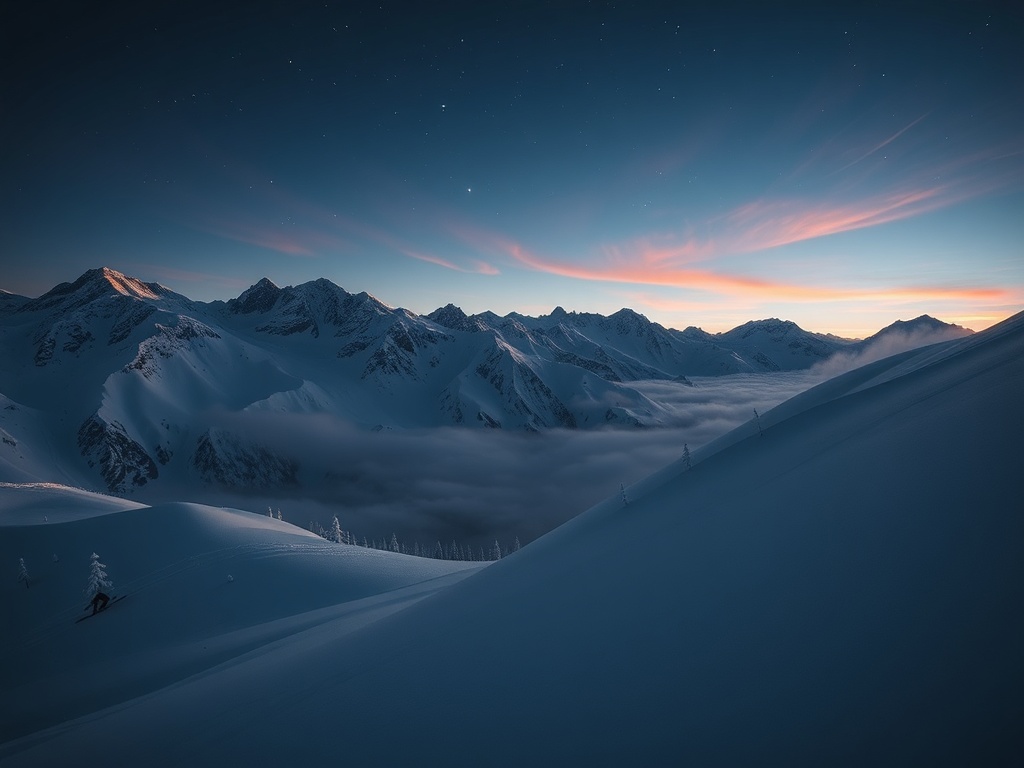
Utah skiing carries a reputation for light, dry snow and an incredibly diverse set of resorts, from world-class steep chutes to family-friendly groomers.
Whether you’re chasing blower powder, learning to carve on mellow cruisers, or touring untracked backcountry bowls, Utah delivers terrain and access that make it a top pick for winter sports.
Why Utah stands out
Utah’s inland mountain ranges and cold, continental climate create a low-moisture snowpack that skiers call “champagne powder.” That combination of light snow and steep terrain rewards both aggressive skiers and those who want softer landings. Proximity between resorts and a major airport with frequent flights makes Utah unusually easy to reach, even for short trips.
Top resort types and who they’re best for
– Resort luxury and service: Deer Valley caters to skiers seeking upscale service, groomed runs, and top-tier mountain dining.
Park City blends big-mountain terrain with a lively historic town scene, shopping, and nightlife.
– Big-mountain powder: Snowbird and Alta are known for deep bowls, steep faces, and high-alpine terrain. Alta is a skiers-only area, prized for its powder days.
– Family and mid-size options: Brighton, Solitude, and Sundance offer approachable terrain, lesson programs, and often lighter crowds.
– Expansive, low-density skiing: Powder Mountain and Snowbasin appeal to powder hunters and those who value wide-open terrain and fewer lift lines.
Smart planning tips
– Airport access: Salt Lake City International provides fast transfers to many resorts; typical drive times range from about 20 minutes to an hour depending on the mountain and road conditions.
– Lift tickets and season passes: Compare single-resort pricing with multi-resort passes.
Popular multi-resort passes can save money if you plan to ski several areas, but day-to-day deals and micro-peak dates are often available through resort apps.
– Timing: Early morning first laps and midweek days offer the best odds for freshly groomed corduroy and shorter lift lines. Keep an eye on resort grooming reports and powder alerts.
Backcountry and avalanche safety
Utah’s deep snowpack can create serious avalanche conditions.
Check avalanche forecasts before heading out and carry a beacon, shovel, and probe when traveling off-piste. Avalanche courses and guided trips are widely available and highly recommended for anyone venturing beyond resort boundaries. Resorts also publish controlled-traffic zones—respect closures and signage.
Gear and clothing
Layering is essential—breathable base layers, a warm mid-layer, and a waterproof, breathable shell handle changing conditions. Goggles with interchangeable lenses help adapt to flat-light powder or sunny exposures. If you chase powder, wider skis and a slightly longer length improve floatation; skinnier skis are still great for groomed runs.
Mountain experience and après-ski
Beyond the lifts, Utah offers vibrant après-ski options: cozy mountain lodges, craft breweries, fine dining in resort towns, and historic Main Street Park City. Many resorts focus on family-friendly programming, on-mountain childcare, and events that make visits fun for non-skiers too.
Sustainability and resort improvements
Resorts are adopting greener practices like energy-efficient snowmaking, electric shuttles, and waste reduction initiatives. Checking a resort’s sustainability commitments can help you choose a destination aligned with your values.
Final tip
Prioritize safety, monitor conditions, and book lodging close to the mountain if you want maximum time on the snow. With tremendous variety and reliable powder, Utah remains an unbeatable destination for skiers of all levels.