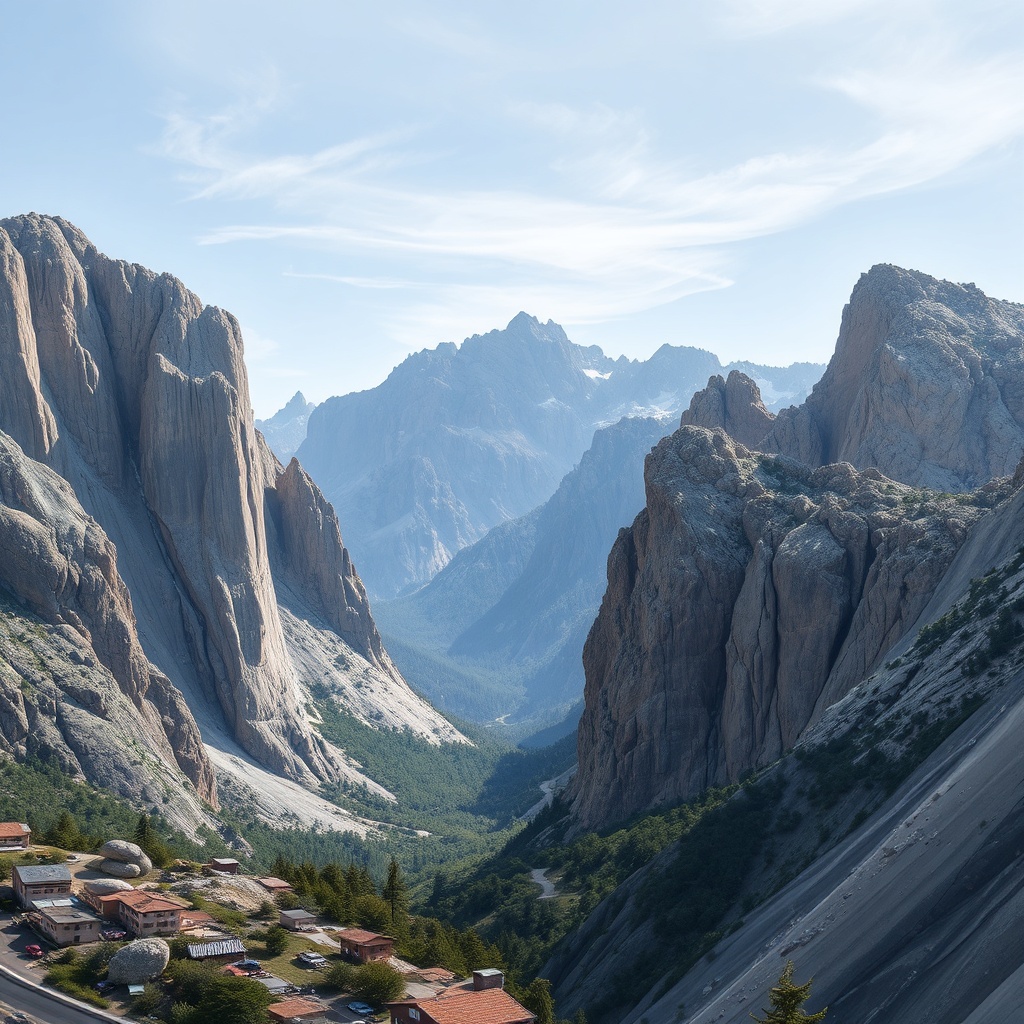
High-altitude hiking in the Rocky Mountains delivers dramatic skylines, alpine meadows, and wildlife encounters, but it also demands respect for unpredictable weather, thin air, and fragile ecosystems.
Whether you’re planning a day hike or a multi-day trek, these practical tips will help you enjoy the mountains safely and responsibly.
Plan and prepare
– Know the route: Study topographic maps and trail descriptions before you go.
Many trails gain elevation quickly; know mileage, elevation gain, and exit options.
– Check conditions: Mountain weather can change rapidly. Look for recent trail reports and avalanche or fire advisories where applicable.
– Permits and regulations: Some areas require passes, camping permits, or quotas.
Confirm rules for backcountry camping, campfire restrictions, and dog policies.
Acclimatize and recognize altitude effects
– Allow time: Ascend gradually when possible.
Spend a night at an intermediate elevation if your itinerary climbs quickly.
– Watch symptoms: Headache, dizziness, nausea, and shortness of breath can indicate altitude illness. If symptoms worsen, descend until they improve.
– Hydrate and eat: Dehydration intensifies altitude effects. Drink water regularly and prioritize carbohydrate-rich snacks for sustained energy.
Clothing and gear
– Layering system: Use a moisture-wicking base layer, insulating mid-layer, and a waterproof breathable shell.
Temperatures can swing dramatically from sun-exposed ridges to shaded valleys.
– Footwear: Sturdy, broken-in boots or trail runners with ankle support and good traction are essential on rocky, uneven terrain.
– Essential items: Map and compass (and the skills to use them), headlamp, extra food, first-aid kit, sun protection, and an emergency shelter.
In remote areas, carry a satellite messenger or personal locator beacon for emergencies.
– Water treatment: Carry a reliable filter, chemical treatment, or UV purifier. Many alpine streams look pristine but can carry pathogens.
Wildlife and trail etiquette
– Maintain distance: Keep a respectful distance from wildlife. Never approach, feed, or attempt to touch animals—elk, bighorn sheep, and bears are common in parts of the range and can be unpredictable.
– Bear safety: Carry bear spray where recommended and know how to use it. Store food properly using bear-resistant canisters or by following local guidelines.
– Leave No Trace: Pack out all garbage, stay on designated trails to limit erosion, and camp on durable surfaces. Avoid picking wildflowers and disturbing fragile alpine tundra.
Safety and navigation
– Expect poor cell service: Don’t rely on cell reception. Download offline maps, use a physical map, and let someone know your plan and expected return time.
– Weather awareness: Thunderstorms are a particular risk at higher elevations—avoid exposed ridgelines and summits when lightning is present.
Afternoon storms tend to develop quickly; consider starting early.
– Group planning: Traveling with partners improves safety. If hiking solo, stick to well-traveled routes and shorter objectives.
Enjoy the experience
The Rocky Mountains offer some of the most rewarding hiking landscapes, from subalpine forests to alpine lakes and expansive panoramas. With careful planning, respect for the environment, and attention to safety, you’ll turn challenging conditions into lasting memories. Prepare thoughtfully, move deliberately, and leave the mountains as you found them so others can enjoy the same wild beauty.