Navajo Art: Tradition, Technique, and Responsible Collecting
Navajo (Diné) art remains one of the most recognizable and influential traditions in Indigenous art of North America. Rooted in weaving, silversmithing, and ceremony-based practices, it blends centuries-old techniques with contemporary innovation.
Understanding the cultural context and craftsmanship behind Navajo work will deepen appreciation and help collectors make responsible choices.
Why Navajo art matters
Navajo art is both aesthetic and cultural. Weavings—often called rugs or blankets depending on size and use—carry clan histories, family patterns, and regional styles. Jewelry, especially silver and turquoise pieces, can reflect individual artist signatures, technical mastery, and connections to place and material. Certain designs and sandpaintings are sacred, used in healing ceremonies, and are not meant for casual display or commercial sale.
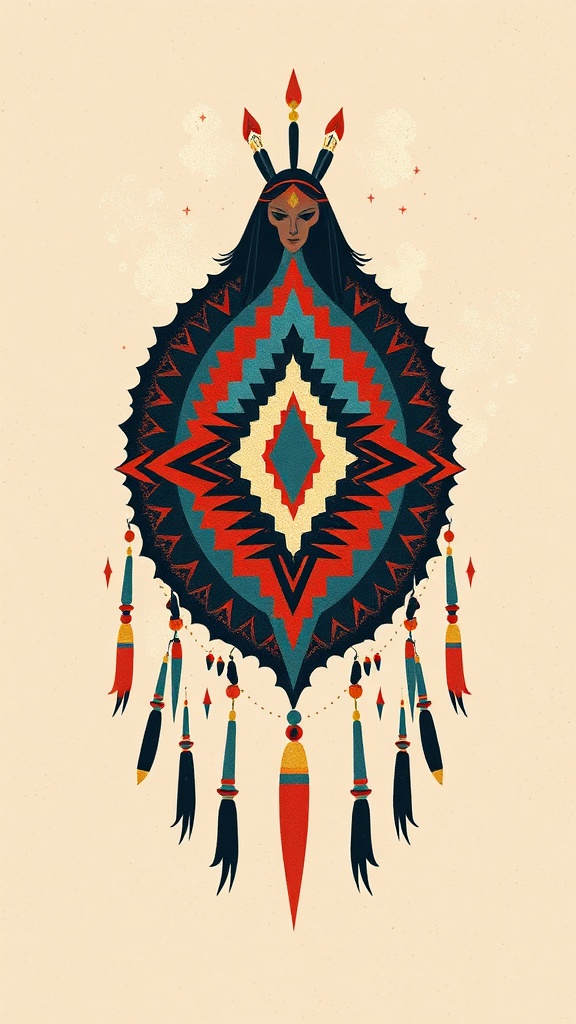
Respect for these protocols is central when engaging with Navajo art.
Key techniques and materials
– Weaving: Traditionally done on upright looms, Navajo weavings use handspun or commercial wool, with distinctive selvedge edges and tightly packed warp and weft. Regional styles vary—some favor geometric, tightly packed motifs while others use more open, pictorial layouts. Natural and synthetic dyes may both be present; hand-dyed wool has subtle irregularities prized by collectors.
– Jewelry: Sterling silver combined with turquoise, coral, jet, or shell is common. Techniques include stamping, overlay, inlay, and stone-setting.
Maker’s marks or hallmarks can help identify artists and workshops, but many pieces remain unsigned.
– Sandpainting and ceremonial arts: These are part of healing rituals and are often ephemeral. Reproductions intended for educational purposes should be sourced and displayed with sensitivity to their sacred origins.
How to identify authentic Navajo pieces
– Provenance: Documentation of artist, community, or place of purchase greatly increases confidence. Ask sellers for any available receipts, photographs, or artist statements.
– Materials and construction: Look for handwoven irregularities, visible selvedges on textiles, and traditional silverwork techniques. Machine-made imitations often lack tight hand-tied warps or show perfectly uniform patterns.
– Signatures and marks: Some contemporary artists sign work; older or traditional pieces may not. Hallmarks on jewelry can be researched through artist directories and tribal galleries.
– Seller credibility: Reputable Native-owned galleries, artist cooperatives, and tribal programs often verify authenticity. Avoid ambiguous sellers with no provenance or misleading language.
Caring for Navajo art
– Textiles: Keep textiles out of direct sunlight, maintain stable humidity, and store flat or rolled around an acid-free tube wrapped in unbleached muslin. Regularly check for pests and clean only with gentle, conservation-grade methods—consult a textile conservator for major issues.
– Jewelry: Store silver pieces in anti-tarnish cloth, keep turquoise away from chemicals and prolonged moisture, and polish minimally with a soft cloth. Fragile settings benefit from professional repair.
– Display: Use UV-filtering glass for framed textiles and avoid adhesive mounts that can damage fibers or finishes.
Ethical collecting and supporting living artists
Prioritize buying directly from Navajo artists or from Native-run galleries and markets. Ask about fair payment, artist attribution, and cultural context. Be mindful of reproducing or displaying sacred imagery; when unsure, seek guidance from the artist or tribal cultural offices. Supporting contemporary Navajo artists helps sustain communities and keeps traditions vibrant through innovation.
Whether you’re a first-time buyer or a seasoned collector, approach Navajo art with curiosity, respect, and an eye for craftsmanship.
Asking the right questions and caring for pieces properly ensures that meaningful works are preserved and that artists receive the recognition and compensation they deserve.