Colorado’s brewery scene blends mountain tradition with modern craft creativity, creating a beer culture that draws locals and visitors alike. From high-altitude taprooms to experimental nano-breweries, Colorado offers a wide range of brewing styles, tasting experiences, and community-driven events that make exploring its breweries a rewarding pursuit.
What sets Colorado breweries apart
– Diverse landscapes shape beer styles: Front Range cities support a thriving IPA and pale ale culture, while mountain towns often highlight richer, warming ales and barrel-aged beers suited to cooler evenings.
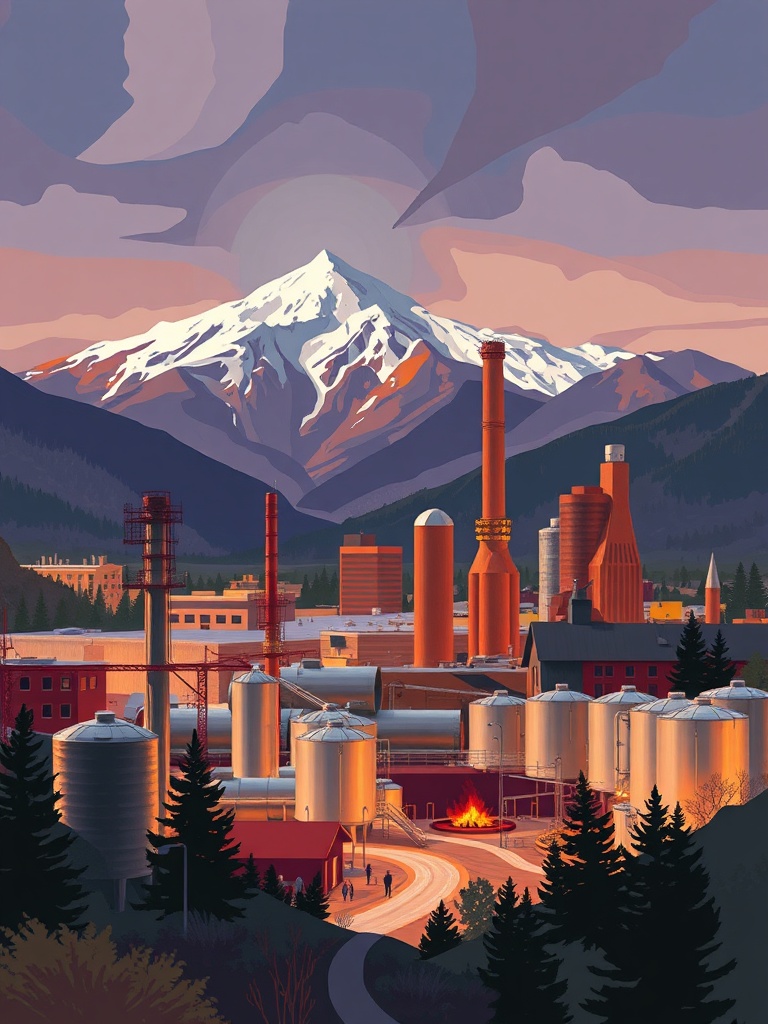
Brewers frequently draw inspiration from local ingredients—rocky mountain water, heirloom grains, and alpine foraged botanicals—to create regionally distinctive flavors.
– Innovation meets tradition: Many breweries balance classic methods (open fermentation, Belgian techniques, barrel aging) with modern trends like hazy IPAs, kettle sours, and mixed-culture fermentations. Small experimental batches are common, so taplists change often and limited releases are a regular draw.
– Community focus: Taprooms serve as community hubs where food trucks, live music, and family-friendly patios foster local connections. Many breweries also support sustainability practices—spent grain programs, water-saving equipment, solar installations, and recyclable packaging—making it easier to enjoy beer responsibly.
Styles worth trying
– Hazy and New England–style IPAs: Soft mouthfeel, fruity hops, and lower perceived bitterness make these a go-to for hop lovers who prefer juicy aromatics.
– West Coast and American IPAs: Crisp, piney, and bitter, these highlight classic American hop profiles.
– Barrel-aged stouts and big beers: Perfect for colder nights, these showcase complexity from oak and time, with notes of chocolate, coffee, and bourbon.
– Saisons, farmhouse ales, and mixed-fermentation sours: Lighter, effervescent, and sometimes tart, these pair well with spicy regional dishes.
– Goses and kettle sours: Tart, salty, and refreshing—especially welcome after a day on the trail.
Visiting tips
– Mind the altitude: Higher elevations affect perception of carbonation and alcohol—beverages may feel fizzier and effects may come on faster. Hydrate and pace tastings accordingly.
– Choose by vibe: Larger production breweries often offer extensive beer lists and full kitchens; smaller taprooms tend to focus on experimental kegs and intimate atmospheres. Look for breweries with outdoor space if visiting during warm months.
– Plan for releases: Limited or canned releases can sell out quickly. Follow brewery social channels or mailing lists for release-day details and presale options.
– Pair locally: Colorado’s culinary scene—from bison and trout to green-chile classics—matches well with local beers.
Seek out taprooms that collaborate with nearby chefs or host pop-up kitchens.
Getting around and supporting local
Brewery trails span urban districts and scenic mountain corridors. Use ride-share services, designated drivers, or local shuttle options where available. Buying cans to-go, joining brewery membership clubs, or attending community events are great ways to support small producers and discover new favorites.
Whether exploring urban taprooms or mountain brewpubs, Colorado’s breweries offer a dynamic mix of tradition, experimentation, and outdoor-friendly hospitality.
Start with a day trip focused on a neighborhood or set a brewery-hopping route in a single valley—either way, there’s a refreshing pint and a new flavor waiting at each stop.