Yellowstone remains a must-see natural wonder for anyone drawn to geothermal drama, wide-open wildlife viewing, and dramatic canyon scenery. Whether planning a first trip or returning for another visit, understanding the park’s unique features and practical safety habits makes the experience richer and safer.
What makes Yellowstone special
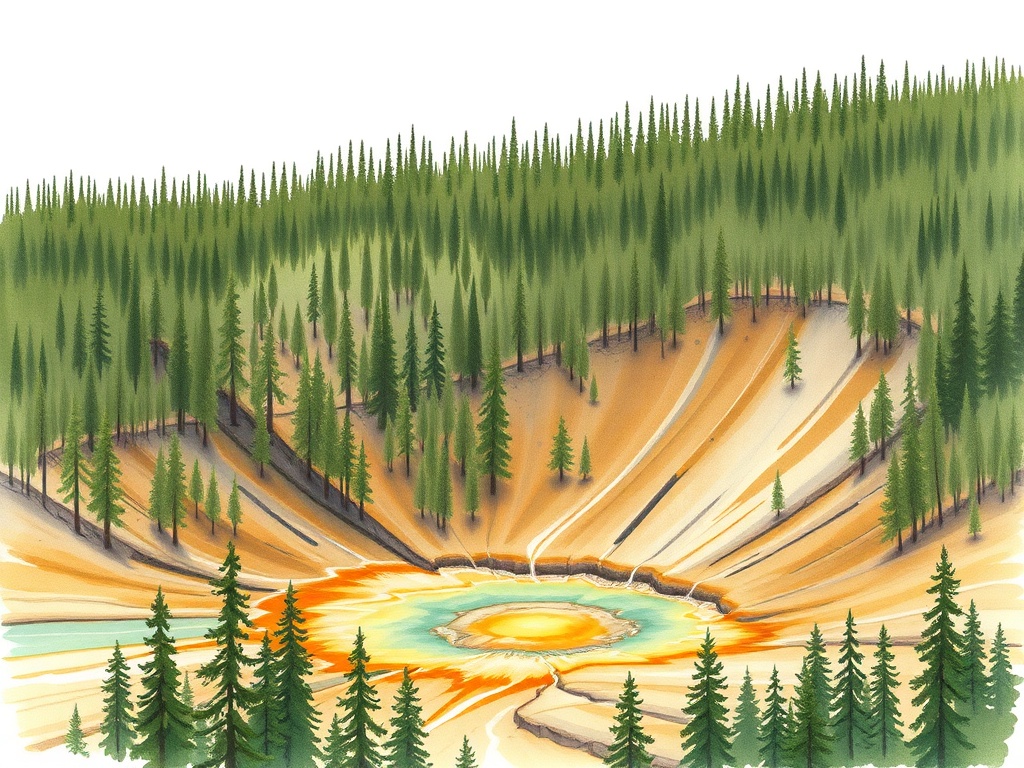
– Geothermal landscapes: Yellowstone hosts thousands of thermal features — geysers, hot springs, mud pots and fumaroles — fueled by an active volcanic system beneath the surface. Vivid colors in features like the Grand Prismatic Spring come from heat-loving microbial mats; those same conditions make thermal areas fragile and extremely dangerous to walk on.
– Iconic spectacles: Old Faithful’s reliable eruptions and the multicolored pools at Midway and Norris Basins draw most visitors, but quieter spots such as Mammoth Hot Springs and the Upper and Lower Falls in the Grand Canyon of the Yellowstone reward exploration.
– Abundant wildlife: Elk, bison, grizzly and black bears, wolves and coyotes are some of the species you may see. Large mammals roam freely; encounters from roads and overlooks are common.
Safety and responsible behavior
– Stay on boardwalks and established trails in thermal areas. Ground crust can be thin and scalding water may be just under the surface.
– Observe wildlife from a safe distance: maintain at least 25 yards for most animals and at least 100 yards for bears and wolves. Never approach or feed wildlife.
– Carry bear spray in accessible reach and know how to use it. Store food and scented items properly; follow park rules for food storage and waste.
– Drones are prohibited across the park. Respect quiet and wildlife by keeping handheld audio and other disturbances low.
– Weather and elevation can be challenging: layer clothing, bring sun protection, hydrate, and expect rapid changes in conditions.
Timing and crowd strategies
– Popular sights can be crowded during peak visitation. Early mornings and late afternoons tend to offer better light for photography and quieter wildlife viewing, particularly in valleys known for animal activity.
– Consider less-visited areas and drives: Firehole River corridors, Blacktail Plateau, and quieter overlooks often deliver rewards without the lines.
– Winter access is limited but transformative; snowcoach and guided snowmobile trips open a different side of the park, with fewer people and a stark, snowy landscape.
Photography and gear tips
– A telephoto lens and binoculars will greatly enhance wildlife watching while keeping distance. A tripod is useful for low-light canyon shots and long exposures on waterfalls.
– For thermal features, capture both wide-context shots and close-up details of color and texture. Early and late light intensifies colors.
Planning essentials
– Check current park alerts, road conditions and permit requirements before heading out. Backcountry travel requires permits and careful preparation.
– Respect Leave No Trace principles: pack out what you pack in, avoid disturbing natural features, and follow signage.
Yellowstone offers profound experiences — from the boiling beauty of its springs to the silence of a dawn in a valley where bison graze. With simple precautions and a plan, visitors can enjoy the park’s wonders while helping preserve them for the next traveler.