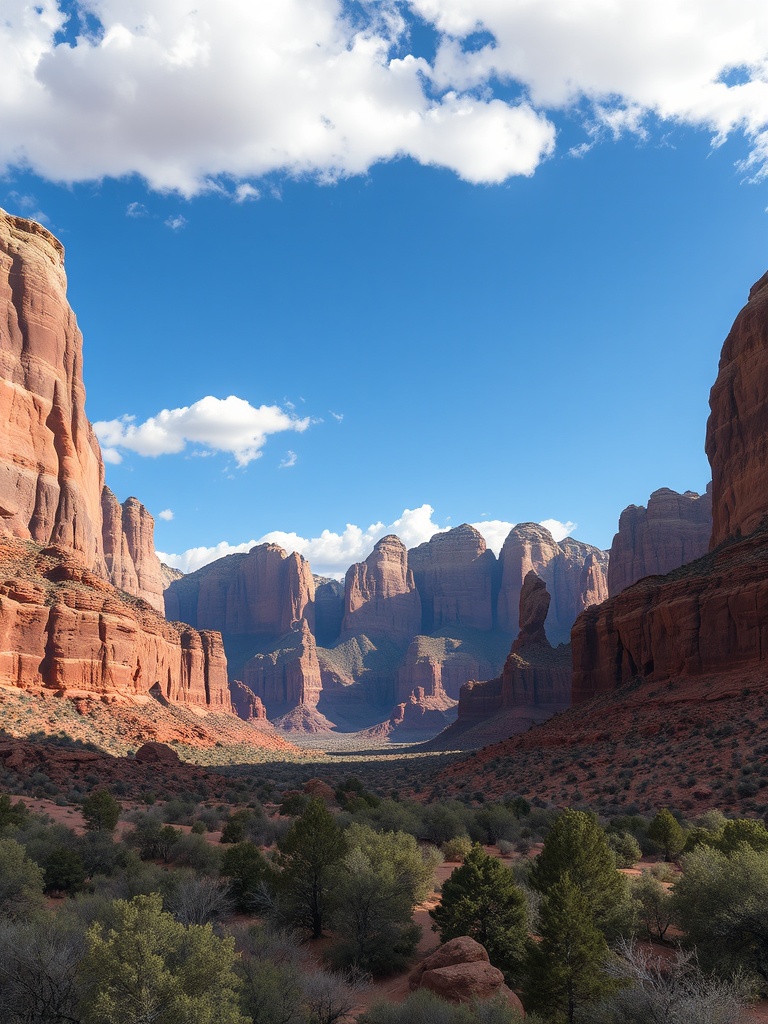
Moab’s parks are a bucket-list landscape where red rock amphitheaters, slickrock ridges and winding rivers create a playground for hikers, bikers, paddlers and photographers. Two national park icons—Arches and Canyonlands—sit just minutes from town, while state parks and BLM lands offer endless side trips and quieter backcountry experiences. Here’s how to make the most of a visit while traveling responsibly.
Why visitors keep coming
– Unique geology: Towering fins, natural arches, mesas and spires make for dramatic, ever-changing light conditions that reward early mornings and golden-hour photography.
– Diverse recreation: Within a short drive you can swap a scenic overlook for a technical mountain-bike trail, an off-road route, or a guided river trip on the Colorado.
– Starry skies: Low light pollution and expansive horizons deliver exceptional stargazing and night-sky photography opportunities.
Top activities and where to go
– Short hikes and iconic viewpoints: Major parks offer famous viewpoints that are accessible with minimal hiking; plan an early arrival to avoid the busiest periods and to capture softer light.
– Backcountry and lesser-known trails: For solitude, explore side trails and less-visited canyon rims—these routes often require good navigation skills and preparation.
– Mountain biking and off-roading: Trails like slickrock and nearby 4×4 routes demand skill and respect; check vehicle and trail restrictions, and ride or drive within your ability.
– River trips and canyoneering: Guided float trips, rafting and technical canyoneering require permits or outfitter bookings. Coordinate logistics ahead of time and prioritize experienced guides for technical routes.
– Photography and sunrise/sunset: Classic formations glow at sunrise and sunset; scouting spots ahead of time helps avoid bottlenecks.
Planning and permits
Popular areas can become crowded. Some parks use timed-entry reservations or vehicle restrictions during peak periods—check official park and state park websites before traveling. If you plan overnight backcountry travel, technical canyoneering, or river expeditions, secure permits well in advance and verify current regulations.
Safety and practical tips
– Hydration and weather: Desert heat and dry air mean carrying ample water and electrolyte replacement. Temperatures can swing widely between day and night, so dress in layers and monitor forecasts for storms and flash-flood risk.
– Navigation and cell service: Cell coverage is unreliable in canyons and remote trails. Carry paper maps, a downloaded mapping app, or a GPS device and know how to use them.
– Footwear and gear: Sturdy shoes with good traction are essential for slickrock and loose rock.
Sun protection—hat, sunglasses, sunscreen—is nonnegotiable.
– Respect wildlife and cultural sites: Many areas contain fragile archeological sites and sensitive habitats; avoid disturbing artifacts or rock art.
Leave No Trace and responsible recreation
Following Leave No Trace principles keeps these landscapes intact: pack out trash, minimize group size, stay on established trails, and avoid climbing on delicate formations. When using off-road routes, stick to designated tracks to prevent erosion and habitat loss.
Best time to visit
Shoulder seasons and early mornings reduce crowding and offer milder weather. If you prefer solitude, target less popular areas and midweek visits. For organized activities like river trips or guided canyoneering, book through reputable outfitters to secure dates and equipment.
Final note
Moab’s parks deliver unforgettable scenery and a wealth of adventure, but they require preparation and respect. Planning ahead, checking current park guidance, and practicing responsible recreation are the best ways to ensure a safe, rewarding experience while preserving the landscape for others.