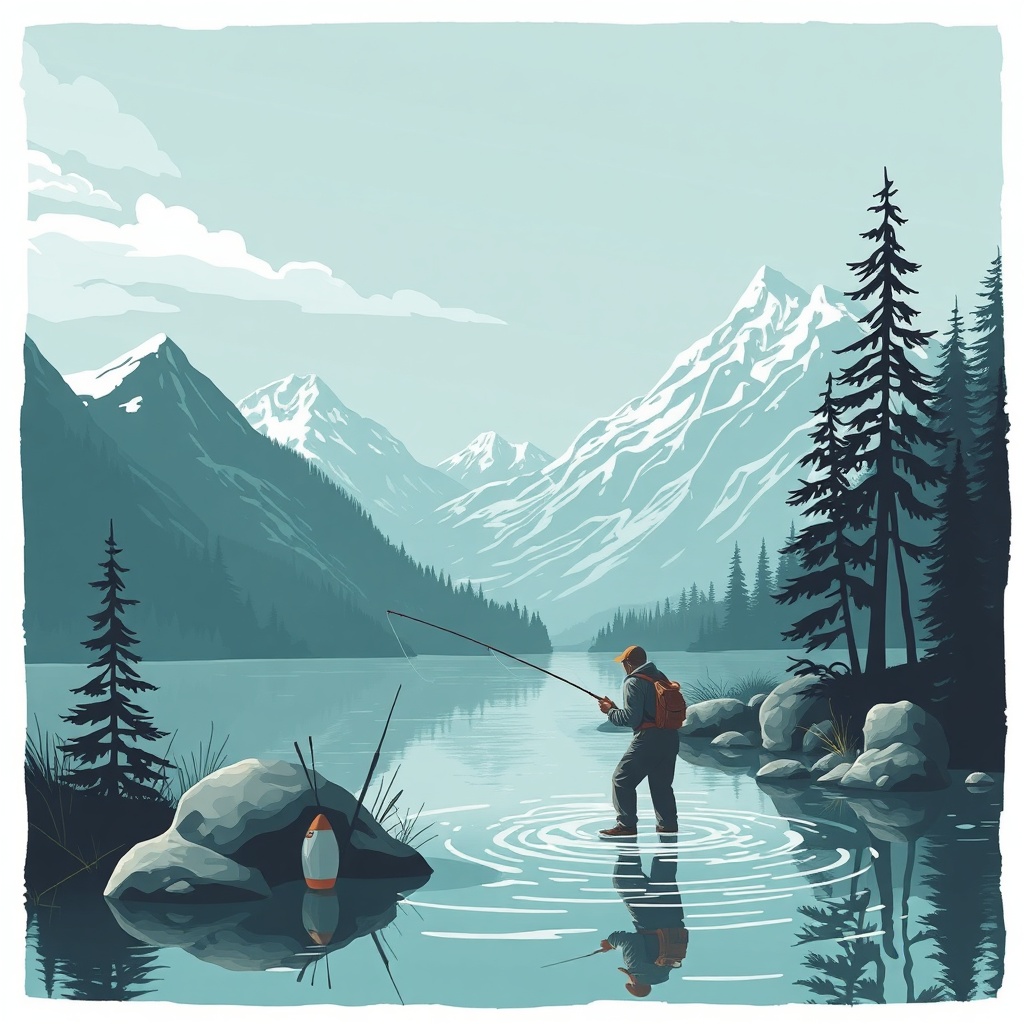
Montana fishing is synonymous with wide-open waters, wild trout, and the kind of quiet afternoons that make anglers come back season after season. From freestone streams braided with cutthroat to big tailwater rivers holding trophy rainbows and browns, the state offers diverse water types and techniques that suit beginners and experienced fly fishers alike.
Where to fish and what to target
Rivers fed by mountain snowpack offer classic trout habitat: riffles, pocket water, and deep runs that hold fish throughout the day. Tailwaters below dams create stable temperatures and steady hatches, making them reliable destinations in fluctuating weather. Lakes and reservoirs add opportunities for kokanee, pike, walleye, and lake trout; each requires different tackle and tactics.
Popular species include rainbow, brown, and cutthroat trout, plus mountain whitefish, walleye, northern pike, and kokanee. Match the water to the species and adjust techniques from delicate dry-fly presentations on hatching rivers to aggressive streamer work in deeper pools and large lakes.
Techniques that work
– Dry-fly fishing: Effective during prolific hatches; present flies softly and watch for surface takes. Classic flies like elk hair caddis, parachute Adams, and hoppers are staples.
– Nymphing: Often the most productive method on pressured rivers. Pheasant tail and hare’s ear nymphs, paired with split-shot or indicator rigs, will take fish when dries won’t.
– Streamers: Great for targeting big, predatory trout — woolly buggers, zonkers, and articulated streamers entice aggressive strikes from larger fish holding in deeper water.
– Stillwater tactics: Long leaders, slow retrieves, and subsurface patterns win on lakes; try leeches, chironomids, and larger streamers depending on depth and temperature.
Gear and preparation
Match your rod, line, and leader to water size and targeted species. Lighter setups excel on small freestone creeks, while 7–9 weight rods shine for large rivers and streamer work. Always pack polarized sunglasses, a landing net with rubber mesh, nippers, forceps, and a reliable vest or pack to keep key tools accessible.
Conservation and ethics
Catch-and-release is central to preserving fishery health.
Use barbless hooks, wet hands when handling fish, minimize air exposure, and revive trout in flowing water until they swim off strongly.
Respect private land and obey access rules; much of the best fishing is adjacent to private property and depends on anglers behaving responsibly.
Practical tips for a successful day
– Check local regulations and buy the proper fishing license before you go; rules on seasons and limits vary by area.
– Match your flies to local hatches — observant anglers often catch the most fish.
– Avoid wading during high runoff or unusually warm periods that stress fish.
– Clean gear between water bodies to prevent spreading invasive species and pathogens.
– Consider a guided trip to learn local water, techniques, and entomology quickly.
Safety and logistics
Mountain weather can shift rapidly; layer clothing and be prepared for wind, rain, and chilly evenings. Carry bear spray when venturing into remote areas and store food securely. Cell service can be sparse; let someone know your plans and expected return.
Montana’s fisheries are dynamic and rewarding for anglers who put in a little planning and practice. Whether casting dries on a textbook freestone stream or swinging streamers in a wide tailwater run, the right approach and respect for the resource will make any trip memorable. Check current local conditions and regulations before heading out, and enjoy the rich angling opportunities this region offers.