Montana Fishing: Top Rivers, Techniques, and Practical Tips for a Better Day on the Water
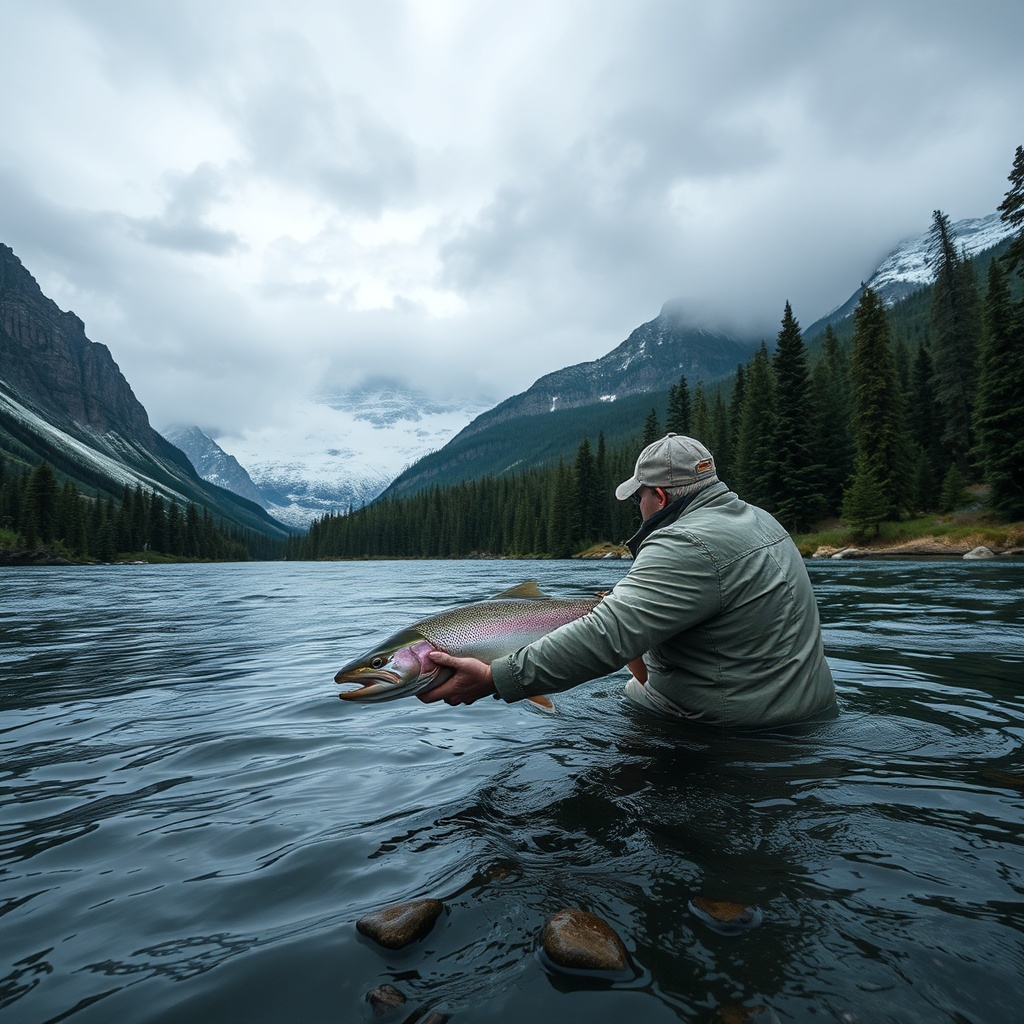
Montana’s waters are legendary for trout, but the state offers much more than a single species or technique.
Whether you’re chasing wild rainbows on a freestone river, throwing streamers for brown trout, or drifting baits on a big tailwater, a few proven strategies will boost your success and make your trip more enjoyable.
Where to Go
– Classic freestone rivers: The Madison, Gallatin, and Yellowstone support abundant hatches and sight-fishing opportunities. Spring and early summer bring snowmelt-fed flows; late season often rewards more predictable conditions and prolific dry-fly action.
– Big tailwaters: The Missouri and Bighorn are renowned for consistent flows, giant trout, and robust bug life.
These rivers fish well through much of the season and are great for nymphing and indicator rigs.
– Lakes and reservoirs: Flathead Lake, a network of alpine lakes, and many smaller backcountry waters offer trout, kokanee, pike, and bass. Lake fishing often means trolling, jerkbaiting, or casting spoons and flies.
– Float trips and remote water: Rivers like the Smith require permits for multi-day floats. These trips deliver scenery and solitude; book through authorized outfitters and plan logistics carefully.
Techniques That Work
– Nymphing: The most reliable method on Montana rivers.
Use two nymph rigs or an indicator setup with patterns like pheasant tail, hare’s ear, and stonefly nymphs. Match weight to current and use split shot or a tungsten bead to get your flies to the right depth.
– Dry-fly fishing: When hatches pop, switch to dries like elk hair caddis, Adams, or local mayfly imitations. Watch for rises and present upstream with gentle, drag-free drifts.
– Streamer fishing: For aggressive brown trout and large rainbows, cast Woolly Buggers, zonkers, or articulated streamers and strip with varied cadence. Fish deeper runs and structure.
– Lake techniques: Trolling with downriggers or lead-core line, casting spoons and spinners, and drifting with live bait or flies are all productive depending on species and lake depth.
Gear and Tackle Tips
– Rods: A 9-foot 5- or 6-weight rod covers most trout situations.
For streamers or windy lake days, consider a 7-weight.
– Leaders and tippet: 9–12 foot tapered leaders are standard.
Use 4–6X for spooky trout on clear water and 3–4X when nymphing or targeting larger fish.
– Waders and safety: Breathable waders with a good boot sole improve comfort.
Always carry a wading staff and wear a PFD on float trips.
– Flies: Bring a selection—midges, PMDs, caddis, mayflies, stoneflies, nymphs, and a few bright streamers for aggressive bites.
Conservation and Local Rules
Montana’s fisheries depend on responsible anglers.
Practice catch-and-release where recommended, use barbless hooks or pinch barbs to reduce harm, handle fish with wet hands, and release quickly. Regulations vary by water—special regulations, seasonal closures, and permit systems apply on certain rivers and lakes. Check current regulations and flow conditions through Montana Fish, Wildlife & Parks and local fly shops before you go.
Find Local Knowledge
Stop by a local fly shop in towns like Bozeman, Missoula, or Helena to get up-to-the-minute intel on hatches, flows, and access. Guided trips are an efficient way to learn new techniques and scout productive waters if you’re unfamiliar with an area.
A Montana fishing trip is equal parts technique, timing, and place. With solid preparation, respect for the resource, and a few proven tactics, anglers can turn an ordinary day on the water into a memorable one.
Plan ahead, check conditions, and enjoy some of the most celebrated fisheries the region has to offer.