Yellowstone National Park is one of the planet’s most dramatic natural laboratories, where steaming fumaroles, vividly colored hot springs, and thunderous waterfalls meet abundant wildlife across a vast high-elevation landscape.
Visitors come for the geysers, stay for the sense of wildness—and return home with a better appreciation for Earth’s geothermal power and the need to protect fragile ecosystems.
Geothermal wonders
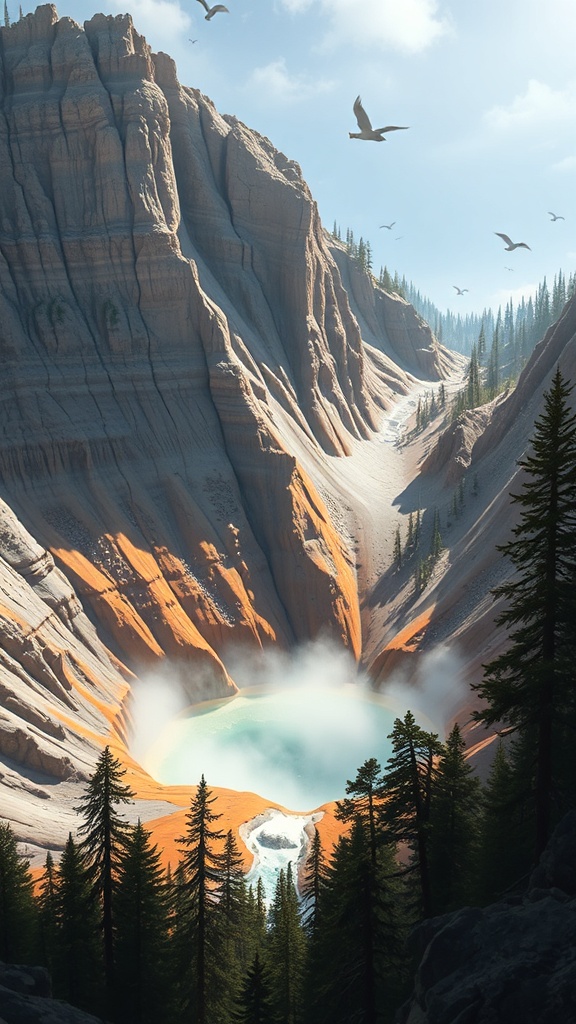
Yellowstone’s geothermal features are unrivaled: geysers that erupt on schedule, sinter terraces rimmed in mineral deposits, and acid-scarred runoff channels painted in brilliant microbial mats. These features form because of shallow magma and circulating groundwater; boiling, acidic, and mineral-rich waters create endlessly changing displays.
Boardwalks and designated trails thread through the most popular thermal basins—staying on them isn’t just recommended, it’s essential. Thin crust and scalding water make off-trail travel extremely dangerous, and touching or collecting materials from thermal areas damages formations that took centuries to create.
Wildlife and safety
The park supports large populations of megafauna—bison, elk, moose, black and grizzly bears, wolves, and coyotes—alongside smaller mammals and a surprising diversity of birds. Wildlife viewing is a highlight, but safety rules exist for good reason. Keep a respectful distance (park guidance advises maintaining at least 25 yards from most animals and a greater distance for predators), use binoculars and telephoto lenses, and never feed wildlife.
Bison appear placid but are unpredictable and can sprint faster than humans; dozens of injuries every season are linked to visitors approaching too closely. Carry bear spray in backcountry areas and know how to use it; be aware of seasonal closures and heed ranger warnings.
Planning a visit
Park access fluctuates with weather, road work, and wildlife activity, so check official park alerts before you go.
Popular thermal basins and scenic drives can become congested—arriving early or exploring lesser-known loops reduces crowds and increases wildlife encounters. Overnight backcountry trips require a permit, and advanced planning is essential for lodging and guided services.
Pack layers for rapid temperature swings, strong sun protection, and sturdy footwear for uneven boardwalks and trails.
Conservation and science
Yellowstone is also a center for ongoing scientific monitoring and conservation efforts. The volcanic caldera and hydrothermal system are closely tracked for seismic activity, ground deformation, and hydrothermal changes. Researchers study how climate shifts affect snowpack, stream flow, and wildlife migrations, and ongoing restoration projects focus on native habitats and invasive species control. Visitor behavior directly influences conservation outcomes: practicing Leave No Trace principles, disposing of waste properly, and respecting closures helps preserve the park’s natural processes.
A shared responsibility
Yellowstone’s combination of volatile geothermal action and thriving wildlife makes it a place of wonder and responsibility. Whether you’re photographing a geyser basin, watching a herd move across a valley, or backpacking beneath dark skies, follow park regulations and leave the landscape as you found it. Responsible travel ensures that Yellowstone’s extraordinary landscapes and ecosystems remain vibrant and accessible for the many people who seek connection with wild places.