Yellowstone National Park draws visitors for dramatic geysers, steaming pools, wide valleys of wildlife, and a landscape shaped by one of the planet’s largest hydrothermal systems. Whether planning a first trip or returning to explore deeper, a few practical tips and conservation-minded habits make any visit safer and more rewarding.
What to see and where to go
– Old Faithful and the Upper Geyser Basin: Predictable eruptions and well-maintained boardwalks make this a great introduction to Yellowstone’s geothermal activity. Check posted eruption times at the visitor center.
– Grand Prismatic Spring: The vivid concentric colors come from heat-loving microbes and dissolved minerals; the overlook on the nearby trail offers the best view. Stay on designated paths—thermal ground is fragile and dangerous.
– Mammoth Hot Springs: Terraced limestone formations create a surreal, sculpted landscape that’s easy to explore on boardwalks.
– Lamar and Hayden Valleys: These broad river valleys are prime wildlife viewing zones—dawn and dusk are especially productive for spotting bison, elk, and predators from a respectful distance.
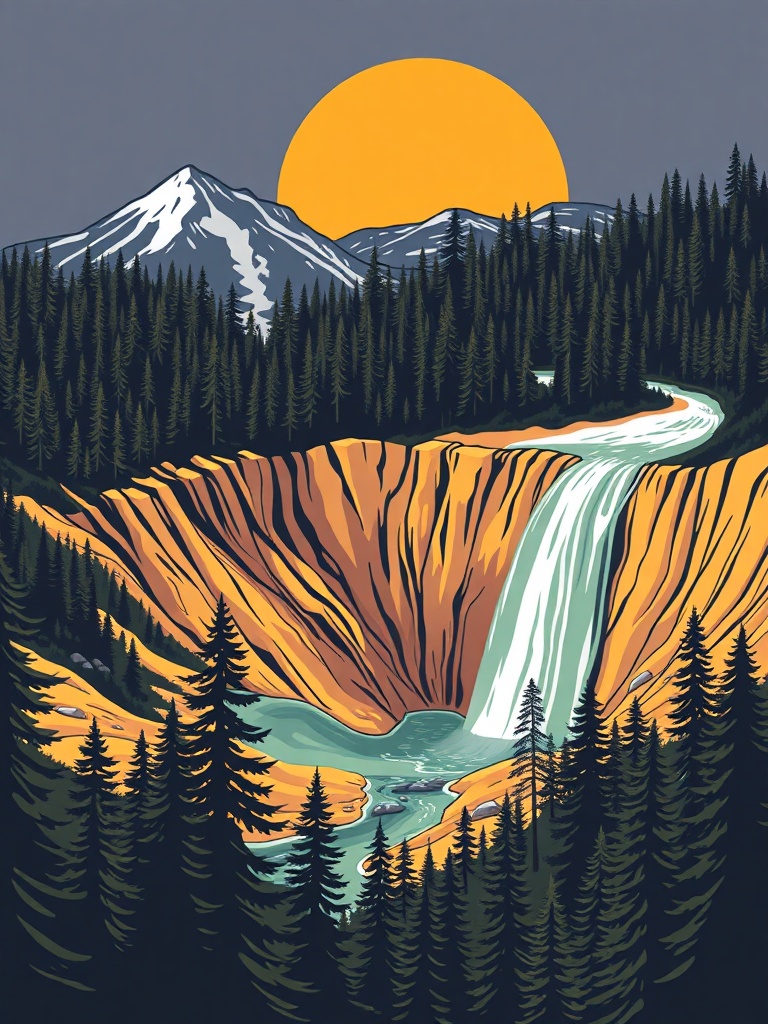
– Grand Canyon of the Yellowstone: Waterfalls and canyon vistas reward short hikes and photo stops.
Wildlife safety and etiquette
Yellowstone wildlife is wild and unpredictable. Maintain safe distances: stay at least 100 yards (91 meters) from bears and wolves, and at least 25 yards (23 meters) from all other animals.
Never attempt to feed, touch, or harass wildlife.
Use binoculars or a telephoto lens for photos.
When you encounter a “wildlife jam” on a road, remain in your vehicle unless directed otherwise by rangers; people who leave vehicles too close to animals create dangerous situations.
Thermal area cautions
Thermal features may look inviting but are acidic, boiling, or just thin-crusted ground that can collapse. Stay on boardwalks and marked trails at all times. Keep children close and pets out of thermal areas—pets are allowed only in developed areas on a leash and are prohibited on trails and boardwalks. Do not throw objects into pools or try to collect thermal materials.
Practical travel tips
– Expect limited cell service across much of the park; download maps, carry a paper map, and plan routes ahead.
– Parking and road congestion are common; be patient, use pullouts, and plan extra time for travel between major sites.
– Weather changes quickly—layered clothing, sun protection, adequate water, and sturdy footwear are essential.
– Carry bear spray where recommended, learn how to use it, and keep it readily accessible when hiking.
– Backcountry overnight travel requires a permit; check visitor centers for regulations and closures.
– Respect closures and posted signs—closures protect fragile features and public safety.
Leave No Trace
Pack out trash, avoid disturbing plants or geological features, and dispose of human waste according to park guidance.
Small actions help preserve the dramatic thermal features and thriving wildlife that make the park unique.
Ranger programs and visitor centers offer current safety updates, maps, and interpretive talks that enrich any visit. By combining curiosity with caution and respect for the landscape and its inhabitants, visitors can enjoy memorable experiences while helping protect Yellowstone’s extraordinary resources for future generations.