Montana fishing is a blend of wide-open landscapes, clear water, and some of the best trout angling in the country. Whether you chase pocket water on a freestone stream, drift a tailwater for predictable hatches, or troll a big alpine lake, Montana delivers variety for anglers of all skill levels.
What you’ll catch
Trout dominate the conversation: rainbow, brown, brook, and native cutthroat are the central attractions. Tailwaters below dams often produce steady populations of rainbow and brown trout, while freestone rivers and high-country lakes are prime habitat for cutthroat and brook trout. Larger lakes and reservoirs add lake trout, northern pike, and occasional largemouth or smallmouth bass for anglers who prefer casting over casting flies.
Where to fish
Iconic rivers and waters offer distinct experiences.
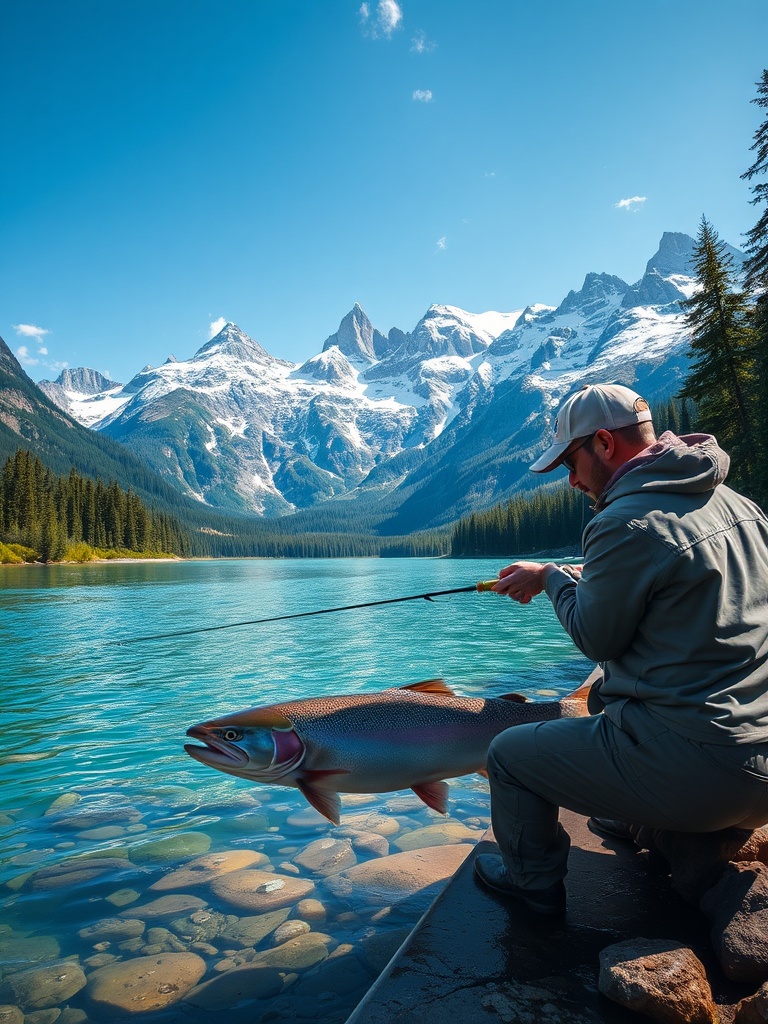
Tailwaters provide consistent flows and dependable insect hatches, making them ideal for sight and drift fishing. Freestone rivers offer technical wading and pocket-water tactics. Large lakes reward trolling and streamer presentations.
Local fly shops and guide services are invaluable for up-to-date water reports and seasonal hot spots.
Techniques that work
– Dry-fly fishing: Perfect during hatch windows on slower seams and riffles.
Presentation and drift control are everything. Match the hatch; trout notice subtle differences.
– Nymphing: The most productive approach on many Montana rivers. Indicator nymphing and euro nymphing both put maximum time in the strike zone.
Use two nymphs or add a split shot to reach depth quickly.
– Streamer fishing: Great for active fish, especially post-spawn or during low-light periods. Strip aggressively to imitate baitfish or more slowly to mimic sculpin.
– Stillwater tactics: Troll shallow flats with leech or minnow patterns, or cast sinking-tip lines and weighted nymphs along drop-offs. Early and late daylight periods usually produce the best action.
Gear basics
A versatile 9-foot, 5-weight fly rod covers a lot of trout water, while a 6-weight or 7-weight is handy for larger rivers or streamer work.
Bring polarized sunglasses, a sturdy net, wading boots with good soles, and a selection of leaders and tippets. Lightweight rain gear and layered clothing are essential—conditions can change quickly.
Safety and stewardship
River currents, cold water, and sudden weather shifts make respect for safety essential. Wear a personal flotation device when necessary, avoid risky wading, and tell someone your plan before heading out. Practice catch-and-release with barbless hooks where appropriate, and always clean boats and gear to prevent transporting invasive species like zebra or quagga mussels. Check local regulations before you go—license requirements, seasonal closures, and special regulations can vary by water.
Get local help
Working with a local guide or dropping into a fly shop pays dividends: they offer gear, up-to-date hatch intel, private water access options, and safety tips tailored to the specific river or lake. For regulation details and alerts, consult the state wildlife agency before launching.
Montana fishing is as much about the experience—big skies, quiet runs, and riverside solitude—as it is about landing fish. With basic skills, the right gear, and a conservation mindset, anglers can enjoy remarkable days on the water while helping preserve these fisheries for the next generation.