Wyoming ranches: enduring landscapes, evolving opportunities
Wide open skies, rolling sagebrush, and towering mountain backdrops define Wyoming ranches. These properties remain central to the region’s culture and economy, blending traditional cattle work with modern land stewardship and diversified income streams.
Whether you’re drawn by working the land, investing in ranch real estate, or planning a guest-ranch getaway, understanding what makes Wyoming ranches unique helps you make smarter choices.
What sets Wyoming ranches apart
– Vast scale and public-land access: Many ranches border or include access to public lands managed for grazing, recreation, and wildlife. Proximity to Bureau of Land Management and Forest Service allotments can expand carrying capacity and seasonal grazing options.
– Climate and forage: Semi-arid conditions demand careful forage management. Native grasses, sagebrush, and irrigated hay meadows combine to support cattle operations when managed with rotational grazing and rest periods.
– Wildlife and predators: Ranches often share habitat with elk, deer, pronghorn, wolves, and bears. Effective operations balance livestock protection, non-lethal deterrents, and collaboration with wildlife agencies.
Modern ranch management practices
Sustainable ranching techniques are increasingly common on Wyoming properties.
Rotational grazing restores plant diversity and improves forage yields. Water management, including efficient irrigation and protecting riparian areas, boosts resilience during dry spells.
Many ranchers use targeted grazing to reduce wildfire fuel loads while supporting healthy rangelands.
Diversification beyond cattle
To maintain economic viability, ranch owners diversify revenue:
– Guest and dude ranches invite visitors for horseback riding, fishing, and authentic ranch experiences—an attractive tourism niche.
– Conservation easements can generate income while lowering tax burdens and protecting scenic or ecologically important lands from development.
– Leasing hunting rights or outfitting services taps into recreational demand.
– Renewable energy leases, such as wind or solar, are sometimes compatible with ranching on wide-open parcels.
Buying and investing in Wyoming ranches
Prospective buyers should evaluate water rights, grazing allotments, fencing condition, and access. Water is often the most critical asset—wells, springs, ditches, and legal water appropriations can make or break a grazing plan. Easements, mineral rights, and county zoning also affect long-term value and use. Working with local brokers and appraisers who specialize in ranch real estate helps navigate these complexities.
Conservation and community
Many ranchers actively participate in conservation programs and collaborate with land trusts.
These partnerships promote habitat connectivity, improve fisheries, and maintain open landscapes that support both agriculture and wildlife. Community ties remain strong; cooperative efforts for wildfire mitigation, weed control, and infrastructure upkeep benefit neighbors across wide rural regions.
Experiencing a ranch lifestyle
Visiting a Wyoming ranch offers more than scenic vistas—it’s an opportunity to engage in hands-on ranching tasks, learn horsemanship, and appreciate rural rhythms. Guest ranches cater to a range of interests, from family getaways to immersive working-ranch stays.
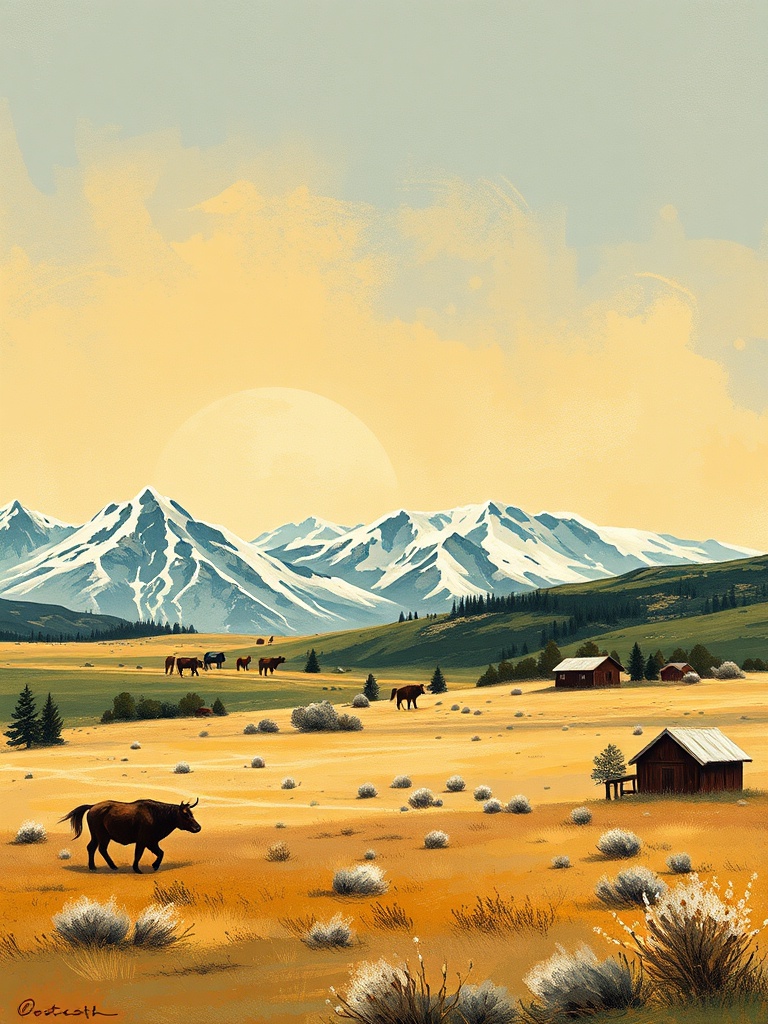
Whether you’re considering purchasing a property, transitioning to a diversified operation, or simply seeking an authentic Western escape, Wyoming ranches offer a blend of tradition and innovation. With thoughtful stewardship, these landscapes continue to support livelihoods, wildlife, and unforgettable experiences.