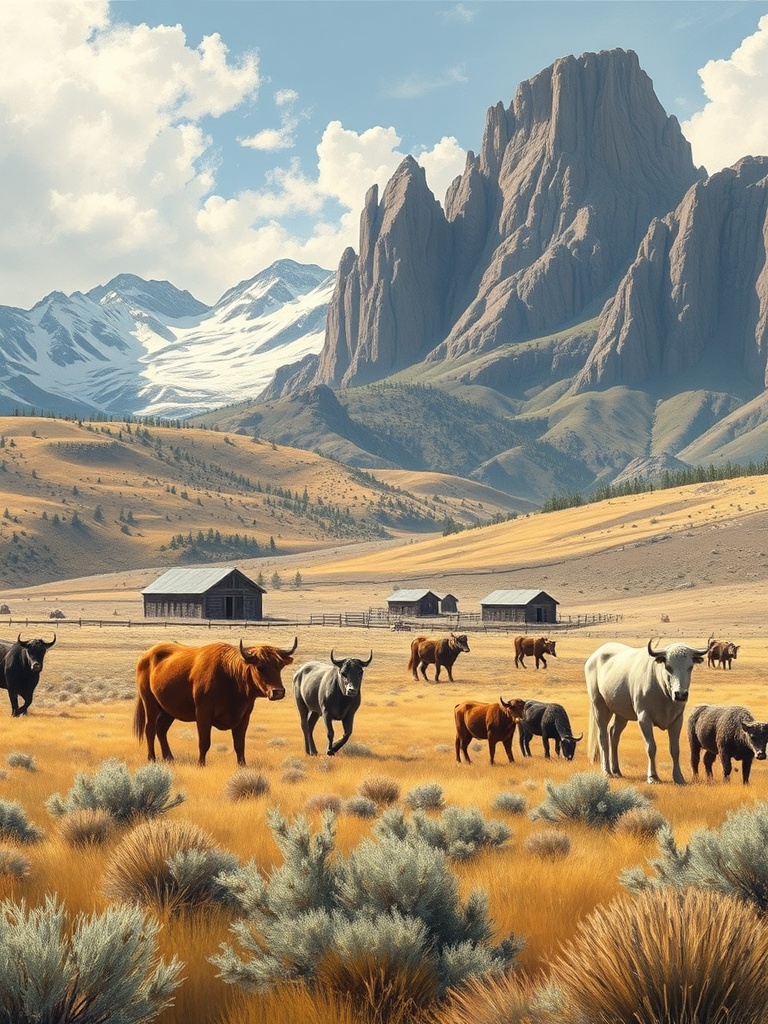
Wyoming ranches hold a special place in the American imagination: wide-open skies, rugged mountains, and working landscapes where cattle, wildlife, and people coexist. For buyers, visitors, and conservation-minded owners, Wyoming ranches offer diverse opportunities—from cattle operations and guest ranches to conservation easements and recreational properties.
Why people buy ranches in Wyoming
– Lifestyle and privacy: Many seek the ranch lifestyle for space, self-reliance, and a close connection with nature. Large acreage, low population density, and wide views are major draws.
– Recreation and tourism income: Rivers and streams for fly fishing, elk and mule deer hunting, and scenic trails create steady demand for leasing hunting access or operating a dude ranch. Ranches that combine authentic work experiences with comfortable lodging often command premium rates.
– Conservation and legacy: Ranch families frequently use conservation easements to protect habitat, preserve working landscapes, and receive tax benefits while keeping land in private hands.
Key considerations when buying a ranch
– Water and water rights: Water is often the most critical asset. Confirm irrigation systems, adjudicated water rights, and seasonal flows. Riparian areas and stocked ponds can greatly affect carrying capacity and recreational value.
– Grazing capacity and forage: Evaluate pasture condition, native grasses, invasive species, and hay production. Carrying capacity drives the viability of cattle operations and winter feed needs.
– Access and infrastructure: Reliable road access, utilities, housing, corrals, barns, and hay storage are essential. Remote properties may require significant investment to reach modern living standards.
– Permits and public lands: Many Wyoming ranches border or intermix with public lands managed by federal agencies. Grazing permits, access across public land, and seasonal wildlife migrations influence ranch operations.
– Taxes and ag exemptions: Agricultural valuation and property tax exemptions can reduce carrying costs, but requirements vary.
Consult local appraisal offices and a ranch-savvy tax advisor.
Ranch management and sustainability
Modern ranching blends traditional practices with conservation science. Rotational grazing improves forage diversity and soil health while reducing erosion. Native grass restoration and careful weed management preserve habitat for elk, sage-grouse, and pollinators. Water-smart practices—lined irrigation ditches, off-channel stock tanks, and riparian fencing—balance livestock needs with fish and amphibian habitat.
Diversifying revenue
Many owners diversify beyond cattle to offset market volatility. Popular strategies include:
– Guest ranch operations that offer guided hunts, fishing, horseback trail rides, and lodging
– Carbon and ecosystem service programs that monetize conservation practices
– Seasonal leasing for hunting and fishing
– Agritourism events such as retreats, workshops, and small weddings
Working with local experts
Successful ranch transactions and operations hinge on local expertise. Real estate brokers who specialize in ranch properties, water attorneys, range management consultants, and conservation organizations can identify hidden risks and opportunities. Physical due diligence—soil tests, well flow measurements, fence inspections, and title review of water rights—avoids costly surprises.
Preserving the ranch way of life
Protecting the character of Wyoming ranches requires thoughtful stewardship: balancing working landscapes with wildlife habitat, maintaining access for ranching operations, and planning for succession. Whether the goal is a profitable cattle operation, a thriving guest experience, or long-term conservation, careful planning and respect for the landscape ensure the property remains productive and resilient.
For anyone considering a Wyoming ranch—buyer, investor, or visitor—taking time to understand water, forage, infrastructure, and local regulations transforms a dream property into a sustainable reality.