Mining towns have always captured the imagination: rugged landscapes, sudden wealth, tight-knit communities, and the distinctive challenges that come with resource dependence. Today, these settlements are evolving — some fading into ghost towns, others reinventing themselves as hubs of tourism, renewable energy, or advanced mineral processing. Understanding the life cycle of a mining town helps planners, residents, and investors make smarter decisions about resilience and redevelopment.
Rise and boom
Mining towns typically emerge where a valuable resource is discovered. Rapid population and infrastructure growth follow: housing, shops, rail links, and social institutions appear almost overnight. That early influx fuels local economies, but it also creates vulnerabilities. Rapid construction can lead to substandard housing and limited long-term planning, while dependence on a single industry leaves communities exposed to price shocks and resource depletion.
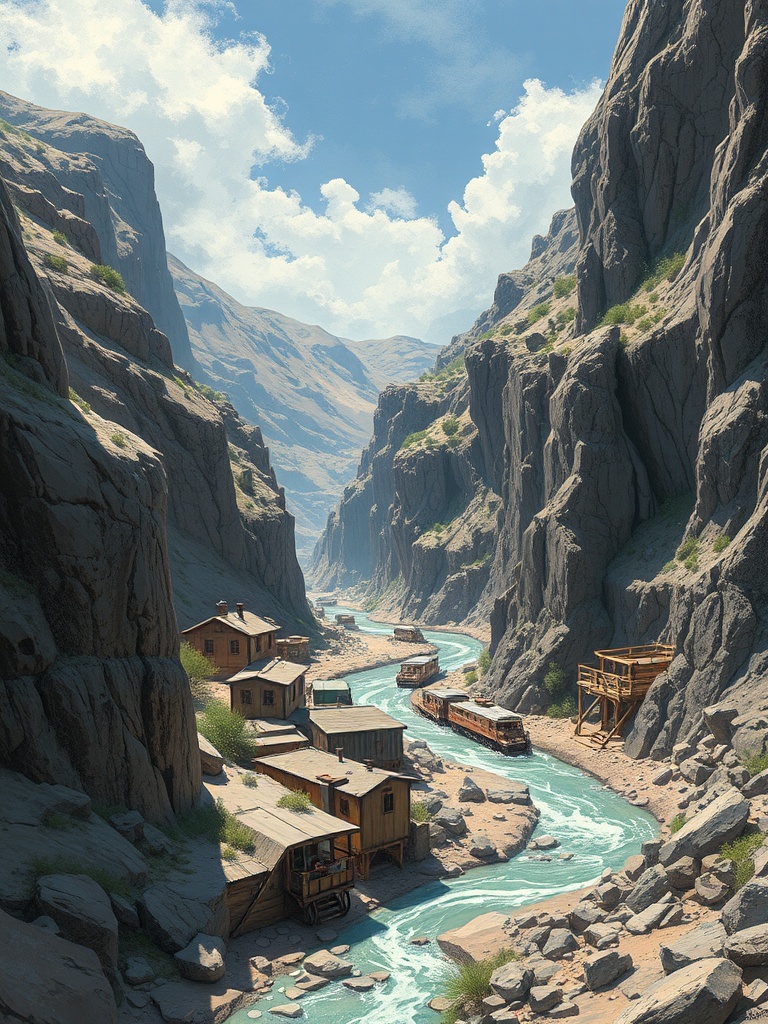
Decline and legacy challenges
When ore runs low or commodity prices fall, towns often face swift declines.
Jobs disappear, businesses close, and public revenues shrink.
Physical legacies — abandoned shafts, tailings piles, and contaminated soils — pose long-term environmental and safety concerns.
Socially, shrinking populations can fragment community networks and strain remaining services.
Paths to resilience
Many mining towns are discovering strategies to stabilize and thrive beyond the mine:
– Economic diversification: Encouraging new industries — manufacturing, logistics, technology, or specialized agriculture — reduces vulnerability to commodity cycles.
Incentives, workforce retraining, and infrastructure upgrades are key to attracting nonmining employers.
– Heritage and experiential tourism: Preserved mine sites, historic downtowns, and interpretive museums draw visitors interested in industrial heritage. Successful tourism development pairs authentic storytelling with quality visitor amenities, like guided tours, lodging, and events.
– Renewable energy and circular economy projects: Former mine lands can host solar farms, wind turbines, or pumped storage projects, turning degraded sites into clean-energy assets. Reprocessing mine tailings for critical minerals or constructing battery-recycling facilities creates local jobs tied to modern supply chains.
– Environmental remediation and reclamation: Active remediation improves public safety and unlocks land for new uses.
Well-planned reclamation integrates ecological restoration, recreational spaces, and commercial redevelopment, often funded through a mix of operator commitments, public funds, and private investment.
Community-focused planning
Long-term success depends on meaningful community engagement. Transition plans that include local voices yield more equitable outcomes: workforce development aligned with employer needs, affordable housing strategies to prevent displacement, and investment in healthcare and education to retain families. Partnerships among industry, government, and civic groups accelerate progress and share risk.
Technology and modern mining
Modern mining operations increasingly use automation, remote monitoring, and advanced processing to improve safety and reduce environmental footprints.
While these technologies can reduce on-site employment, they also create opportunities for higher-skilled local jobs and regional centers for training and maintenance.
Preserving identity while embracing change
Mining towns that balance heritage preservation with forward-looking economic development tend to fare best. Maintaining historic streetscapes and cultural narratives attracts tourism and honors community identity, while pragmatic investments in diversification and environmental cleanup create a foundation for sustained prosperity.
Whether returning to quiet or reinventing for a new economy, mining towns illustrate the complexity of resource-based communities. With intentional planning, investment in people, and flexible strategies, many are turning legacies of extraction into platforms for resilient, diversified futures.