Yellowstone: What to See, How to Stay Safe, and How to Protect a Fragile Landscape
Yellowstone National Park is a landscape of steam, color, and wildlife unlike any other. From geysers and hot springs to expansive valleys where wolves and bison roam, the park offers dramatic experiences for photographers, families, and nature lovers. Knowing how to plan a visit and how to act while inside the park makes the experience richer and safer for everyone.
Top sights and why they matter
– Geyser basins: Areas like the Upper and Lower Basins contain geysers and hot springs that demonstrate Earth’s geothermal power.
Boardwalks and viewing platforms allow close observation of eruptive features and colorful microbial mats that produce vivid blues, oranges, and greens.
– Grand Prismatic-type springs: Large, colorful springs create iconic photo opportunities. Visiting viewpoints gives a better perspective on the scale and the microbial life that creates the rainbow hues.
– Mammoth Hot Springs: Terraced limestone formations formed by mineral deposits provide an unusual, almost sculpted landscape to explore.
– Lamar and Hayden Valleys: Prime destinations for wildlife viewing, especially during dawn and dusk, offering chances to see bison herds, elk, and predators from a respectful distance.
Safety basics everyone should follow
– Stay on boardwalks and designated trails in thermal areas. Crust near hot springs can be thin and conceal scalding water; leaving the trail risks severe injury or worse.
– Maintain safe distances from wildlife: stay at least 25 yards (23 meters) away from animals and at least 100 yards (91 meters) from bears and wolves. These distances protect both visitors and animals.
– Never feed or approach wildlife. Feeding conditions animals to human presence and increases the chance of dangerous encounters.
– Carry and know how to use bear spray where recommended.
Keep it accessible, not buried in a pack.
– Drive cautiously and watch for animals on roads. Never stop in travel lanes to view wildlife; pull well off the road into safe designated areas.
Practical tips for a better visit
– Visit early or late in the day to avoid peak crowds and capture softer light for photos.
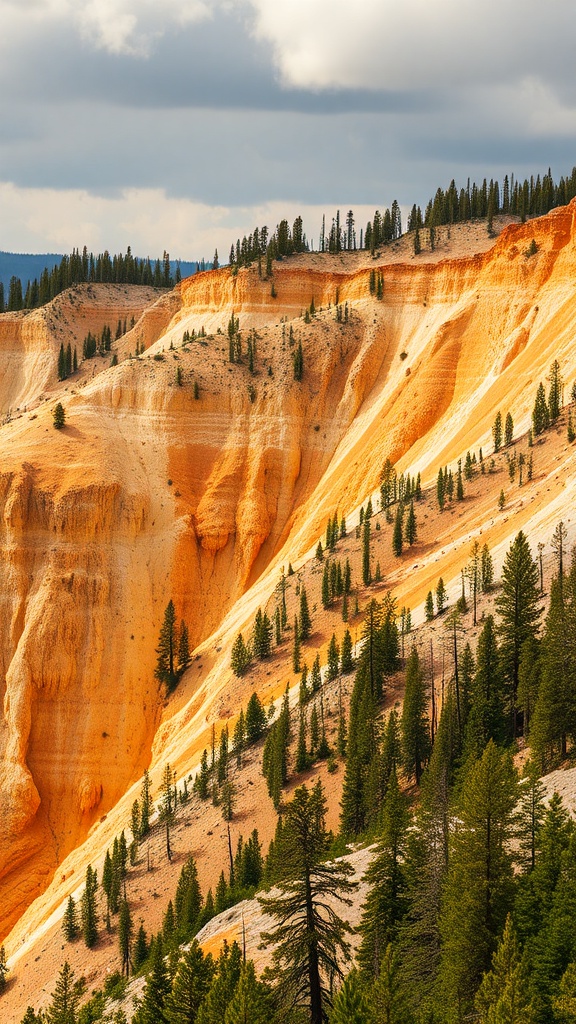
Consider quieter attractions away from the most photographed spots to enjoy more solitude.
– Use a telephoto lens for animal photography. Getting closer endangers you and the animal.
– Check visitor center postings for trail conditions and closures.
Weather and geothermal activity can change access quickly.
– Store food and scented items in bear-proof lockers where provided. Practice Leave No Trace: pack out what you pack in.
Protecting Yellowstone’s future
Yellowstone’s features and wildlife are fragile. Thermophilic microbes that create spring colors are easily damaged by someone tossing a coin or stepping into a pool.
Human food alters animal behavior and survival. Conservation-minded visitors support ongoing protection by following rules, reporting hazards or injured animals to park staff, and supporting education and research efforts.
Yellowstone is a compelling classroom for geology, ecology, and wildlife behavior. A well-prepared visit—focused on safety, respect, and stewardship—ensures these wonders remain vibrant and accessible for the next generation of visitors.