The Flourishing Legacy of Navajo Art
Navajo art holds a prominent place in the rich tapestry of indigenous arts, renowned for its intricate designs, vibrant colors, and deeply ingrained cultural symbolism.
Today, Navajo artistry continues to flourish, pushing boundaries while honoring its historical roots, enthralling collectors and art enthusiasts around the world.
Originally, Navajo art was primarily functional, with items such as pottery, woven clothing, and blankets serving dual roles as utilitarian objects and artistic expressions. The Navajo people have long been recognized as skilled weavers, creating intricate textiles that are considered some of the finest examples of Native American art. Today, these vibrant textiles remain a cornerstone of Navajo art, showcasing complex geometric patterns and a wide color palette influenced by the natural landscape.
Navajo pottery also stands as a testament to the tribe’s artistic prowess. Unlike their textiles, Navajo pottery tends to be monochromatic, favoring muted earth tones that reflect the surrounding desert landscape. The bold, asymmetric designs seen on these pots often tell a story or represent a spiritual belief, embodying the tribe’s deeply-rooted cultural traditions.
Jewelry has also been a significant aspect of Navajo art.
Silverwork entered the Navajo arts scene in the mid-19th century, and the tribe quickly became known for their exquisite silver and turquoise jewelry.
Today, Navajo silversmiths continue to create stunning pieces that blend traditional techniques with contemporary design elements.
In addition to these traditional forms, Navajo art has expanded to include innovative mediums such as painting, photography, and sculpture. Contemporary Navajo artists are pushing boundaries and challenging stereotypes, creating works that explore themes of identity, history, and modern-day existence.
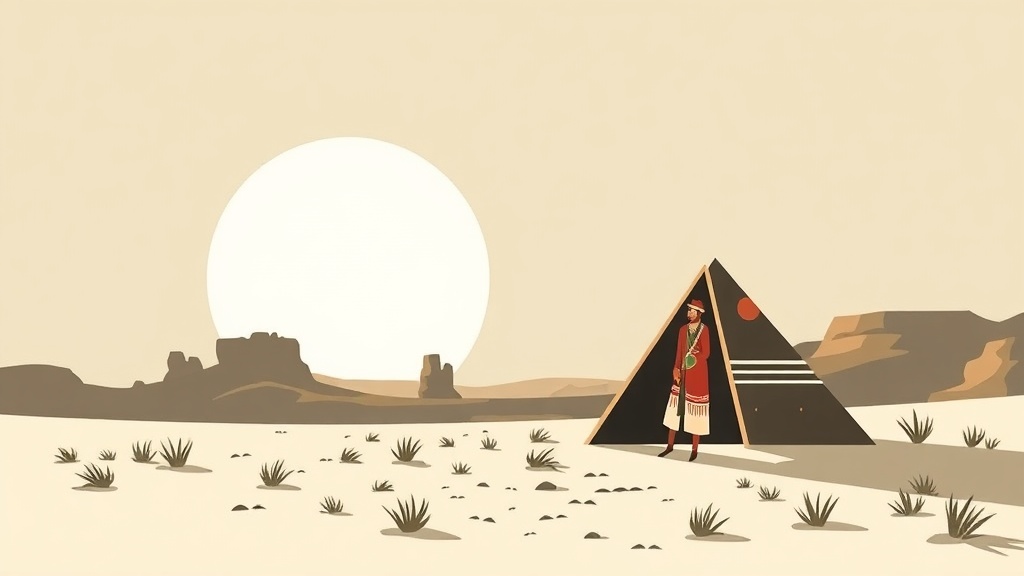
Today, Navajo art is not just about preserving tradition.
It’s also about pushing boundaries and telling new stories. Many contemporary Navajo artists incorporate modern techniques and materials into their work, bridging the gap between past and present.
This dynamic blend of old and new ensures that Navajo art remains relevant and engaging, drawing in new audiences while maintaining a strong connection to its roots.
Moreover, the Navajo art scene is also experiencing a surge in female representation. More and more female artists are making their mark, challenging gender norms, and bringing fresh perspectives to the forefront. These artists, like all Navajo artists, are essential in preserving and advancing the tribe’s artistic legacy.
Navajo art is an influential part of the broader Native American art scene and continues to draw interest from collectors, scholars, and art enthusiasts worldwide.
Each piece is not only an expression of individual creativity and skill but also a window into the rich cultural heritage of the Navajo people.
With every weave, brushstroke, and chisel, Navajo artists continue to shape their narrative, crafting pieces that reflect their history, culture, and evolving identity. The enduring appeal of Navajo art is a testament to its ability to adapt, innovate, and remain culturally significant. As such, Navajo art is more than just a visual delight; it is a bridge connecting the past with the present, tradition with innovation, and the Navajo people with the rest of the world.
Whether you’re an avid art collector or a casual observer, Navajo art is sure to captivate with its depth, diversity, and timeless beauty.