Unbeknownst to many, the heart of Yellowstone is not just a picturesque retreat but a hotbed of geothermal activity and rich biodiversity. Spanning an impressive area across Wyoming, Montana, and Idaho, Yellowstone is widely recognized as the world’s first national park. However, the true allure of this haven lies in its collection of geothermal wonders and diverse wildlife.
With a geothermal plateau comprising over 10,000 geothermal features, Yellowstone boasts an astounding array of hot springs, mudpots, fumaroles, and geysers. This geothermal marvel is fueled by the ongoing volcanic activity beneath the park’s surface. The park’s geothermal features are categorized into five classes, each with its unique characteristics and behavior.
Among these, the Old Faithful Geyser remains a crowd favorite, with eruptions shooting up to 180 feet high and offering a captivating spectacle for visitors.
Another intriguing geothermal site within Yellowstone is the Grand Prismatic Spring. This is the largest hot spring in the United States and is renowned for its vivid coloration. The brilliant hues of red, orange, yellow, and blue that encircle the spring arise from different types of thermophilic bacteria thriving at varying temperatures.
Yellowstone’s geothermal wonders are not the only attractions within the park. The area is also an unparalleled sanctuary for wildlife, boasting one of the most intact ecosystems in the world.
Yellowstone is home to 67 species of mammals, including the iconic gray wolf, reintroduced into the park in the 1990s after an absence of nearly seven decades. Today, these wolves play a pivotal role in maintaining the park’s ecological balance by controlling the population of hoofed animals.
Equally impressive is the park’s grizzly bear population, one of the largest in the lower 48 states. These majestic creatures are considered a symbol of Yellowstone’s wilderness. Spotting a grizzly in its natural habitat is a truly awe-inspiring experience for many visitors.
The park is also a bird lover’s paradise, hosting over 300 species of birds. From the striking Bald Eagle to the petite Mountain Bluebird, Yellowstone’s skies and woodlands provide ample opportunity for birdwatching.
In addition, the park’s lush valleys, dense forests, and towering mountain ranges serve as a perfect backdrop for a myriad of outdoor activities.
Hiking, camping, wildlife watching, and fishing are just a few of the popular pursuits that draw visitors to Yellowstone year-round.
Moreover, Yellowstone’s significance extends beyond its natural features. The park’s history is deeply intertwined with that of Native Americans who have called the region home for over 11,000 years.
Their stories, traditions, and cultural heritage add another layer of depth to the Yellowstone experience.
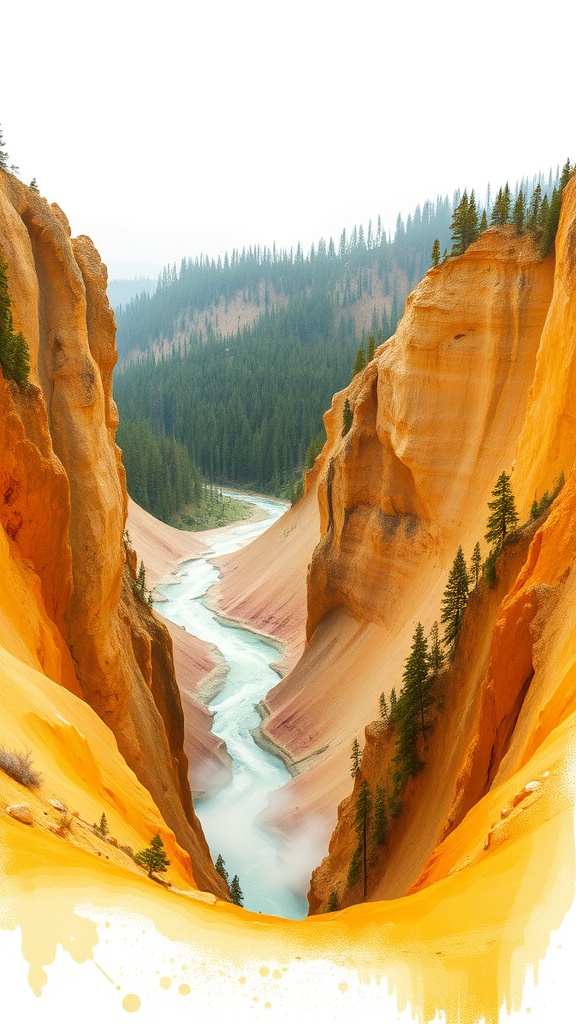
Today, Yellowstone serves as a testament to the enduring power of nature and the importance of conservation. Whether it’s the mesmerizing geothermal wonders, the rich wildlife, or the stunning landscapes, Yellowstone offers a unique blend of experiences that continue to captivate the hearts of visitors from around the globe.
It’s a cherished symbol of America’s natural beauty and a reminder of our responsibilities to protect and preserve these treasures for generations to come.