Yellowstone, the crown jewel of America’s National Parks, is a mesmerizing testament to nature’s power and beauty. As home to one of the world’s largest active volcanic systems, Yellowstone National Park continually captivates millions with its stunning geothermal features, diverse wildlife, and vast landscapes.
The geothermal wonders of Yellowstone are a testament to the Earth’s dynamic interior. Currently, the park houses more than 10,000 geothermal features, including geysers, hot springs, mud pots, and fumaroles.
Encapsulating the raw power of nature, the Old Faithful Geyser is one of the park’s most iconic attractions. This natural phenomenon erupts every 60 to 110 minutes, shooting a spectacular display of steaming water up to 140 feet into the air.
Yellowstone’s geothermal activity also creates an environment for rare and fascinating life forms known as thermophiles. These heat-loving microorganisms thrive in the park’s hot springs, coloring the waters with hues of bright orange, green, and brilliant blue. The Grand Prismatic Spring, the park’s largest hot spring, particularly showcases this vibrant microbial life, creating a stunning, rainbow effect visible from the boardwalk.
The park is not only a hotspot for geothermal activity but also a refuge for wildlife. Yellowstone currently boasts one of the largest and most diverse megafauna ecosystems in the U.S. It’s home to North America’s largest bison herd, which freely roams the park’s expansive grasslands. Visitors are also often thrilled by sightings of the park’s charismatic predators, such as grizzly bears and wolves.
Yellowstone’s Lamar Valley, often referred to as the ‘Serengeti of North America,’ is a wildlife watcher’s paradise. A visit at dawn or dusk provides the best chances of witnessing the park’s illustrious inhabitants in their natural habitat. From the elusive mountain lion to the majestic elk, the park supports a complex and interwoven community of animals and plants.
Recently, Yellowstone’s wolf restoration project has received widespread attention for its success and transformative impact on the park’s ecosystem.
The reintroduction of wolves in the mid-’90s has contributed to greater ecological balance, demonstrating the importance of predators in maintaining biodiversity.
The park’s sheer size and varied landscapes also provide ample opportunities for outdoor recreation. Hiking trails lead to thundering waterfalls, serene forests, and spectacular viewpoints. For adventurous spirits, the park offers backcountry camping, horseback riding, and fishing.
However, the mesmerizing allure of Yellowstone comes with a responsibility.
As stewards of this remarkable place, visitors are urged to respect wildlife, preserve natural resources, and reduce their footprint. This effort to conserve and protect Yellowstone ensures that future generations will also have the opportunity to marvel at its natural wonders.
In essence, Yellowstone National Park is more than just a destination. It’s a dynamic, living testament to the wild’s enduring spirit and the intricate delicacy of our natural world.
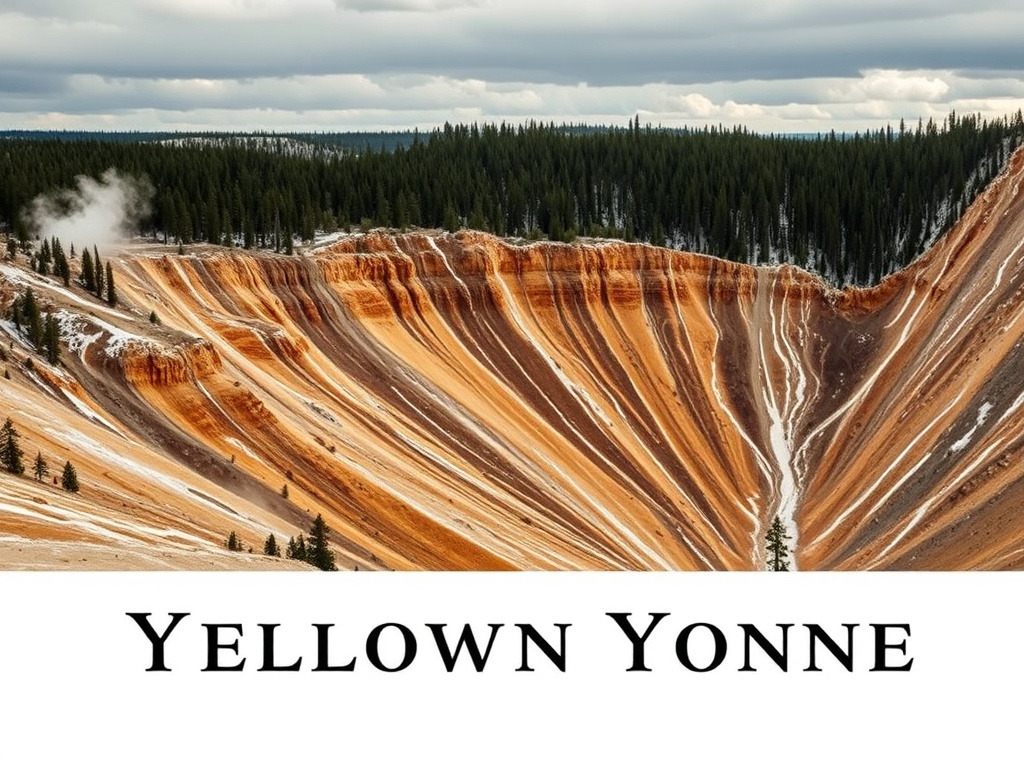
The park’s geothermal wonders, diverse wildlife, and breathtaking landscapes all combine to create an environment like no other, inviting us all to explore, learn, and be inspired.